Ultimate Gorilla Trekking in Uganda Guide (2026): Permits, Cost, Best Time & Tips
What is Gorilla Trekking?
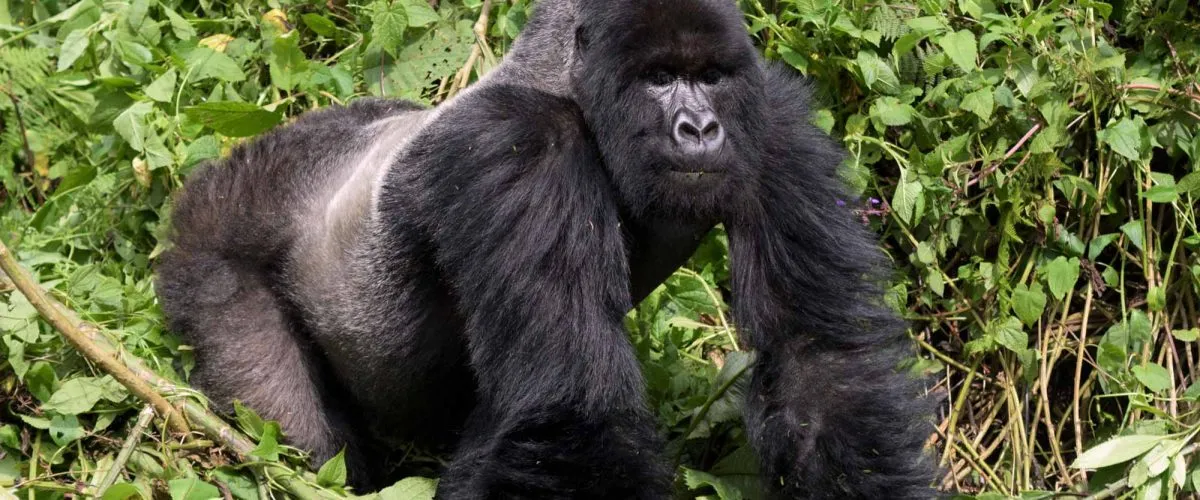
Gorilla trekking in Uganda is one of the most remarkable wildlife experiences in Africa. It involves hiking through the ancient rainforests of southwestern Uganda in search of a habituated family of endangered mountain gorillas. Guided by experienced rangers from the Uganda Wildlife Authority, visitors follow fresh signs left by the gorillas, including footprints, broken vegetation, nests, and feeding trails, until they locate the family. Once found, visitors are allowed to spend one unforgettable hour observing these magnificent primates in their natural habitat.
Unlike visiting animals in a zoo, gorilla trekking in Uganda takes place in untouched wilderness where mountain gorillas live freely. Every trek is different because the gorillas move through the forest every day in search of fresh vegetation, making each encounter unique. Some treks may last less than an hour, while others can take several hours depending on where the gorilla family has traveled. This sense of adventure is one of the reasons why gorilla trekking in Uganda has become one of the most sought-after wildlife experiences in the world.
Mountain gorillas are among humanity’s closest living relatives, sharing approximately 98 percent of their DNA with humans. During a gorilla trekking experience, visitors often witness behaviors that feel surprisingly familiar. You may see mothers caring for their infants, playful juveniles chasing each other through the forest, dominant silverbacks protecting their families, or young gorillas curiously observing visitors from a safe distance. These intimate moments create lasting memories and give travelers a deeper appreciation for wildlife conservation.
Today, gorilla trekking in Uganda is conducted in two protected national parks: Bwindi Impenetrable National Park and Mgahinga Gorilla National Park. Together, these parks protect a significant portion of the world’s remaining mountain gorilla population. Carefully managed tourism has become one of the most successful conservation models in Africa, generating funds that support gorilla protection, scientific research, ranger patrols, habitat preservation, veterinary care, and community development projects that benefit the people living around the parks.
The History of Gorilla Trekking in Uganda
The story of gorilla trekking in Uganda is closely linked to the conservation of one of the world’s rarest primates. For many years, mountain gorillas faced serious threats from habitat destruction, poaching, civil unrest, and human population growth around their forest homes. During the twentieth century, conservationists feared that mountain gorillas might disappear forever if urgent action was not taken.
Uganda responded by strengthening the protection of its forests and wildlife. Bwindi Impenetrable Forest was officially designated as a national park in 1991, followed by increased conservation efforts in Mgahinga Gorilla National Park. Researchers, conservation organizations, veterinarians, local communities, and the Uganda Wildlife Authority worked together to protect the remaining gorilla populations while developing a sustainable tourism model that would benefit both wildlife and nearby communities.
One of the most important developments was the habituation of selected gorilla families. Habituation is a gradual process that allows wild mountain gorillas to become comfortable with the presence of humans without changing their natural behavior. This process often takes two to three years and involves experienced researchers and rangers spending limited time with the gorillas each day. Only after a family is fully habituated can it be opened for gorilla trekking in Uganda.
Since organized gorilla trekking began, tourism revenue has played a major role in protecting mountain gorillas. Permit fees help finance anti-poaching operations, ranger training, veterinary interventions, scientific monitoring, infrastructure improvements, and community conservation programs. As a result, mountain gorilla populations have steadily increased, making them one of the few great ape species whose numbers are growing rather than declining.
Why Gorilla Trekking is Unique
Many wildlife safaris offer opportunities to observe animals from a vehicle, but gorilla trekking in Uganda provides an entirely different experience. Instead of waiting for wildlife to approach, visitors become part of the adventure by walking through dense rainforest, crossing streams, climbing hills, and following experienced trackers into the heart of the forest.
Every gorilla trek is unique because no two days are the same. The gorillas choose where they feed, rest, and travel, meaning each trekking route changes daily. Visitors never know exactly how long the trek will take or what wildlife they might encounter along the way. Besides mountain gorillas, trekkers may also see black-and-white colobus monkeys, L’Hoest’s monkeys, blue monkeys, forest elephants, giant forest hogs, colorful butterflies, and hundreds of bird species that inhabit Uganda’s ancient rainforests.
The one-hour encounter with a gorilla family is carefully controlled to minimize disturbance while allowing visitors to appreciate these incredible animals. Watching a massive silverback calmly observe his surroundings, seeing mothers gently care for their babies, or witnessing playful young gorillas swinging through the vegetation creates an emotional connection that photographs alone cannot capture.
Gorilla Trekking vs Gorilla Habituation
Both experiences allow you to meet mountain gorillas in Uganda, but they differ in viewing time, group size, permit cost and the type of encounter offered.
Which experience should you choose?
Standard gorilla trekking is suitable for travelers who want an affordable and unforgettable first encounter. Gorilla habituation is better for visitors who want a smallegroup, more observation time and a deeper understanding of gorilla behavior. Permit rates and availability should always be confirmed before booking.
How Long Does Gorilla Trekking Take?
One of the most common questions about gorilla trekking in Uganda is how long the activity lasts. The answer varies because mountain gorillas roam freely through the forest.
The morning begins with registration and a briefing at the park headquarters, usually around 7:30 a.m. Visitors are assigned to a specific gorilla family before setting off with experienced guides and armed rangers. The trek itself can take anywhere from thirty minutes to eight hours depending on the location of the gorillas, the terrain, and the pace of the group.
Once the gorilla family is located, visitors are allowed exactly one hour in their presence. This time limit helps reduce stress on the gorillas while giving everyone an opportunity to observe and photograph them. After the hour ends, the group begins the return hike to the park headquarters, where participants receive a gorilla trekking certificate to commemorate their experience.
Although the encounter with the gorillas lasts only one hour, the complete gorilla trekking experience usually occupies most of the day.
Who Can Participate in Gorilla Trekking?
Gorilla trekking in Uganda is suitable for travelers of different ages and fitness levels, provided they meet the minimum age requirement of fifteen years. While the hike can be physically demanding in some areas, experienced guides adjust the pace to suit the group, and visitors can hire local porters to carry backpacks and provide assistance on steep or muddy trails.
Luxury travelers, solo adventurers, honeymoon couples, families with older teenagers, photographers, wildlife enthusiasts, birdwatchers, and first-time safari visitors all enjoy gorilla trekking because it offers an unforgettable opportunity to observe one of the world’s most endangered animals in its natural environment.
Even visitors who are not regular hikers often complete the trek successfully with proper preparation, suitable footwear, and the support of professional guides and porters.
Who Should Not Participate?
Although gorilla trekking in Uganda is accessible to many travelers, there are situations where participation is not recommended. Anyone showing symptoms of contagious illnesses such as influenza, the common cold, COVID-19, or other respiratory infections may not be allowed to trek because mountain gorillas are highly susceptible to human diseases. Protecting the health of these endangered primates is one of the highest priorities of the Uganda Wildlife Authority.
Children under the age of fifteen are not permitted to participate, regardless of their fitness level. Travelers with severe mobility limitations or serious medical conditions should consult both their doctor and their tour operator before booking, as the terrain can be steep, uneven, and physically demanding. However, special arrangements such as sedan chairs can sometimes be organized for visitors with limited mobility, allowing more people to enjoy this extraordinary experience.
Why Gorilla Trekking in Uganda is a Once-in-a-Lifetime Experience
Few wildlife encounters compare to standing just a few meters away from a family of wild mountain gorillas in their natural rainforest home. Gorilla trekking in Uganda is much more than simply seeing w nowildlife; it is a journey into one of Africa’s oldest forests, an opportunity to witness extraordinary animal behavior, and a chance to contribute directly to the conservation of one of the planet’s most endangered species. Every permit purchased helps protect mountain gorillas and supports the communities that share their environment, ensuring that future generations will continue to experience the magic of gorilla trekking in Uganda for years to come.
Why Choose Gorilla Trekking in Uganda?
Gorilla trekking in Uganda is widely regarded as one of the greatest wildlife experiences on Earth. Every year, thousands of travelers journey to the country’s ancient rainforests to encounter endangered mountain gorillas in their natural habitat. While several destinations offer opportunities to see mountain gorillas, Uganda stands out for its remarkable combination of biodiversity, affordable permits, exceptional trekking experiences, and the chance to combine gorilla trekking with a classic African safari.
Whether you are visiting Uganda for the first time or returning for another adventure, gorilla trekking in Uganda offers an experience that is both thrilling and deeply meaningful. From the mist-covered forests of Bwindi Impenetrable National Park to the volcanic slopes of Mgahinga Gorilla National Park, every trek brings visitors face-to-face with one of humanity’s closest relatives while supporting one of Africa’s greatest conservation success stories.
Uganda is Home to Nearly Half of the World’s Mountain Gorillas
One of the biggest reasons to choose gorilla trekking in Uganda is the country’s extraordinary mountain gorilla population. Uganda protects nearly half of the world’s remaining mountain gorillas, making it the best destination for anyone hoping to experience these incredible primates in the wild.
The majority of Uganda’s mountain gorillas live in Bwindi Impenetrable National Park, a UNESCO World Heritage Site known for its dense rainforest, rugged hills, and exceptional biodiversity. Another population lives in Mgahinga Gorilla National Park, which forms part of the larger Virunga Conservation Area shared with Rwanda and the Democratic Republic of the Congo.
Because Uganda has such a large population of mountain gorillas, visitors enjoy more trekking opportunities, more habituated gorilla families, and greater permit availability than many other destinations.
More Habituated Gorilla Families Than Anywhere Else
Uganda offers the largest number of habituated mountain gorilla families available for tourism. A habituated gorilla family has gradually become accustomed to the presence of humans through a carefully managed conservation process that can take several years.
With dozens of habituated gorilla families spread across different trekking sectors, Uganda provides visitors with more choices than any other mountain gorilla destination. This larger number of families also helps distribute visitors throughout the forest, creating a more exclusive and less crowded experience while increasing the chances of securing permits, especially during peak travel seasons.
Every gorilla family has its own unique personalities, group dynamics, history, and dominant silverback, making each gorilla trekking experience in Uganda completely different.
Two Incredible National Parks for Gorilla Trekking
Unlike many destinations, Uganda offers two outstanding national parks where visitors can enjoy gorilla trekking.
Bwindi Impenetrable National Park is famous for its ancient rainforest, dramatic landscapes, remarkable biodiversity, and numerous gorilla families. The park is divided into four trekking sectors—Buhoma, Ruhija, Rushaga, and Nkuringo—each offering distinct scenery, trekking conditions, accommodation options, and gorilla families.
Mgahinga Gorilla National Park provides a completely different experience. Located within the spectacular Virunga Volcanoes, the park offers breathtaking volcanic scenery, bamboo forests, and the opportunity to combine gorilla trekking with golden monkey trekking and volcano hiking. Its quieter atmosphere appeals to travelers seeking a more intimate adventure.
Having two national parks gives visitors greater flexibility when planning gorilla trekking in Uganda and increases the availability of trekking permits throughout the year.
Affordable Gorilla Trekking Permits
Uganda offers excellent value for travelers seeking an unforgettable mountain gorilla experience. Gorilla trekking permits are generally more affordable than permits in some neighboring destinations, making Uganda one of the most popular choices for travelers who want an exceptional wildlife encounter while maximizing the value of their safari budget.
The lower permit cost does not mean compromising on quality. Visitors receive the same professionally guided trekking experience, spend one unforgettable hour with a habituated mountain gorilla family, and directly contribute to conservation efforts that protect these endangered primates and their rainforest habitat.
This affordability also allows many travelers to extend their safari by adding chimpanzee trekking, wildlife game drives, cultural experiences, or visits to other national parks across Uganda.
A Perfect Combination of Primates and Wildlife Safaris
One of Uganda’s greatest advantages is that gorilla trekking can easily be combined with classic African wildlife safaris. While many travelers visit specifically for mountain gorillas, they quickly discover that Uganda offers far more than a single wildlife experience.
Within one itinerary, visitors can enjoy gorilla trekking in Bwindi, chimpanzee trekking in Kibale National Park, game drives in Queen Elizabeth National Park, boat safaris on the Kazinga Channel, rhino tracking at Ziwa Rhino Sanctuary, and unforgettable wildlife encounters in Murchison Falls National Park or Kidepo Valley National Park.
Few countries in Africa offer such incredible diversity within relatively short travel distances, making Uganda one of the continent’s most rewarding safari destinations.
Exceptional Biodiversity Beyond Mountain Gorillas
Gorilla trekking in Uganda takes place within ecosystems that are among the most biologically diverse in Africa. Bwindi Impenetrable National Park alone protects thousands of plant species, hundreds of bird species, numerous butterfly species, and many mammals that thrive within its ancient rainforest.
While trekking through the forest, visitors may encounter black-and-white colobus monkeys, blue monkeys, L’Hoest’s monkeys, red-tailed monkeys, giant forest hogs, bush pigs, duikers, forest elephants, colorful butterflies, reptiles, and countless bird species. Every trek offers surprises, making the journey through the forest almost as rewarding as the gorilla encounter itself.
For nature lovers, photographers, birdwatchers, and wildlife enthusiasts, Uganda provides one of the richest ecosystems anywhere in Africa.
Diverse Accommodation for Every Budget
Another reason why travelers choose gorilla trekking in Uganda is the remarkable range of accommodation available near the trekking sectors. Whether you are seeking luxury, comfort, or affordability, there are excellent options located close to the park headquarters.
Luxury travelers can enjoy elegant forest lodges with panoramic views, private cottages, gourmet dining, spa facilities, and personalized service. Mid-range lodges offer spacious rooms, excellent hospitality, and comfortable amenities, while budget accommodations provide clean, welcoming facilities for travelers looking to maximize their adventure without exceeding their budget.
Many lodges are built within or beside the rainforest, allowing guests to wake up to birdsong, mist-covered hills, and occasionally even visits from mountain gorillas wandering near the property.
Incredible Photography Opportunities
Uganda is one of the finest destinations in the world for wildlife photography. The lush rainforest, soft natural lighting, dramatic mountain scenery, and intimate gorilla encounters create extraordinary opportunities for photographers of every skill level.
Every gorilla family presents unique photographic moments. Visitors may capture playful juveniles climbing vines, mothers nurturing their infants, dominant silverbacks displaying their immense strength, or peaceful family interactions deep within the forest. Beyond the gorillas, Uganda’s landscapes, birds, waterfalls, volcanoes, lakes, and traditional communities provide endless opportunities for unforgettable photography.
Whether using a professional camera or a smartphone, travelers leave with images that tell an extraordinary story.
Expert Guides and Professional Rangers
Every gorilla trekking experience in Uganda is led by highly trained guides, experienced trackers, and armed Uganda Wildlife Authority rangers. Their knowledge of mountain gorilla behavior, forest ecology, wildlife safety, and conservation greatly enhances the trekking experience.
Before each trek, visitors receive a comprehensive briefing covering safety procedures, gorilla behavior, trekking etiquette, and conservation guidelines. During the hike, guides interpret animal tracks, identify forest plants, explain bird calls, and share fascinating stories about the gorilla families, transforming the trek into an educational journey as well as an exciting adventure.
Their professionalism ensures that every visitor enjoys a safe, informative, and memorable experience while minimizing disturbance to the gorillas.
Gorilla Trekking Directly Supports Conservation
Choosing gorilla trekking in Uganda means becoming part of one of Africa’s greatest conservation achievements. Every gorilla trekking permit contributes directly to protecting mountain gorillas and preserving their fragile rainforest habitat.
Tourism revenue helps finance anti-poaching patrols, ranger salaries, veterinary care, scientific research, habitat restoration, community education programs, infrastructure improvements, and conservation initiatives that benefit both wildlife and local communities. Revenue-sharing programs also support nearby villages by funding schools, health centers, water projects, and community development initiatives, creating a strong incentive for people to protect rather than exploit the forests.
This sustainable tourism model has played a major role in the steady recovery of mountain gorilla populations, demonstrating that responsible tourism can make a lasting difference.
Rich Cultural Experiences
A gorilla trekking safari in Uganda is not limited to wildlife. The communities surrounding Bwindi and Mgahinga offer authentic cultural experiences that allow visitors to connect with local traditions and daily life.
Travelers can meet the Batwa people, the original forest inhabitants, and learn about their traditional survival skills, music, storytelling, hunting techniques, and deep spiritual connection to the rainforest. Visitors may also explore Bakiga communities, coffee farms, banana plantations, craft markets, local schools, and cultural performances that provide meaningful insight into life in southwestern Uganda.
These experiences enrich any gorilla trekking itinerary while ensuring that tourism benefits the people who help protect Uganda’s natural heritage.
Easy to Combine with Rwanda
Another major advantage of gorilla trekking in Uganda is its accessibility from Kigali, Rwanda. Many visitors choose to fly into Kigali International Airport before driving approximately four to five hours to the southern sectors of Bwindi Impenetrable National Park or Mgahinga Gorilla National Park.
This route is often shorter than traveling from Entebbe to southwestern Uganda, allowing travelers with limited time to experience gorilla trekking while enjoying the convenience of international flight connections through Kigali.
The flexibility to arrive through either Uganda or Rwanda makes planning a gorilla trekking safari even more convenient.
A Truly Once-in-a-Lifetime Adventure
There are many reasons why travelers choose gorilla trekking in Uganda, but perhaps the greatest is the emotional impact of standing quietly in a rainforest while observing a family of wild mountain gorillas only a few meters away. Few wildlife experiences create such a profound connection between humans and nature.
From breathtaking rainforest scenery and world-class conservation to welcoming communities, diverse safari experiences, and unforgettable wildlife encounters, gorilla trekking in Uganda offers far more than a single activity. It is a journey into one of Africa’s last great wildernesses and an experience that leaves visitors with memories that last a lifetime.
Uganda Gorilla Trekking Locations Map
Gorilla trekking in Uganda takes place in two protected areas in the southwestern corner of the country: Bwindi Impenetrable National Park and Mgahinga Gorilla National Park. Bwindi is the larger and more frequently visited destination, while Mgahinga provides a smaller and quieter alternative within the Virunga Mountains.

Bwindi Impenetrable National Park
Bwindi Impenetrable National Park lies in southwestern Uganda near the borders with Rwanda and the Democratic Republic of Congo. The park is divided into four main gorilla trekking sectors: Buhoma, Ruhija, Rushaga and Nkuringo. Your gorilla permit is issued for a particular sector, so your accommodation and transport must be arranged near the correct trekking location.
Buhoma is located on the northern side of Bwindi and is one of the park’s best-known trekking areas. It is commonly approached through Kanungu and Kihihi.
Ruhija lies on the eastern side of the forest and is commonly accessed through Kabale. It can also fit conveniently into itineraries connecting Bwindi with Queen Elizabeth National Park.
Rushaga is situated in southern Bwindi and is normally approached through Kisoro. It is an important trekking location for travelers arriving from Kigali or combining gorilla trekking with Lake Mutanda and Mgahinga.
Nkuringo lies in the rugged southwestern part of Bwindi. The area is known for dramatic forest and mountain scenery but requires careful transport planning because of its steep terrain and winding access roads.
Uganda Wildlife Authority advises using an appropriate four-wheel-drive vehicle for some southern approaches, particularly routes toward Nkuringo.
Mgahinga Gorilla National Park
Mgahinga Gorilla National Park is located in Kisoro District, close to Uganda’s borders with Rwanda and the Democratic Republic of Congo. The park covers approximately 33.7 square kilometres, making it Uganda’s smallest national park. Gorilla trekking activities begin around the Ntebeko Visitor Centre, which is reached from Kisoro town.
Mgahinga forms part of the wider Virunga conservation landscape and is distinguished by bamboo forests and the volcanic peaks of Mount Muhabura, Mount Gahinga and Mount Sabyinyo. It offers an attractive option for visitors who want to combine gorilla trekking with golden monkey tracking, volcano hiking or a stay around Kisoro and Lake Mutanda.
Main Gateway Towns
Kabale is an important gateway for reaching Ruhija and parts of southern Bwindi. It is also close to Lake Bunyonyi, making it convenient for travelers who want to relax beside the lake before or after their gorilla trek.
Kisoro is the principal gateway to Mgahinga, Rushaga and Nkuringo. It is especially convenient for visitors entering Uganda through the Cyanika border or arriving by domestic flight at Kisoro Airstrip.
Kihihi provides access to Buhoma and northern Bwindi. Travelers can fly from Entebbe to Kihihi Airstrip and continue to their lodge by road.
Getting There From Entebbe and Kampala
Most road journeys to Uganda’s gorilla trekking parks begin in Entebbe or Kampala and travel through central and western Uganda toward Kabale, Kisoro or Kanungu. Because the parks are far from the capital and the final sections may involve mountainous roads, travelers should normally allow a full day for the road journey.
Domestic flights provide a faster alternative. Flights to Kihihi Airstrip are normally used for Buhoma and northern Bwindi, while flights to Kisoro Airstrip are more suitable for Mgahinga and the southern Bwindi sectors.
Reaching the Gorilla Parks From Kigali
Kigali is another convenient entry point for gorilla trekking in southwestern Uganda. Travelers can drive from Rwanda into Uganda through the Cyanika border near Kisoro or the Katuna border near Kabale. Cyanika is generally more convenient for Mgahinga, Rushaga and Nkuringo, while Katuna can be suitable for routes through Kabale toward Ruhija and other parts of Bwindi.
Kampala to Bwindi Routemap
Why Your Trekking Location Matters
The location printed on your permit determines where you must report for the morning briefing. Bwindi’s sectors are separated by mountainous roads, and travelling from the wrong lodge to the assigned briefing centre can take several hours. Visitors should therefore confirm their permit sector before booking accommodation.
When arranging a gorilla safari with Africa Gorilla Trips, we match your permit, lodge and transport route carefully. This avoids unnecessarily long early-morning transfers and helps ensure that you arrive at the correct briefing point on time.
Geography and Landscape
Bwindi is characterized by steep mountains, narrow valleys, fast-flowing rivers, waterfalls, dense rainforest, and thick vegetation that gives the park its famous name, “Impenetrable.”
Elevations range from approximately 1,160 meters to more than 2,600 meters above sea level, creating a variety of ecosystems that support an incredible diversity of wildlife.
The dramatic landscape means that every gorilla trekking experience is different. Some hikes involve gentle forest trails, while others require climbing steep hills, descending valleys, and navigating muddy paths, particularly during the rainy seasons.
Climate
Bwindi experiences a cool tropical rainforest climate throughout the year due to its high elevation.
Temperatures generally range between 7°C (45°F) and 28°C (82°F), although mornings and evenings are often much cooler than the daytime.
Rainfall can occur at almost any time of year, helping maintain the lush vegetation that supports mountain gorillas and thousands of other species. Visitors should always be prepared for changing weather conditions by carrying waterproof clothing regardless of the season.
Biodiversity
Bwindi Impenetrable National Park is one of the most biologically diverse forests in Africa.
The park protects more than 1,000 flowering plant species, hundreds of tree species, over 120 mammal species, approximately 350 bird species, more than 200 butterfly species, numerous reptiles, amphibians, and countless insects.
Besides mountain gorillas, visitors may encounter forest elephants, giant forest hogs, duikers, bush pigs, black-and-white colobus monkeys, blue monkeys, L’Hoest’s monkeys, red-tailed monkeys, chimpanzees on rare occasions, and many other fascinating forest inhabitants.
This remarkable biodiversity makes gorilla trekking in Uganda much more than simply searching for gorillas; every walk through the forest offers opportunities to discover something new.
Gorilla Trekking Sectors in Bwindi
To improve visitor management and conservation, Bwindi Impenetrable National Park is divided into four gorilla trekking sectors. Each sector has its own habituated gorilla families, accommodation options, landscapes, and trekking experiences.
Choosing the right sector is an important part of planning your gorilla trekking safari.
Buhoma Sector
Buhoma is the original gorilla trekking sector in Uganda and remains one of the park’s most popular regions.
Located in the northern part of Bwindi, Buhoma was the first area where organized gorilla trekking in Uganda began. It is home to several well-known habituated gorilla families and offers some of the park’s most established tourism infrastructure.
The trails in Buhoma vary from relatively gentle to moderately challenging, making the sector suitable for many visitors. In addition to gorilla trekking, travelers can enjoy forest walks, birdwatching, community visits, waterfall hikes, and cultural experiences with nearby communities.
Buhoma also offers a wide range of luxury, mid-range, and budget accommodations.
Why choose Buhoma?
- Historic birthplace of gorilla trekking in Uganda
- Excellent lodge selection
- Scenic rainforest
- Good road access
- Additional forest activities
Ruhija Sector
Located in the eastern part of Bwindi, Ruhija is famous for its breathtaking mountain scenery and excellent birdwatching opportunities.
Because of its higher elevation, Ruhija often experiences cool temperatures and spectacular morning mist that creates dramatic landscapes for photography.
The trekking routes vary considerably, with some requiring longer hikes through steep terrain. However, visitors are rewarded with magnificent views and a quieter atmosphere compared to some other sectors.
Bird enthusiasts particularly appreciate Ruhija because many Albertine Rift endemic bird species are regularly seen here.
Why choose Ruhija?
- Fewer crowds
- Outstanding birdwatching
- Beautiful mountain scenery
- Excellent photography
- Peaceful trekking experience
Rushaga Sector
Rushaga, located in southern Bwindi, is the largest gorilla trekking sector in Uganda and contains the highest number of habituated gorilla families.
Because so many gorilla families live here, Rushaga generally offers the greatest availability of trekking permits, making it one of the easiest sectors for securing bookings during peak travel seasons.
The area also hosts Uganda’s Gorilla Habituation Experience, allowing visitors to spend up to four hours with a semi-habituated gorilla family under the guidance of researchers and rangers.
Accommodation options in Rushaga range from budget lodges to luxurious safari properties overlooking the forest.
Why choose Rushaga?
- Largest number of gorilla families
- Better permit availability
- Gorilla Habituation Experience
- Wide range of accommodations
- Flexible trekking options
Nkuringo Sector
Nkuringo is known for its spectacular scenery and more adventurous trekking experiences.
Situated in the southwestern corner of Bwindi, this sector overlooks the Virunga Volcanoes and offers breathtaking panoramic views that are among the finest anywhere in Uganda.
The terrain is generally steeper than in many other sectors, making some treks more physically demanding. However, visitors who enjoy hiking often consider Nkuringo the most rewarding because of its dramatic landscapes and quieter environment.
Luxury eco-lodges in Nkuringo are particularly popular with honeymooners and photographers seeking stunning forest and mountain views.
Why choose Nkuringo?
- Incredible panoramic scenery
- Excellent photography
- Less crowded
- Luxury eco-lodges
- Adventure-focused trekking
Accommodation Around Bwindi
Every trekking sector offers accommodation suitable for different budgets and travel styles.
Visitors can choose from luxury forest lodges with private cottages and premium services, comfortable mid-range lodges with excellent hospitality, or affordable guesthouses and safari camps for budget-conscious travelers.
Many accommodations are located only a short drive from the morning briefing points, reducing travel time before the trek.
Accessibility
Bwindi can be reached by road from Kampala or Entebbe, a journey that typically takes between eight and ten hours depending on the trekking sector.
Many visitors also fly from Entebbe to nearby airstrips such as Kihihi or Kisoro before transferring by road to their lodge.
Another increasingly popular option is traveling from Kigali International Airport in Rwanda. Depending on the chosen sector, the drive usually takes between four and five hours, making it an excellent choice for travelers with limited time.
Mgahinga Gorilla National Park
Although smaller than Bwindi, Mgahinga Gorilla National Park offers one of the most scenic gorilla trekking experiences in Africa.
Covering approximately 33.7 square kilometers, the park forms Uganda’s portion of the spectacular Virunga Conservation Area, which extends into Rwanda and the Democratic Republic of the Congo.
The park is famous for its volcanic landscapes, bamboo forests, Afro-montane vegetation, and the opportunity to experience both gorilla trekking and golden monkey trekking within the same destination.
For travelers seeking a quieter and more intimate gorilla trekking experience, Mgahinga is an excellent choice.
History
Mgahinga Gorilla National Park was officially established in 1991 to protect the endangered mountain gorillas inhabiting the Virunga Mountains and to conserve one of East Africa’s most unique mountain ecosystems.
The park also preserves the cultural heritage of the Batwa people, who lived within these forests for centuries before the area became protected.
The Virunga Volcanoes
One of Mgahinga’s greatest attractions is its location within the Virunga Mountains.
The park includes three extinct volcanoes:
- Mount Muhabura
- Mount Gahinga
- Mount Sabyinyo
These towering volcanic peaks create some of the most spectacular scenery found anywhere during gorilla trekking in Uganda.
Landscape
Unlike Bwindi’s dense rainforest, Mgahinga combines bamboo forests, montane woodland, volcanic slopes, alpine vegetation, lava formations, and open mountain landscapes.
The scenery changes dramatically with elevation, providing visitors with constantly changing views throughout the trek.
Wildlife
Besides mountain gorillas, Mgahinga is home to golden monkeys, buffaloes, bushbucks, giant forest hogs, duikers, forest elephants on rare occasions, numerous bird species, reptiles, and many unique plant species adapted to high-altitude environments.
Golden monkey trekking is especially popular because few places in the world offer the opportunity to see both endangered mountain gorillas and endangered golden monkeys during the same safari.
Accommodation
Although Mgahinga offers fewer lodges than Bwindi, visitors can still choose from excellent luxury, mid-range, and budget accommodations located around Kisoro and the park entrance.
Many lodges provide magnificent views of the Virunga Volcanoes, creating an unforgettable setting before and after gorilla trekking.
Accessibility
Mgahinga is located near Kisoro town and is accessible by road from Kampala, Entebbe, or Kigali.
The relatively short drive from Kigali makes Mgahinga particularly attractive for travelers arriving in Rwanda.
Domestic flights from Entebbe to Kisoro Airstrip also reduce travel time significantly.
Bwindi vs Mgahinga: Which Park Should You Choose?
Both parks offer unforgettable mountain gorilla encounters, but they differ in size, scenery, gorilla families, accessibility and additional activities.
Which park should you choose?
Choose Bwindi if you want more gorilla family options, several trekking sectors, a wider range of lodges and the possibility of joining the Gorilla Habituation Experience. Choose Mgahinga if you prefer a smaller, quieter park with dramatic volcanic scenery and the opportunity to combine gorilla trekking with golden monkey trekking or volcano hiking. Africa Gorilla Trips can help you choose the best park according to your travel route, fitness level, accommodation preference and permit availability.
Gorilla Families in Uganda
Mountain gorillas live in close and highly organized family groups rather than moving through the forest alone. Each gorilla family has its own history, social structure, dominant silverback, females, juveniles, infants, personalities, feeding territory, and daily movement patterns. Learning about the different gorilla families in Uganda helps travelers understand what makes every gorilla trekking experience unique.
Uganda has more habituated gorilla families available for tourism than any other mountain gorilla destination. These families are found in Bwindi Impenetrable National Park and Mgahinga Gorilla National Park. Bwindi’s habituated gorilla groups are distributed across the Buhoma, Ruhija, Rushaga, and Nkuringo trekking sectors, while Mgahinga’s best-known habituated group is the Nyakagezi gorilla family.
The Uganda Wildlife Authority currently states that 27 gorilla families have been habituated and can be visited by tourists in Uganda. However, the exact number, location, leadership, and composition of individual groups can change. Gorilla families may split, merge, gain new members, lose older individuals, or move into neighboring ranges as part of their natural social behavior.
Visitors do not normally select a particular gorilla family when purchasing a Uganda gorilla permit. Permits are issued for a trekking park or sector, while the specific family is generally allocated during the morning briefing. Rangers consider the location of the gorillas, the physical ability of visitors, the condition of the trails, and the composition of each trekking group before making the final allocation.
What Is a Gorilla Family?
A gorilla family is a social group of mountain gorillas that lives, feeds, rests, travels, and sleeps together. Most groups are led by one dominant adult male known as a silverback. Some families may contain more than one silverback, although one usually holds the highest position and makes the most important decisions.
A typical gorilla family may include a dominant silverback, subordinate silverbacks, younger adult males known as blackbacks, several adult females, juveniles, and infants. The number of members varies greatly. Some families remain relatively small, while others can grow into large groups containing more than 20 mountain gorillas.
The dominant silverback decides where the family will travel, where it will feed, when it will rest, and where it will build nests for the night. He also protects the group from threats, settles disagreements, maintains order, and defends females and young gorillas from rival males.
Adult females are responsible for raising infants and maintaining important relationships within the group. Juveniles spend much of their time playing, wrestling, climbing trees, imitating adults, and learning the skills they need to survive in the forest.
What Is a Habituated Gorilla Family?
A habituated gorilla family is a wild mountain gorilla group that has gradually become familiar with the controlled presence of humans. Habituation does not domesticate gorillas or remove their natural instincts. The gorillas remain completely wild and continue to choose where they move, feed, rest, and build their nests.
The habituation process is carried out by trained trackers, researchers, conservationists, and veterinary teams. These professionals visit the same family regularly and slowly allow the gorillas to recognize that their presence does not represent a threat.
The process can take several years because it must be done carefully and at the pace accepted by the gorillas. Researchers monitor the behavior of every member before determining whether a family is ready to receive tourists.
Once fully habituated, a gorilla family may be visited by one controlled group of travelers per day. Uganda Wildlife Authority regulations normally permit a maximum of eight visitors to trek a particular gorilla family, helping reduce disturbance and disease transmission.
How Gorilla Families Are Named
Gorilla families in Uganda are named in several different ways. Some are named after the dominant silverback, while others take their names from local places, rivers, hills, vegetation, historical events, or words in local languages.
The Mubare gorilla family, for example, was named after the Mubare Hills where trackers first found the group. Bitukura was named after a river in the Ruhija area, while the Nkuringo family was named after the local word associated with the rounded hills found in its territory.
A family may retain its original name even after its founding silverback dies or loses leadership. This allows conservationists to preserve the group’s identity and maintain a continuous record of its history.
Gorilla Family Leadership
Leadership is one of the most fascinating aspects of mountain gorilla society. The dominant silverback is usually the largest and most powerful adult male, but strength alone does not guarantee successful leadership.
A good silverback must protect the group, maintain relationships with females, tolerate playful juveniles, guide daily movements, recognize danger, and respond to challenges from rival males. Some silverbacks lead calmly, while others are more assertive and frequently display their strength.
Leadership may change when an older silverback dies, becomes weak, leaves the family, or is defeated by another male. In groups containing several silverbacks, a younger male may gradually take over without a violent confrontation. In other cases, leadership struggles can cause a family to split into separate groups.
These natural changes explain why the number and composition of Uganda gorilla families are never completely permanent.
Gorilla Families in the Buhoma Sector
Buhoma is located in the northern part of Bwindi Impenetrable National Park and is historically important because organized gorilla trekking in Uganda began here. It has some of the country’s oldest and most researched habituated gorilla families.
The best-known Buhoma gorilla families include Mubare, Habinyanja, Rushegura, Katwe, Muyambi, and newer groups that may be introduced for tourism as monitoring and habituation progress.
Mubare Gorilla Family
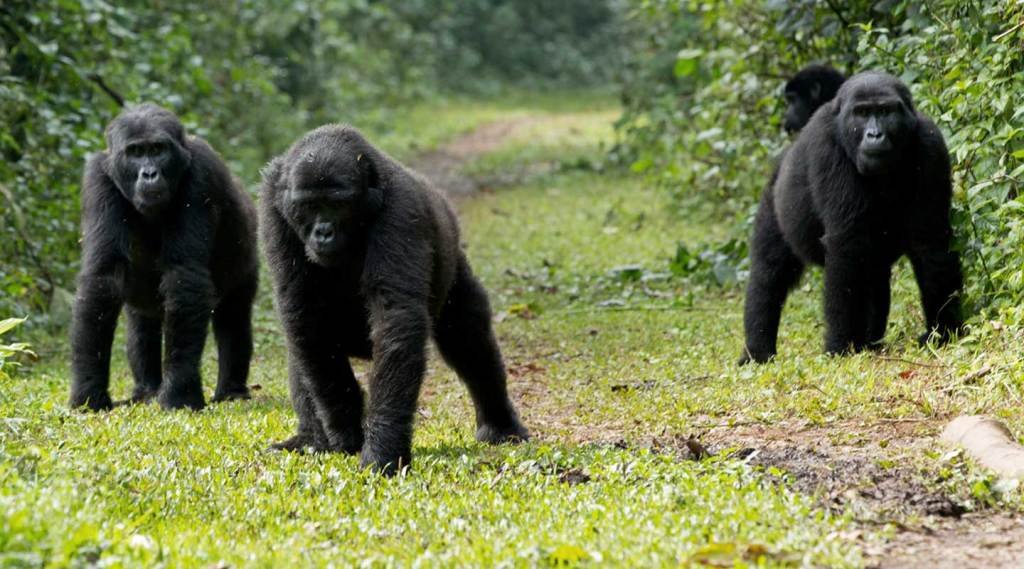
The Mubare gorilla family is one of the most historically important gorilla groups in Uganda. It was the first mountain gorilla family in Bwindi Impenetrable National Park to be habituated for tourism and began receiving visitors in the early 1990s.
The family was named after the Mubare Hills, where trackers initially located it. Because of its long tourism history, Mubare is often described as the group that helped establish gorilla trekking in Uganda as an internationally recognized wildlife experience.
Like many mountain gorilla families, Mubare has experienced significant changes over the years. It has lost members, gained new individuals, experienced leadership transitions, and recovered from periods when its population declined.
The location of the Mubare family can vary from day to day. It sometimes remains relatively close to the Buhoma park headquarters, but it can also move deeper into the forest. A trek to Mubare may therefore be short on one day and considerably longer on another.
Mubare is ideal for travelers interested in the history of Uganda gorilla trekking. However, no family can be guaranteed to provide an easier trek because mountain gorillas move freely throughout their habitat.
Habinyanja Gorilla Family
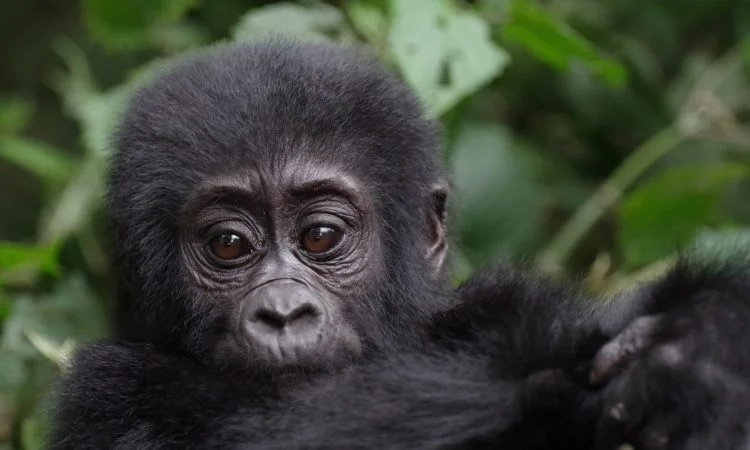
The Habinyanja gorilla family is another historic group found in the Buhoma sector. Its name comes from a local word connected to water, referring to the swampy area where the family was first observed.
Habinyanja has traditionally been known as a relatively large gorilla family with complex social relationships. Its history includes changes in leadership, competition among silverbacks, births, deaths, and the movement of individuals between groups.
One of the most important events in its history was a division that eventually contributed to the formation of the Rushegura gorilla family. Such divisions occur naturally when leadership disagreements arise or when one silverback separates with several females and younger members.
Habinyanja is frequently admired for the variety of interactions that can take place within a larger group. Visitors may observe feeding adults, active juveniles, protective mothers, curious infants, and the dominant silverback monitoring the family.
The group’s movements can sometimes result in longer treks through the Buhoma forest. Travelers assigned to Habinyanja should be prepared for changing terrain, although the experience of meeting this historic family makes the effort highly rewarding.
Rushegura Gorilla Family
The Rushegura gorilla family was formed after members separated from the Habinyanja group. It was named after a tree species commonly found within the family’s original range.
Rushegura is one of the most familiar gorilla families around Buhoma because its members have often moved through areas relatively close to the park boundary, lodges, community land, and the Uganda Wildlife Authority headquarters.
This does not mean that every Rushegura trek is easy. The group remains wild and may travel deeper into the forest whenever it chooses. However, its occasional presence near Buhoma has made it especially popular among visitors and lodge guests.
The Rushegura gorilla family is known for its relatively calm behavior around properly controlled trekking groups. Visitors may observe members feeding on forest vegetation, resting together, grooming, or allowing juveniles to play within the protection of the family.
Rushegura can be a rewarding family for first-time trekkers and photographers because active juveniles and infants may create memorable viewing opportunities. The quality of photography still depends on weather, vegetation, light, and the position chosen by the gorillas.
Katwe Gorilla Family
The Katwe gorilla family is one of the groups habituated to expand gorilla trekking opportunities in the Buhoma sector. Its habituation helped increase the number of permits available in this popular northern region of Bwindi.
Katwe is an important example of how Uganda carefully develops tourism without opening every wild gorilla family to visitors. Trackers and researchers spent a long period monitoring its members before the group was considered suitable for controlled tourism.
The family inhabits the dense forest around Buhoma and can move across steep ridges and lower valleys. The trekking experience depends entirely on where the trackers locate the family that morning.
Katwe is suitable for visitors who want to explore one of Buhoma’s newer tourism groups while experiencing a part of the forest that may differ from the routes used to reach older families such as Mubare or Habinyanja.
Muyambi Gorilla Family
The Muyambi gorilla family was formed through natural changes within the wider gorilla population around Buhoma. Its establishment as a recognizable group demonstrates how young silverbacks may leave their original families, attract females, and create independent social units.
Muyambi adds diversity to gorilla trekking in the Buhoma sector and helps distribute visitors across a wider section of the forest.
As with other groups, the number of members and identity of the leading silverback can change over time. Travelers should therefore treat published family sizes as temporary rather than permanent figures.
A visit to Muyambi offers the same carefully managed one-hour encounter as other fully habituated gorilla families. The group may be especially interesting to travelers who want to learn how new gorilla families form and develop.
Happy Gorilla Family
Happy is among the newer gorilla families reported as having been added to the groups available around the Buhoma sector. The addition of new habituated groups can increase permit availability and reduce pressure on longer-established families.
Because Happy is a newer tourism family, its composition, leadership, and regular movement patterns may not be as widely documented in older travel guides. Details should always be confirmed through the Uganda Wildlife Authority when permits are allocated.
The development of newer families such as Happy also shows that gorilla trekking in Uganda is a living conservation program rather than a fixed attraction. Families continue to form, change, separate, and expand while researchers update their records.
Gorilla Families in the Ruhija Sector
Ruhija is found in the eastern part of Bwindi Impenetrable National Park. It is one of the highest sections of the park and is known for cool temperatures, misty forest scenery, steep ridges, excellent birdwatching, and quieter trekking trails.
The established Ruhija gorilla families include Bitukura, Oruzogo, Kyaguriro, and Mukiza.
Bitukura Gorilla Family
The Bitukura gorilla family was named after the Bitukura River in the Ruhija sector. It is one of the best-known gorilla families in eastern Bwindi and has played an important role in expanding gorilla tourism beyond Buhoma.
The habituation of Bitukura progressed faster than is typical for many gorilla families. The group reportedly became comfortable with controlled tourist visits after approximately 15 months of habituation, although many groups require considerably longer.
Bitukura has historically attracted attention because several mature males have sometimes lived within the family. A group containing more than one silverback can display fascinating leadership relationships, cooperation, competition, and social tolerance.
Visitors trekking Bitukura may encounter steep sections because Ruhija lies at a relatively high elevation. The surrounding forest offers beautiful scenery and opportunities to identify birds, primates, plants, butterflies, and small forest animals during the search.
This family is particularly appealing to travelers interested in gorilla social structure, especially relationships among adult males.
Oruzogo Gorilla Family
The Oruzogo gorilla family is another well-established group in the Ruhija sector. It has gained a reputation for active juveniles and family interactions, although the behavior seen on any individual trek cannot be predicted.
Young gorillas are naturally playful and may wrestle, climb small trees, swing from vegetation, roll down slopes, or approach other members of the family. These moments can make an Oruzogo encounter especially enjoyable for wildlife photographers.
Oruzogo’s territory includes thick vegetation and varied elevations. Visitors may walk through bamboo, shrubs, mature forest, and open areas created by fallen trees.
The trek may be short or physically demanding depending on the group’s location. Trackers usually leave early to identify fresh nests, feeding signs, dung, broken vegetation, and footprints before guiding visitors toward the family.
Kyaguriro Gorilla Family
The Kyaguriro gorilla family has an important history in research and long-term monitoring. It was originally associated more closely with scientific study than conventional tourism, giving researchers valuable information about mountain gorilla ecology, social behavior, feeding, reproduction, and family development.
Changes within the original group contributed to the development of separate social units, illustrating how leadership transitions can reshape gorilla communities.
Kyaguriro is particularly interesting for travelers who appreciate the scientific side of mountain gorilla conservation. Its history helps explain how continuous monitoring allows experts to understand population health, relationships, births, deaths, ranging behavior, and responses to environmental change.
The family lives within Ruhija’s high-altitude landscape, where trekking can involve cool conditions, muddy trails, and steep forested slopes.
Mukiza Gorilla Family
The Mukiza gorilla family developed following social changes connected to the wider Kyaguriro group. It is named after a silverback that established leadership over part of the original family.
The formation of Mukiza demonstrates that gorilla family divisions are not necessarily conservation failures. They are often natural outcomes of maturity, competition, leadership succession, and the decisions of adult females.
Mukiza provides visitors with an opportunity to observe a group whose history is closely linked to the changing leadership structure of Ruhija’s gorillas.
Travelers assigned to Mukiza should prepare for Ruhija’s higher elevation and changing weather. Waterproof clothing, strong hiking boots, gardening gloves, sufficient drinking water, and a porter are highly recommended.
Gorilla Families in the Rushaga Sector
Rushaga is situated in the southern part of Bwindi Impenetrable National Park. It is known for having a high concentration of habituated gorilla families and generally offers some of the widest permit availability in Bwindi.
Rushaga is also associated with the Gorilla Habituation Experience, making it especially attractive to photographers, researchers, primate enthusiasts, and travelers who want more time around mountain gorillas.
Commonly recognized Rushaga gorilla families include Nshongi, Mishaya, Bweza, Kahungye, Busingye, Bikingi, Mucunguzi, Kutu, Rwigi, and other newer or developing groups whose tourism status may change.
Nshongi Gorilla Family
The Nshongi gorilla family was named after the Nshongi River, which flows through part of its home range. When first introduced for tourism, it was recognized as one of the largest habituated gorilla families in Uganda.
Over time, Nshongi experienced natural divisions that contributed to the development of other groups, including Mishaya and Bweza. These separations reduced the size of the original family but created new independent social units.
Nshongi’s history makes it one of the best families for understanding how gorilla groups grow, divide, and establish new leadership structures.
Its territory can include dense vegetation, river valleys, hills, and forest clearings. Visitors may need to walk through challenging terrain, especially after rain.
Mishaya Gorilla Family
The Mishaya gorilla family developed when the silverback Mishaya separated from the Nshongi group with several members and formed an independent family.
Mishaya became known as a strong and ambitious silverback who interacted with neighboring groups and sought to expand his family. His story illustrates how a determined male can leave his birth group and establish a new social unit.
Following leadership changes and the loss of important individuals, the family’s composition and tourism status changed. This is why travelers should not rely on old online lists when determining which Rushaga gorilla families are currently available.
Even when a familiar family name remains part of Uganda’s gorilla history, the present members may have joined other groups or reorganized under new leadership.
Bweza Gorilla Family
The Bweza gorilla family also developed from the larger Nshongi group. It became independent when Bweza and several other members separated and established their own range.
The group is often associated with the southern trekking trails around Rushaga. It has historically moved through forest areas near the park boundary, although its exact location changes constantly.
Bweza is a strong example of the way mountain gorilla families naturally reorganize. What begins as one large family can eventually become several healthy groups led by different silverbacks.
Visitors trekking Bweza may encounter rich vegetation and rolling terrain. The family’s members may be feeding on the ground, climbing low trees, resting in thick foliage, or moving slowly through the undergrowth.
Kahungye Gorilla Family
The Kahungye gorilla family was named after a hill in its home range. It became one of Rushaga’s important habituated groups and has experienced several leadership and membership changes.
A section of the Kahungye family eventually separated and developed into the Busingye group. This division added another gorilla trekking family to the Rushaga sector.
Kahungye is associated with hilly terrain and can require a moderately challenging trek. However, the difficulty varies because trackers may find the family close to the starting point or several hours away.
The group is suitable for travelers interested in the development of southern Bwindi’s gorilla families and the way silverbacks establish independent leadership.
Busingye Gorilla Family
The Busingye gorilla family separated from Kahungye under the leadership of the silverback Busingye. The name is often translated as meaning peace, although the silverback became known for assertive behavior toward competing males.
This contrast between the meaning of the name and the silverback’s strong character has made Busingye one of the more memorable family histories in Bwindi.
Busingye demonstrates that dominant silverbacks have distinct personalities. Some avoid neighboring groups, while others actively challenge rivals, seek new females, or expand their ranging territory.
Visitors who encounter Busingye may observe the dominant male closely monitoring his family while females feed and juveniles play nearby.
Bikingi Gorilla Family
The Bikingi gorilla family was originally monitored as part of the Gorilla Habituation Experience before becoming available for regular gorilla trekking.
Its transition from habituation to conventional trekking demonstrates the careful stages followed before tourists are permitted to visit a wild gorilla family.
Bikingi has often been described as an active family with juveniles and infants, although exact numbers change through births, deaths, transfers, and family divisions.
The group may be suitable for travelers interested in both the conservation process and the social development of a relatively newer tourism family.
Mucunguzi Gorilla Family
Mucunguzi means “redeemer” or “savior” in the local language. The family is associated with a silverback that separated from another group and later established his own social unit.
The development of Mucunguzi reflects the difficult journey faced by young adult males. A male may spend time alone after leaving his birth family before gaining females and becoming the leader of a new family.
The group adds another layer to the complex network of related gorilla families in the Rushaga region.
Mucunguzi may appeal to travelers interested in the personal histories of individual silverbacks and the process through which new gorilla families are formed.
Kutu Gorilla Family
The Kutu gorilla family is associated with the southern region of Bwindi and has been involved in Uganda’s broader gorilla habituation and monitoring program.
As a newer group compared with historic families such as Mubare, less detailed historical information may be available in older publications.
Kutu’s tourism status and daily movements are managed and monitored by the Uganda Wildlife Authority. Visitors assigned to the family receive the same ranger guidance and controlled viewing period provided during other Uganda gorilla trekking experiences.
The group is important because each additional habituated family increases permit availability while distributing visitors more evenly through the forest.
Rwigi Gorilla Family
The Rwigi gorilla family developed under a silverback associated with the Kahungye group. Like many new families, it emerged after leadership and membership changes caused several gorillas to establish an independent social unit.
Rwigi’s history highlights how closely related many Rushaga gorilla families are. Several groups that now have different names can trace their origins to the same larger families.
Tracking Rwigi gives visitors the opportunity to explore the southern Bwindi landscape while learning how researchers document individual gorillas and follow changes across generations.
Nsahjare Gorilla Family
Nsahjare is among the newer gorilla groups reported as having been added to trekking opportunities in the Rushaga region.
Because it is a newer tourism group, details such as family size, dominant silverback, infants, and regular ranging area may change or may not yet appear consistently across older travel publications.
Its inclusion reflects the continuing growth and development of Uganda’s mountain gorilla tourism program. Newly habituated families can create additional permit availability while ensuring that visitor numbers remain limited around each individual group.
Gorilla Families in the Nkuringo Sector
Nkuringo lies in the southern part of Bwindi Impenetrable National Park and is known for its steep terrain, open mountain views, deep valleys, and spectacular views toward the Virunga Volcanoes.
The sector is often considered more physically demanding, although the location of each gorilla family determines the actual difficulty of the trek.
Well-known Nkuringo gorilla families include Nkuringo, Bushaho, Christmas, and Posho.
Nkuringo Gorilla Family
The Nkuringo gorilla family is the group after which the trekking sector was named. The word Nkuringo is associated with the rounded hills that characterize the landscape.
The group was initially led by an older silverback also known as Nkuringo. After his death, leadership responsibilities passed through other mature males, including Safari and Rafiki.
The family’s history has included births, deaths, leadership changes, interactions with neighboring communities, and the movement of members between groups.
Nkuringo became particularly well known because its range sometimes brought it close to agricultural land near the park. Habituation and tourism helped conservation authorities manage the relationship between gorillas and surrounding communities while creating economic benefits from protecting the group.
Trekking the Nkuringo family can involve steep climbs and descents. Hiring a porter is highly recommended because the return journey may be demanding after spending time with the gorillas.
The sector’s dramatic views and open ridges make it especially attractive to adventurous travelers and landscape photographers.
Bushaho Gorilla Family
The Bushaho gorilla family developed after members separated from another Nkuringo-area group. Its formation was associated with a silverback that established an independent family in the southern forest.
The group has been carefully monitored as part of the conservation program around Nkuringo and Rushaga.
Bushaho’s territory may involve steep hills, thick forest, and lower valleys. Trekkers should prepare for a physically active day, although the actual walking time cannot be predicted before trackers establish the group’s location.
The family is especially interesting for visitors who want to understand connections between neighboring gorilla groups and how individuals transfer between families.
Christmas Gorilla Family
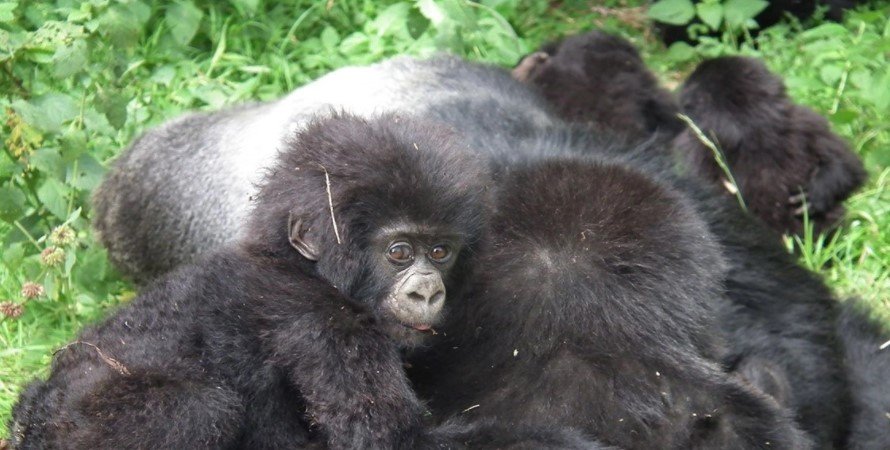
The Christmas gorilla family takes its name from a dominant silverback associated with the group. It is one of the recognized trekking families in the Nkuringo sector.
The group contributes to the availability of gorilla permits in this scenic southern part of Bwindi. Its range may take visitors through areas with outstanding views of the surrounding hills and distant volcanoes.
Christmas is suitable for physically prepared travelers who appreciate scenic trekking and a quieter forest environment.
As with all gorilla families, the number of members should not be treated as fixed. Births, deaths, transfers, leadership challenges, and separations can change the group from one season to another.
Posho Gorilla Family
Posho is one of the newer gorilla families associated with the Nkuringo side of Bwindi. The group adds to the increasing number of tourism and conservation units found within the park.
Newer groups require continued monitoring even after they begin receiving visitors. Rangers observe their health, movement, behavior around tourists, interactions with neighboring families, and responses to environmental pressures.
Posho may offer visitors an opportunity to trek in less familiar parts of the Nkuringo landscape. However, current availability should always be confirmed at the time of permit booking.
Nyakagezi Gorilla Family in Mgahinga Gorilla National Park
The Nyakagezi gorilla family is the best-known habituated mountain gorilla group in Mgahinga Gorilla National Park. It lives within the Virunga Massif, an interconnected mountain ecosystem shared by Uganda, Rwanda, and the Democratic Republic of the Congo.
Nyakagezi has historically been recognized for containing several silverbacks. Multiple adult males can create an impressive family structure, especially when they cooperate in protecting younger members.
In earlier years, the family sometimes crossed international borders because mountain gorillas do not recognize political boundaries. This movement made permit availability less predictable. In more recent years, the group has generally remained within Uganda for longer periods, allowing Mgahinga to develop into a dependable gorilla trekking destination.
The Nyakagezi gorilla trekking experience differs visually from many Bwindi treks. Mgahinga contains bamboo zones, volcanic slopes, montane forest, and views of Mount Muhabura, Mount Gahinga, and Mount Sabyinyo.
Visitors can combine a Nyakagezi gorilla trek with golden monkey trekking, volcano hiking, birdwatching, Batwa cultural experiences, and visits around Kisoro.
Nyakagezi is an excellent choice for travelers who prefer a quieter park, dramatic volcanic scenery, and the possibility of encountering a gorilla group with several mature males.
Which Is the Best Gorilla Family to Trek in Uganda?
There is no single best gorilla family to trek in Uganda because each group provides a different experience. The behavior of the gorillas, length of the hike, visibility, weather, vegetation, lighting, and level of activity all change from one day to another.
Travelers interested in history may appreciate Mubare because of its connection to the beginning of gorilla trekking in Uganda. Visitors interested in larger family histories may consider groups such as Habinyanja or Nshongi. Those fascinated by multiple silverbacks may enjoy families known for having several mature males, while photographers may prefer groups with active juveniles and infants.
However, permit allocation, gorilla movements, family health, trail conditions, and visitor fitness ultimately determine which family a traveler will visit.
The best approach is to choose the most suitable trekking sector rather than concentrating entirely on one family name.
Best Gorilla Families for First-Time Trekkers
First-time travelers often ask for a family believed to be close to the park headquarters. Although some groups have historically spent time near the starting points, no wild gorilla family can be guaranteed to remain nearby.
Families around Buhoma, including Rushegura and Mubare, have sometimes been reached after relatively manageable walks. However, either group can move several hours into the forest without warning.
Travelers concerned about trekking difficulty should explain their needs during the morning briefing. Rangers may assign them to a family whose latest known location appears more accessible, although conditions can still change during the hike.
Best Gorilla Families for Photographers
The best gorilla family for photography is not necessarily the largest group. Good photography depends on visibility, natural light, vegetation, gorilla activity, weather, positioning, and respect for viewing regulations.
A smaller family in an open feeding area may provide better photography than a large group hidden within dense vegetation. Families with juveniles and infants may offer active scenes, while groups with several silverbacks may provide powerful portraits and social interactions.
Photographers should consider trekking more than once because every gorilla encounter offers different lighting, behavior, landscapes, and family dynamics.
Best Gorilla Families for Adventurous Travelers
Travelers seeking a physically demanding trek may enjoy the steep landscapes of Nkuringo, the high-altitude forests of Ruhija, or the more distant routes within Rushaga.
However, a family that was difficult to reach yesterday may move close to the trail the next morning. Trekking difficulty is therefore determined more by the gorillas’ current location than by the family’s name alone.
Adventurous travelers should focus on the overall forest journey rather than expecting a guaranteed number of hiking hours.
Can You Choose a Gorilla Family?
Travelers usually book a permit for a particular park or trekking sector rather than a specific gorilla family. The Uganda Wildlife Authority allocates families during the briefing on the morning of the trek.
Visitors may request a shorter, moderate, or more challenging route. Rangers try to consider age, health, fitness, mobility, and personal interests, but no request can be guaranteed.
The final decision must balance visitor safety, gorilla welfare, family locations, and the number of people assigned to each group.
How Many People Can Visit One Gorilla Family?
A maximum of eight visitors are generally allowed to trek one habituated gorilla family each day. This restriction reduces noise, crowding, stress, vegetation damage, and the risk of transmitting human diseases to mountain gorillas.
The eight-person limit normally excludes Uganda Wildlife Authority rangers, trackers, guides, researchers, and essential support personnel.
Once the family is located, visitors usually spend a maximum of one hour observing the gorillas. The Gorilla Habituation Experience follows a different format and allows participants to accompany researchers during a longer controlled encounter.
Do Gorilla Family Sizes Remain the Same?
Gorilla family sizes never remain permanently fixed. Infants are born, older gorillas die, females transfer between groups, young males leave their birth families, solitary silverbacks attract females, and larger families sometimes divide.
Disease, injuries, competition, food availability, and interactions with neighboring groups can also influence the composition of a family.
For this reason, websites should avoid presenting family size as permanent information. A group described as having 15 members may have a different number by the time a visitor arrives.
The latest composition is best confirmed by rangers and researchers who monitor the gorillas daily.
Do Gorilla Families Fight Each Other?
Gorilla families generally avoid unnecessary conflict, but encounters can occur when their ranges overlap. Dominant silverbacks may display, beat their chests, vocalize, tear vegetation, or charge to discourage rivals.
Physical fights are less common but can become serious, particularly when a silverback attempts to take females from another group or challenge its leader.
Females may also voluntarily transfer to different groups. Such movements help reduce inbreeding and contribute to the genetic health of the mountain gorilla population.
How Rangers Identify Individual Gorillas
Researchers and trackers identify mountain gorillas through a combination of physical and behavioral characteristics.
Every gorilla has a unique nose print, similar to the uniqueness of a human fingerprint. Experts also examine facial shape, body size, scars, hair patterns, ear shape, behavior, age, family relationships, and movement style.
Daily monitoring allows trackers to recognize individuals quickly and notice changes in health, injuries, pregnancy, births, or social behavior.
This detailed knowledge enables guides to introduce visitors to individual family members during a Uganda gorilla trekking experience.
Why Gorilla Families Sometimes Split
A gorilla family may split because of leadership competition, the death of a dominant silverback, increasing group size, disagreements among adult males, or the decision of a younger silverback to establish his own group.
A male leaving the family may travel alone for months or years before attracting females. Others separate immediately with several existing group members.
Family splits can increase the number of independent gorilla groups, but conservationists must monitor the new families carefully to understand their stability, range, leadership, and health.
Several well-known Uganda gorilla families, including Rushegura, Bweza, Busingye, Mukiza, and Rwigi, have histories connected to divisions from larger groups.
Why Gorilla Families Are Important for Conservation
Monitoring individual gorilla families gives conservationists essential information about population growth, reproduction, mortality, disease, feeding behavior, habitat use, family relationships, and threats.
Rangers visit habituated families regularly and record the presence and condition of each member. If a gorilla is injured by a snare or shows signs of serious illness, veterinary teams can assess whether intervention is necessary.
Gorilla trekking revenue supports this daily monitoring, ranger patrols, veterinary care, research, habitat protection, community programs, and anti-poaching operations.
The controlled visitation of habituated gorilla families has therefore become one of the most important tools for financing mountain gorilla conservation in Uganda.
Respecting Every Gorilla Family
Every mountain gorilla family is different, but all groups must be treated with the same respect. Visitors should remain quiet, follow ranger instructions, avoid sudden movements, maintain the required distance, avoid eating near the gorillas, and never attempt to touch them.
A gorilla may occasionally move closer than the recommended distance. In such situations, visitors should remain calm, avoid direct confrontation, and follow the guide’s instructions instead of moving suddenly.
Travelers who are sick should not participate because mountain gorillas can contract respiratory diseases from humans.
Responsible behavior protects the family being visited and ensures that gorilla trekking in Uganda remains sustainable for future generations.
Understanding Uganda’s Gorilla Families Before Your Trek
Learning about the gorilla families in Uganda adds meaning to the trekking experience, but travelers should remember that they are visiting wild animals rather than a predictable attraction.
The family listed on a permit may have moved several kilometers overnight. Its dominant silverback may be resting, juveniles may be playing, females may be feeding behind thick vegetation, or the entire group may be traveling through the forest.
These natural and unpredictable moments are what make gorilla trekking in Uganda so powerful. Every family has a continuing story shaped by births, leadership changes, survival, relationships, and life inside one of Africa’s last mountain rainforests.
Whether you encounter Mubare in Buhoma, Bitukura in Ruhija, Bweza in Rushaga, Nkuringo in the southern hills, or Nyakagezi among the Virunga Volcanoes, the experience provides an extraordinary opportunity to observe the complex family life of endangered mountain gorillas while directly supporting their long-term protection.
The Gorilla Trekking Experience in Uganda
The gorilla trekking experience in Uganda is a carefully guided journey into the ancient rainforests of Bwindi Impenetrable National Park or Mgahinga Gorilla National Park in search of a habituated mountain gorilla family. It is not simply a wildlife viewing activity. It is a full-day adventure that combines forest hiking, conservation education, local knowledge, physical challenge, anticipation, and one of the most emotional wildlife encounters in Africa.
Every Uganda gorilla trekking experience is different because mountain gorillas move freely through the forest. Rangers cannot predict exactly where a family will be found, how long the trek will take, what the weather will be like, or what the gorillas will be doing when visitors arrive. This natural unpredictability is part of what makes gorilla trekking in Uganda so rewarding.
Some travelers may find their assigned gorilla family after less than one hour of walking, while others may spend several hours climbing hills, crossing streams, walking through bamboo, and navigating dense rainforest vegetation. Once the gorillas are located, visitors are usually allowed to spend a maximum of one hour observing the family from a safe distance under the supervision of Uganda Wildlife Authority rangers.
The full gorilla trekking experience normally includes arrival at the park headquarters, registration, a morning briefing, allocation to a gorilla family, introduction to the ranger team, hiring a porter, entering the forest, following signs left by the gorillas, meeting the tracking team, locating the family, spending one hour with the gorillas, returning to the starting point, and receiving a trekking certificate.
The Evening Before Gorilla Trekking
A successful gorilla trekking experience begins the evening before the activity. Travelers should arrive at a lodge located within or close to the correct trekking sector. Bwindi Impenetrable National Park has four main gorilla trekking sectors: Buhoma, Ruhija, Rushaga, and Nkuringo. These sectors are separated by steep hills, forest roads, and long driving distances, so staying in the wrong sector can result in a very early departure or even missing the morning briefing.
Your tour operator should confirm the trekking sector shown on your gorilla permit before selecting accommodation. A permit issued for Rushaga cannot normally be used in Buhoma, and a traveler staying near Buhoma may need several hours to reach a southern trekking sector.
During the evening, prepare everything required for the following morning. Pack your passport or identification document, gorilla permit confirmation where required, waterproof jacket, gloves, drinking water, packed lunch, camera, batteries, insect repellent, sunscreen, and any personal medication.
Wear or prepare long trousers, a long-sleeved shirt, strong waterproof hiking boots, and long socks. Tucking the trousers into the socks can help protect the legs from insects and stinging vegetation.
Charge camera batteries, clear enough storage space, and place electronic equipment inside waterproof bags. Rain can fall at any time in Uganda’s mountain forests, including during the drier months.
Travelers should also sleep early, avoid excessive alcohol, eat well, and drink enough water. Good rest makes it easier to handle the steep terrain and changing weather conditions of a gorilla trek.
Early Morning at the Lodge
The morning of gorilla trekking usually begins early. Most lodges serve breakfast before sunrise or shortly after sunrise so guests can reach the park headquarters in time for registration and briefing.
A proper breakfast is important because the activity may continue for several hours. Travelers should eat enough to maintain their energy without choosing a meal that feels too heavy during the hike.
The lodge or tour operator normally provides a packed lunch, drinking water, and sometimes an energy snack. The packed lunch is carried into the forest and eaten when the ranger determines that it is safe and appropriate. Food must never be eaten near the mountain gorillas.
Before leaving the lodge, confirm that you have your passport, permit documents, camera, rain jacket, walking gloves, water, packed lunch, and medication.
The drive to the briefing point may take a few minutes or more than an hour depending on the lodge location, road conditions, weather, and trekking sector.
Arrival at the Park Headquarters
Upon arrival at the Uganda Wildlife Authority park headquarters or briefing point, visitors register for the gorilla trekking activity. Rangers may check passports or identification documents to confirm the names, ages, residency status, and nationality categories connected to the permits.
Travelers should arrive early because registration and family allocation take place before the trekking groups enter the forest. Arriving late can disrupt the entire program and may result in a visitor missing the trek.
The atmosphere at the headquarters is usually filled with excitement and anticipation. Travelers from different countries gather with cameras, backpacks, hiking boots, and rain jackets as they prepare for the same extraordinary experience.
At some briefing points, local community members may perform traditional songs or dances before the official briefing. These performances introduce visitors to the culture of the communities living around the gorilla parks and demonstrate how tourism supports local livelihoods.
The Gorilla Trekking Briefing
The official gorilla trekking briefing is one of the most important parts of the day. Uganda Wildlife Authority rangers explain the trekking process, gorilla behavior, safety rules, conservation guidelines, and what visitors should expect inside the forest.
The briefing normally covers the importance of following ranger instructions, remaining with the group, maintaining the recommended distance from the gorillas, keeping voices low, avoiding flash photography, not touching the animals, and not eating or drinking during the gorilla encounter.
Visitors are also instructed not to trek when suffering from contagious illnesses such as influenza, a cold, fever, persistent coughing, or another respiratory infection. Mountain gorillas are closely related to humans and can contract some human diseases.
Rangers explain what to do if a gorilla approaches, beats its chest, vocalizes, moves across the trail, or appears close to visitors. The correct response is usually to remain calm, avoid sudden movements, follow instructions, and allow the gorilla enough space.
The briefing also helps visitors understand that gorilla trekking is not a performance. The animals will continue with their normal behavior, whether feeding, resting, grooming, traveling, playing, or caring for their young.
Allocation to a Gorilla Family
After the general briefing, visitors are divided into smaller trekking groups and allocated to different habituated gorilla families. A maximum of eight tourists are generally assigned to one gorilla family during standard gorilla trekking.
The allocation process is carefully managed. Rangers may consider age, physical fitness, medical conditions, mobility, group size, visitor preferences, and the most recent location of each gorilla family.
Travelers who require a shorter or less demanding route should explain their needs before the allocation is completed. Rangers may try to assign them to a family that was last observed closer to the starting point. However, mountain gorillas move freely, so no trek can be guaranteed to remain short or easy.
Stronger hikers may be assigned to a family located deeper in the forest or across more challenging terrain. Groups traveling together are normally kept together when possible, although operational conditions may occasionally require adjustments.
The ranger may introduce the assigned gorilla family by name and briefly explain its size, history, dominant silverback, infants, juveniles, and notable characteristics.
Meeting the Ranger Team
Each trekking group is accompanied by professional guides and rangers who understand the forest, the gorilla families, wildlife behavior, weather, terrain, and emergency procedures.
The team may include a lead guide, armed rangers, and support staff. The armed rangers are present for safety in a wilderness environment and not because habituated gorillas are normally aggressive toward visitors.
The guides explain forest plants, animal tracks, birds, butterflies, primates, and signs of gorilla activity during the trek. Their knowledge transforms the hike into an educational journey through one of Africa’s richest ecosystems.
Before entering the forest, the guide may ask visitors to introduce themselves and mention any health concerns. This allows the team to understand the group and manage the walking pace appropriately.
Hiring a Porter
Hiring a porter is highly recommended for every traveler, including visitors who consider themselves physically fit. Porters can carry backpacks, drinking water, packed lunches, camera equipment, and rain jackets while also providing support on steep, slippery, or muddy trails.
The assistance of a porter allows visitors to conserve energy and concentrate on the experience rather than struggling with a heavy backpack.
Porters are usually members of communities living near the national parks. Some may previously have depended on forest resources before conservation and tourism created alternative employment opportunities.
Hiring a porter therefore provides direct financial support to local households and strengthens community participation in mountain gorilla conservation.
A porter can help a traveler cross a stream, climb a steep slope, pass through thick vegetation, or maintain balance during a slippery descent. Their knowledge of the forest terrain can be especially valuable during rainy conditions.
Travelers should agree on the porter arrangement at the briefing point and provide an appropriate tip after the trek if satisfied with the assistance.
Choosing a Walking Stick
Walking sticks are often provided at the park headquarters or lodge. They are extremely useful for balancing on steep trails, testing muddy ground, crossing small streams, and reducing pressure on the knees during descents.
A walking stick should be strong but light enough to carry for several hours. It should be held on the side that provides the best balance, particularly when climbing or descending.
The combination of a walking stick and porter support can significantly improve comfort during gorilla trekking in Uganda.
Traveling to the Trailhead
Some gorilla treks begin directly from the park headquarters, while others require a short or longer drive to the forest trailhead. Visitors may travel in safari vehicles along community roads, mountain tracks, or park access roads before beginning the hike.
The transfer may pass through villages, tea plantations, farms, rolling hills, and spectacular viewpoints overlooking Bwindi or the Virunga Mountains.
Road conditions can vary, particularly after heavy rain. A reliable four-wheel-drive safari vehicle is highly recommended for gorilla trekking areas because some access roads are steep, muddy, narrow, or uneven.
At the trailhead, the guide checks the group, introduces any additional rangers, and gives final instructions before everyone enters the forest.
Entering the Rainforest
The moment visitors enter the rainforest marks the beginning of the true gorilla trekking adventure. The environment may immediately become cooler, darker, and more humid beneath the forest canopy.
The trail can pass through mature trees, vines, ferns, bamboo, shrubs, wetlands, and thick undergrowth. In some locations, clear paths are available, while in others the ranger team may need to create a temporary route through vegetation.
Bwindi is called impenetrable because of its thick plant growth and rugged terrain. The name does not mean that the forest cannot be entered, but it accurately describes the dense vegetation encountered in certain areas.
Mgahinga provides a different setting, with bamboo forests, volcanic slopes, montane vegetation, and views of the Virunga Volcanoes.
During the walk, visitors should remain behind the lead ranger, stay close to the group, and avoid wandering away from the established route.
The Pace of the Trek
Gorilla trekking is not a race. The ranger controls the pace according to the terrain, distance, weather, and ability of the group.
Visitors should communicate openly if they need a short rest, water break, assistance, or slower pace. Rangers and porters are experienced in helping travelers manage the physical challenge.
The group normally pauses at suitable locations rather than stopping on steep slopes, narrow trails, or unstable ground.
Strong hikers should remain patient and avoid moving ahead of the guide. The group must stay together for safety and visitor management.
The slower pace also creates time to appreciate the forest, observe wildlife, listen to bird calls, and understand the signs used by trackers.
Following Signs of Mountain Gorillas
Mountain gorillas leave several signs as they move through the forest. Rangers and trackers use these signs to determine where a family has traveled.
Fresh footprints may appear in mud or soft soil. Broken stems can show where gorillas passed or fed. Partly eaten vegetation, fresh dung, sleeping nests, bent branches, and damaged leaves help trackers estimate the direction and timing of the family’s movement.
Every gorilla builds a new nest each evening, and trackers often begin from the previous night’s nesting location. From there, they follow the family’s morning trail deeper into the forest.
Tracking requires exceptional knowledge and attention. Signs that appear meaningless to visitors can provide detailed information to experienced trackers.
The guide may explain how fresh a footprint appears, which plants gorillas have eaten, whether a silverback passed through an area, or how many individuals may have used a nesting site.
Meeting the Advance Trackers
Advance trackers often enter the forest before the tourist groups. Their job is to locate the gorilla families, observe their condition, record important information, and communicate their position to the trekking guides.
The tracking team may use radio communication to update the guide as the family moves. These updates help the visitor group adjust direction and avoid unnecessary walking.
When the tourist group gets close to the advance trackers, excitement usually increases because it may mean the gorillas are nearby.
However, visitors should not assume that the encounter will begin immediately. The family may still be moving, feeding through dense vegetation, or resting in a difficult location.
The advance team may help position visitors safely and clear only the minimum vegetation necessary for viewing.
The Final Approach to the Gorillas
When the gorillas are close, the guide normally asks the group to stop and prepare for the encounter. Backpacks, walking sticks, packed lunches, and unnecessary items may be left with porters at a safe location under the supervision of staff.
Visitors take only essential cameras or phones and follow the guide quietly toward the family.
The ranger repeats the important rules before the final approach. Voices must remain low, movements should be slow, flash must be turned off, and visitors must stay together.
The forest may become very quiet as the group moves through the final section. The first sight of dark fur through the leaves can be an intensely emotional moment.
Some visitors first see a juvenile in a tree, a mother feeding, or the broad back of a silverback resting on the forest floor.
The First Gorilla Encounter
Seeing a wild mountain gorilla for the first time is often the most powerful moment of the entire Uganda safari. Photographs and documentaries cannot fully prepare travelers for the size, presence, facial expressions, and calm intelligence of these animals.
A silverback may appear enormous at close range, with a broad chest, muscular shoulders, powerful arms, and a silver-gray saddle across his back.
Adult females may sit quietly while feeding or caring for infants. Juveniles often climb trees, chase each other, wrestle, roll through vegetation, or move curiously around the family.
Infants may remain close to their mothers or occasionally explore nearby branches before returning for protection.
The gorillas may look directly toward visitors, but they usually continue with their natural activities because they are familiar with the controlled presence of humans.
The One-Hour Gorilla Encounter
The official one-hour viewing period normally begins when the visitors reach the gorilla family and the ranger determines that everyone is in position.
During this hour, the group may move slowly with the gorillas if they change feeding locations. Rangers direct visitors to safe viewing points while ensuring that the animals have enough space.
The encounter is quiet, intimate, and carefully controlled. Visitors may witness feeding, resting, grooming, play, communication, maternal care, chest beating, nest preparation, or movement through the forest.
No two one-hour encounters are the same. One family may remain in a sunny clearing, while another sits beneath dense foliage. Some gorillas may be active and playful, while others rest for most of the hour.
The value of the experience is not determined by constant activity. Watching a family resting peacefully can reveal the strong bonds, trust, and social organization that define mountain gorilla life.
Maintaining a Safe Distance
Visitors are instructed to maintain the minimum distance recommended by the Uganda Wildlife Authority. This distance helps protect mountain gorillas from human diseases and reduces disturbance.
However, gorillas do not understand tourism regulations and may sometimes approach visitors. A curious juvenile may move closer, a family may cross the trail, or a silverback may pass near the group while changing position.
When this happens, visitors should remain calm and follow the ranger’s instructions. They should not reach toward the gorilla, touch it, run away, or make sudden movements.
The ranger may ask everyone to crouch, remain still, look downward, or slowly move aside.
Even when a gorilla comes closer, visitors must remember that it is a powerful wild animal and must be treated with complete respect.
Gorilla Behavior During the Encounter
Mountain gorillas communicate through body posture, facial expressions, vocal sounds, touch, movement, and displays.
Soft grunts may indicate comfort or communication between family members. Juveniles may laugh or make playful sounds while wrestling. A silverback may beat his chest to display strength, communicate his location, or respond to activity nearby.
Chest beating does not automatically mean that the silverback intends to attack. It is a form of communication and display. Visitors should remain still and allow the guide to interpret the behavior.
A gorilla may yawn, but this can expose its large teeth and appear intimidating. Mothers may move away if they feel their infant is being watched too closely.
The guide helps visitors understand these behaviors without interrupting the family’s natural activities.
Photographing Mountain Gorillas
Photography is an important part of the gorilla trekking experience, but it should never prevent visitors from appreciating the encounter directly.
Flash photography is prohibited because sudden bright light can disturb the gorillas. Visitors should confirm that automatic flash is disabled before approaching the family.
Rainforest light can be limited, so cameras may require higher sensitivity settings, wider apertures, and steady handling. A zoom lens is useful, but very long or heavy equipment can become difficult to carry during the hike.
Phones can also capture excellent images and videos, particularly in good light.
Visitors should avoid constant movement while searching for different angles. The ranger decides where the group may stand, and vegetation should not be damaged simply to create a better photograph.
It is helpful to take several photographs and then lower the camera for a few minutes to experience the gorillas without looking through a screen.
Recording Video
Video can capture movements, vocalizations, play, feeding, and family interactions that still photographs may miss.
Visitors should keep phones or cameras silent and avoid narration during recording. Loud conversation can disturb the experience for both gorillas and other travelers.
A stable handheld position is often more practical than carrying large video equipment into the forest. Tripods are usually inconvenient because the group may need to move frequently and viewing areas can be narrow.
Visitors should respect the instructions of the rangers and avoid blocking the view of other group members.
What Happens if the Gorillas Move?
Mountain gorillas may remain in one place during the encounter or move through the forest while feeding. If the family moves, the ranger may direct visitors to follow at a controlled distance.
Following the gorillas can involve stepping over roots, moving around trees, descending short slopes, or passing through thick vegetation.
Visitors should not rush or attempt to get ahead of the family. The ranger and trackers determine the safest route.
If the gorillas move too quickly, enter unsafe terrain, or cross into an area where following is not appropriate, the ranger may ask visitors to wait.
The viewing period continues under the supervision of the guide, although practical decisions may be made to protect the gorillas and visitors.
What Happens if a Gorilla Approaches You?
If a gorilla approaches, remain calm and avoid sudden movement. Do not touch the gorilla, even when it appears gentle or curious.
The guide may instruct visitors to crouch, avoid direct eye contact, remain silent, or slowly move in a particular direction.
A juvenile may approach out of curiosity, but adult gorillas, especially the silverback, continue to monitor the situation.
Attempting to take a close selfie, reaching toward the gorilla, or moving away quickly can create unnecessary risk.
The safest action is always to follow the ranger’s instructions exactly.
What Happens if a Silverback Charges?
A silverback may perform a mock charge if he feels threatened, wants to display dominance, or reacts to sudden activity.
Although such events are uncommon with properly habituated families, visitors are briefed on how to respond.
Running is dangerous and must be avoided. The group should remain calm, crouch if instructed, avoid direct confrontation, and allow the ranger to manage the situation.
Most displays are warnings rather than attempts to make physical contact.
Habituated silverbacks are familiar with the controlled presence of visitors, but they remain wild animals responsible for protecting their families.
The Emotional Impact of Gorilla Trekking
Many travelers describe gorilla trekking in Uganda as emotional, humbling, and life-changing.
The close physical resemblance between humans and gorillas creates an immediate sense of connection. Their hands, eyes, facial expressions, family relationships, protective behavior, play, and communication feel familiar.
Watching a mother hold an infant or a silverback protect his family can change the way visitors understand wildlife.
The experience also creates a deeper appreciation for conservation. Travelers see that protecting mountain gorillas requires safeguarding entire forests, supporting rangers, funding veterinary care, working with communities, and carefully managing tourism.
For many people, the hour passes surprisingly quickly because the encounter demands complete attention.
The End of the One-Hour Encounter
The ranger normally announces when only a few minutes remain. This gives visitors time to take final photographs and appreciate the last moments quietly.
When the one-hour limit is reached, the group slowly moves away from the gorilla family.
The time restriction is necessary to reduce stress, limit exposure to human diseases, and allow the gorillas to continue their normal activities without prolonged disturbance.
Visitors may feel that one hour is short, but the controlled system is one of the reasons gorilla trekking has remained sustainable.
After moving a safe distance away, the group may collect backpacks and walking sticks from the porters.
Lunch in the Forest
Depending on the length of the trek, the group may eat packed lunch before or after the gorilla encounter.
The ranger selects a safe place away from the gorillas and sensitive wildlife areas.
Visitors should keep food secure and remove all rubbish from the forest. Nothing should be left behind, including wrappers, bottles, fruit peels, tissues, or food remains.
Eating near the gorillas is prohibited because food can attract wildlife, alter animal behavior, and increase the risk of disease transmission.
Travelers should drink enough water during the return journey, especially after a long or physically demanding trek.
The Return Hike
The return journey may follow the same trail or use a different route depending on the gorillas’ location, terrain, weather, and access points.
Visitors often feel more relaxed on the way back because the main goal has been achieved. However, the return can still be physically demanding, particularly after a long trek.
Descents may place pressure on the knees, while steep climbs can feel more difficult when travelers are tired. This is another reason why a walking stick and porter are valuable.
The guide continues to control the pace and may stop for short breaks.
During the return hike, visitors can ask questions about the gorillas, forest, conservation, communities, birds, plants, and wildlife.
Returning to the Park Headquarters
Once the group reaches the trailhead or park headquarters, visitors check that all personal belongings have been collected and thank the rangers, trackers, and porters.
The return time varies. Some groups may finish before midday, while others return in the late afternoon.
Travel plans after gorilla trekking should remain flexible because no one can guarantee exactly when the activity will end.
It is unwise to schedule a long transfer, border crossing, or flight immediately after the trek unless enough time has been allowed for delays.
Gorilla Trekking Certificate
Visitors who complete the trek normally receive a gorilla trekking certificate from the Uganda Wildlife Authority.
The certificate is a symbolic record of the experience and recognition of the visitor’s contribution to mountain gorilla conservation.
Many travelers keep it as a personal souvenir, display it at home, or add it to a travel collection.
The certificate presentation may also provide an opportunity for group photographs with guides, rangers, and porters.
Tipping Rangers, Guides, Trackers, and Porters
Tipping is not compulsory, but it is widely appreciated when visitors are satisfied with the service provided.
The ranger team, advance trackers, guides, and porters contribute significantly to the safety and success of the experience.
Travelers can ask their safari operator or lodge for current tipping guidance because recommended amounts can vary depending on group size, service, and personal preference.
A porter should normally receive an individual tip in addition to the agreed porter fee.
Tips should be given respectfully and directly or placed into an official shared collection where that system is used.
Returning to the Lodge
After the trek, travelers return to their lodge for rest, a shower, lunch, or evening relaxation.
Many lodges offer boot cleaning, warm drinks, massage treatments, fireplaces, or views of the forest and surrounding hills.
Wet or muddy clothing should be changed quickly, and hiking boots should be cleaned and dried before the next activity.
Travelers may spend the evening reviewing photographs, sharing stories, enjoying dinner, and reflecting on the encounter.
Those trekking again the following day should recharge batteries, repack equipment, drink enough water, and rest early.
How Long Does the Full Gorilla Trekking Experience Take?
The complete gorilla trekking experience can take anywhere from a few hours to most of the day.
The forest hike before reaching the gorillas may last less than one hour or several hours. Visitors then spend up to one hour with the family before beginning the return hike.
The total duration depends on the family’s location, terrain, weather, visitor pace, trail conditions, and distance from the headquarters.
Travelers should keep the entire day free and avoid making fixed afternoon plans.
How Difficult Is Gorilla Trekking in Uganda?
The difficulty of gorilla trekking varies from easy to very demanding.
Some routes follow gentle forest trails, while others involve steep slopes, muddy ground, thick vegetation, high elevation, river crossings, and several hours of hiking.
Bwindi’s Nkuringo and some parts of Ruhija are often associated with steeper terrain, while certain Buhoma routes may sometimes be more manageable. However, the gorillas’ movement is the most important factor.
A family located near the trail can provide a short trek in any sector, while the same family may require a much longer hike the next day.
Basic fitness, proper boots, a walking stick, a porter, enough water, suitable clothing, and a positive attitude make the experience easier.
What Happens if You Cannot Continue?
A traveler who becomes tired should inform the guide immediately. The team can slow the pace, allow a rest, provide support, or assess whether continuing is safe.
Porters can help on difficult sections, but visitors should be honest about serious pain, breathing problems, dizziness, or illness.
In some cases, a traveler may decide to return before reaching the gorillas. Permit refunds are not normally provided simply because someone is unable to complete the trek, so physical preparation is important.
Special carrying arrangements may be available for travelers with limited mobility when organized in advance through an experienced tour operator.
What Happens if the Gorillas Are Not Found?
Mountain gorillas are tracked and monitored daily, so the chances of locating a habituated family are very high.
However, they remain wild animals living in a large and difficult forest environment. Weather, unexpected movement, difficult terrain, or unusual circumstances can affect tracking.
The ranger and tracking teams make every reasonable effort to find the assigned family.
Travelers should follow the official Uganda Wildlife Authority guidance regarding rare situations where a trek is unsuccessful.
What Happens if It Rains?
Rain is always possible in Bwindi and Mgahinga because both parks protect moist mountain forest ecosystems.
A trek normally continues during rain unless conditions become unsafe. Gorillas also continue feeding, resting, or moving during wet weather.
Trails may become muddy and slippery, visibility may decrease, and photography can become more difficult.
Visitors should carry a waterproof jacket, protect cameras and phones, wear strong hiking boots, and use a walking stick.
Rain can also create beautiful conditions, including mist, soft forest light, bright vegetation, and dramatic photographs.
Can Older Travelers Enjoy Gorilla Trekking?
Many older travelers successfully complete gorilla trekking in Uganda.
Age alone does not determine whether someone can trek. General health, mobility, fitness, preparation, and the level of support available are more important.
Older travelers should request a potentially shorter route, hire a porter, use a walking stick, move at a comfortable pace, and discuss health concerns with a doctor before traveling.
Special carrying chairs and support teams may be arranged for some visitors when booked in advance.
Can Travelers With Limited Mobility Trek Gorillas?
Gorilla trekking can sometimes be arranged for travelers with limited mobility through the use of specialized carrying chairs and trained support teams.
The visitor is carried through difficult sections and assisted during the gorilla encounter.
Such arrangements must be organized before the trekking day because enough support staff and appropriate equipment are required.
The cost depends on the terrain, distance, number of carriers, and level of assistance needed.
Travelers should provide honest and detailed mobility information to their safari operator during the planning stage.
Is Gorilla Trekking Safe?
Gorilla trekking in Uganda is generally safe when visitors follow ranger instructions and use a licensed operator.
Habituated gorilla families are accustomed to the controlled presence of humans, and every trek is led by trained Uganda Wildlife Authority personnel.
The greatest practical challenges are often steep terrain, mud, insects, fatigue, changing weather, and slippery trails rather than aggression from gorillas.
Visitors can improve safety by wearing proper footwear, staying with the group, hiring a porter, carrying enough water, disclosing medical conditions, and following every instruction from the ranger.
How to Get the Best Gorilla Trekking Experience
The best gorilla trekking experience begins with realistic expectations and good preparation.
Travelers should not expect a perfectly clear forest, a guaranteed short walk, constant gorilla activity, or ideal photography conditions.
Instead, they should appreciate the entire journey, including the briefing, local porters, forest scenery, tracking skills, conservation lessons, wildlife sounds, physical challenge, and the moment the gorilla family is finally located.
Hiring a porter, wearing proper hiking boots, carrying waterproof protection, arriving in the correct sector, staying patient, and listening carefully to rangers can significantly improve the day.
Most importantly, visitors should spend part of the one-hour encounter simply watching the gorillas without a camera.
The memory of a silverback resting quietly, an infant holding its mother, or a juvenile playing in the forest often becomes more valuable than any photograph.
Why the Uganda Gorilla Trekking Experience Is Unforgettable
The gorilla trekking experience in Uganda combines adventure, conservation, emotion, and direct contact with one of the rarest great apes on Earth.
The journey through the rainforest creates anticipation, while the final encounter reveals the intelligence, strength, gentleness, and complex family life of mountain gorillas.
Every permit helps support gorilla monitoring, ranger patrols, habitat protection, veterinary care, conservation research, and communities living near the parks.
This means that visitors do more than observe mountain gorillas. They participate in a tourism system that helps protect the animals and their habitat.
Whether the trek lasts two hours or the entire day, the moment spent with a wild gorilla family in Bwindi Impenetrable National Park or Mgahinga Gorilla National Park remains one of the most meaningful wildlife experiences available anywhere in the world.
Gorilla Trekking Permits in Uganda
A Uganda gorilla trekking permit is an official authorization that allows one traveler to join a guided trek and visit a habituated mountain gorilla family in Bwindi Impenetrable National Park or Mgahinga Gorilla National Park on a specific date. A valid gorilla permit is compulsory for every person taking part in gorilla trekking in Uganda.
The Uganda Wildlife Authority manages the sale, allocation, verification, and use of Uganda gorilla permits. The permit system limits the number of people visiting each gorilla family, protects mountain gorillas from excessive disturbance, supports conservation work, and helps organize trekkers across the different gorilla trekking sectors.
A Uganda gorilla permit is not a general national park entrance ticket that can be used at any time. It is connected to a particular visitor, trekking date, activity, park, and entry location. Travelers should therefore secure their gorilla trekking permit before confirming accommodation, domestic flights, international flights, and the rest of their Uganda safari.
Permit prices and booking policies can change. The rates and rules below reflect Uganda Wildlife Authority information available in July 2026 and should be confirmed again before payment.
How Much Is a Gorilla Permit in Uganda?
The standard Uganda gorilla trekking permit price depends on the visitor’s citizenship or residency category. Under the current tariff structure, a standard gorilla trekking permit costs $800 for a foreign non-resident, $700 for a foreign resident, $500 for a citizen of another African country outside the East African Community, and UGX 300,000 for an East African Community citizen. These standard gorilla trekking prices apply to both Bwindi Impenetrable National Park and Mgahinga Gorilla National Park.
Current Uganda Gorilla Permit Prices
Uganda Wildlife Authority (UWA) offers different gorilla permit prices depending on the visitor category. Every permit allows one gorilla trek and up to one hour with a habituated mountain gorilla family. :contentReference[oaicite:0]{index=0}
| Visitor Category | Standard Permit | Low Season* | Valid For |
|---|---|---|---|
| Foreign Non-Resident (FNR) | US$800 | US$600 | 1 Gorilla Trek + 1 Hour |
| Foreign Resident (FR) | US$700 | US$500 | 1 Gorilla Trek + 1 Hour |
| Rest of Africa (ROA) | US$500 | — | 1 Gorilla Trek + 1 Hour |
| East African Citizen (EAC) | UGX 300,000 | — | 1 Gorilla Trek + 1 Hour |
Important Information
*Low-season permit prices currently apply only to Foreign Non-Residents and Foreign Residents during April, May and November. These discounted permits are subject to specific Uganda Wildlife Authority conditions, including immediate payment and no rescheduling. Standard permit prices remain unchanged for all other visitor categories. :contentReference[oaicite:1]{index=1}
Uganda Gorilla Permit Rates From January 2027
The Uganda Wildlife Authority has announced that the standard gorilla trekking prices taking effect on January 1, 2027, will remain $800 for foreign non-residents, $700 for foreign residents, $500 for Rest of Africa citizens, and UGX 300,000 for East African Community citizens. The announced 2027 changes affect several other wildlife activities, but the published standard gorilla tracking rates remain unchanged.
Because tariffs may be amended, travelers planning far in advance should request written confirmation of the applicable price before making payment.
What Is Included in a Uganda Gorilla Permit?
A Uganda gorilla trekking permit includes entry into the relevant gorilla park for the day of the activity, the official Uganda Wildlife Authority guide service, the guided forest trek, the visit to one habituated mountain gorilla family, and a contribution toward community development and wildlife conservation.
The permit allows a maximum of one hour with the mountain gorillas after the trekking group reaches the assigned family. The time spent hiking before and after the encounter is not included within this one-hour viewing period. The entire activity may last from a few hours to most of the day, depending on the gorillas’ location and the conditions in the forest.
The permit also helps finance ranger patrols, gorilla monitoring, veterinary support, habitat protection, scientific research, conservation education, and community programs around Bwindi and Mgahinga.
What Is Not Included in a Uganda Gorilla Permit?
A Uganda gorilla permit does not normally include transport to the national park, airport transfers, accommodation, meals, drinking water, porter services, tips, personal travel insurance, visas, hiking equipment, or the services of a private safari driver guide outside the official park activity.
It also does not include extra activities such as gorilla habituation, golden monkey trekking, Batwa cultural experiences, birdwatching, nature walks, domestic flights, or visits to other Uganda national parks.
Travelers comparing Uganda gorilla trekking safari prices should check whether a quotation includes only the permit or the complete safari arrangement. A full gorilla trekking package may include transportation, accommodation, meals, permits, guide services, border assistance, and additional safari activities.
Gorilla Permit vs Gorilla Habituation Permit
Although both permits allow you to see mountain gorillas in Uganda, they provide different experiences. The table below highlights the key differences to help you choose the option that best suits your interests.
Which Permit Should You Choose?
If you are visiting Uganda for the first time, a standard gorilla trekking permit offers an unforgettable one-hour encounter with a fully habituated mountain gorilla family at a lower cost. If you are passionate about wildlife photography, conservation, or want a more immersive experience, the gorilla habituation permit allows you to spend up to four hours with researchers as they gradually accustom a wild gorilla family to human presence. Africa Gorilla Trips can help you choose the most suitable permit based on your travel dates, interests, budget and permit availability.
Uganda Gorilla Permit Visitor Categories
Uganda gorilla permit prices vary according to citizenship and legal residency. Travelers should understand their correct category before requesting availability.
Foreign Non-Resident
A foreign non-resident is generally a visitor from outside the East African Community who does not hold qualifying legal residency within an East African Community member state.
Most international travelers from Europe, North America, Asia, the Middle East, Australia, and other regions fall within this category. A valid passport is required for verification.
Foreign Resident
A foreign resident is a foreign citizen legally residing in an East African Community member state with a valid resident visa, work permit, certificate of residence, dependent pass, or qualifying student pass.
Living in East Africa without valid residency documentation does not automatically qualify a traveler for the foreign-resident rate. The relevant documentation must be valid and presented for verification.
Rest of Africa Citizen
The Rest of Africa category covers citizens of African countries that are not members of the East African Community. A valid passport from a qualifying African country is required.
This category provides a lower Uganda gorilla permit price than the foreign non-resident rate and encourages more African travelers to experience mountain gorilla conservation.
East African Community Citizen
The East African Community category covers citizens of qualifying member states. The Uganda Wildlife Authority’s 2024 permit guidelines identify citizens of Uganda, Kenya, Tanzania, Rwanda, Burundi, the Democratic Republic of the Congo, South Sudan, and Somalia, together with any later qualifying members. Officially registered refugees in Uganda may also fall under the defined East African Community category.
A valid national identity card, passport, or other accepted official document is required. Travelers should confirm current membership and documentation requirements before booking because regional arrangements may change.
What Documents Are Required to Book a Gorilla Permit?
The information required to secure a Uganda gorilla permit normally includes the traveler’s full name as shown in the passport, nationality, passport number, date of birth, residency category, preferred trekking date, and preferred park or trekking sector.
Foreign non-residents and Rest of Africa citizens should prepare valid passport details. Foreign residents must provide both passport information and proof of legal residency. East African Community citizens should provide a valid national identity card or passport from a qualifying member state.
The information supplied during booking must match the document presented at the park. Incorrect names, passport numbers, residency categories, or nationalities can create delays during validation.
A copy of the passport’s identification page is often requested by the licensed tour operator arranging the permit. Travelers should send passport copies through a secure and trusted communication method.
Minimum Age for a Uganda Gorilla Permit
The minimum age for gorilla trekking in Uganda is 15 years. A child below the minimum age cannot normally participate, even when the child is physically fit or traveling with parents.
This age restriction helps protect children from the physical and emotional challenges of the trek and reduces the possibility of unpredictable reactions during a close encounter with powerful wild animals. It also supports disease-control measures because younger children can be more vulnerable to or more likely to carry common infections.
Travelers planning a family safari should calculate the child’s age on the actual trekking date, not the booking date. A traveler who is 14 during booking but turns 15 before the trek may qualify, provided the correct birth date is supplied and the Uganda Wildlife Authority accepts the documentation.
Families with younger children can arrange alternative activities and supervised care while adults and eligible teenagers complete the gorilla trek.
Where Are Uganda Gorilla Permits Used?
Uganda gorilla trekking permits are used in Bwindi Impenetrable National Park and Mgahinga Gorilla National Park.
Bwindi is divided into the Buhoma, Ruhija, Rushaga, and Nkuringo trekking sectors. The sector shown on the confirmed permit determines where the traveler must report for the morning briefing.
Mgahinga has its own park briefing and trekking arrangements near Kisoro. A permit issued for Mgahinga cannot simply be used in Bwindi, and a permit assigned to one Bwindi entry point should not be treated as valid for another sector without official approval.
The location matters because the sectors are separated by difficult mountain roads and long driving distances. Travelers should book accommodation only after confirming the permit location.
Does a Gorilla Permit Guarantee a Specific Family?
A Uganda gorilla permit guarantees participation in a trek for an available habituated gorilla family within the confirmed park or sector, subject to the official regulations. It does not normally guarantee a named gorilla family.
The family is usually allocated during the morning briefing. Rangers consider the most recent location of each family, the trekking conditions, visitor fitness, age, mobility, group composition, and operational requirements.
Travelers may request a shorter or more challenging trek, but no exact walking time can be guaranteed because mountain gorillas move freely.
How Many People Share One Gorilla Permit?
A gorilla permit is issued to one named visitor. It cannot be shared by two travelers.
Standard gorilla trekking groups are generally limited to a maximum of eight visitors per habituated gorilla family per day. Each of those eight visitors requires an individual permit.
Limiting the group size reduces crowding, noise, habitat disturbance, and the risk of transmitting human diseases to gorillas. It also provides visitors with a more controlled and personal viewing experience.
How to Book a Gorilla Permit in Uganda
Foreign non-resident gorilla permits must be purchased through a tour and travel operator licensed by the Uganda Tourism Board. The official Uganda Wildlife Authority guidelines state that the authority sells these permits through eligible licensed operators.
The simplest booking process involves choosing a travel date, identifying the preferred park or Bwindi sector, sharing the necessary passport details, requesting an availability check, paying the full permit price, and receiving written confirmation.
A professional Uganda tour operator can also coordinate the permit with accommodation, transportation, border crossings, domestic flights, and the rest of the safari itinerary.
Step 1: Select Possible Trekking Dates
Travelers should ideally provide more than one possible date, especially when planning for June, July, August, September, December, January, or February.
Flexible dates give the operator a better chance of finding available permits without changing the entire safari.
Step 2: Choose Bwindi or Mgahinga
Bwindi offers more trekking sectors, more habituated families, a larger accommodation selection, and the Gorilla Habituation Experience.
Mgahinga offers volcanic scenery, a quieter environment, and the possibility of combining gorilla trekking with golden monkey trekking or volcano hiking.
Step 3: Check Permit Availability
The licensed operator checks the Uganda Wildlife Authority booking system for the preferred date and location.
Availability should always be confirmed before the traveler pays for non-refundable accommodation or transport.
Step 4: Submit Visitor Details
The traveler provides the full names, nationality, passport number, date of birth, and visitor category for every participant.
Foreign residents and regional citizens must provide the documentation required to qualify for discounted rates.
Step 5: Pay the Full Permit Price
Under the booking arrangements effective from March 1, 2026, the former seven-day unpaid reservation window has been suspended. Operators can secure permits only through full payment at the time of booking, meaning an unpaid request does not hold the permit.
This is an important change. A message saying that permits are available does not mean they have been secured. Availability can change until payment is completed and the booking is confirmed.
Step 6: Receive Confirmation
After successful payment and processing, the traveler or tour operator receives the booking confirmation, payment receipt, or permit documentation.
The operator should verify the visitor names, tracking date, park, sector, permit category, and activity before finalizing the rest of the itinerary.
Why Permit Availability Can Change Quickly
The number of Uganda gorilla permits available each day is limited by the number of habituated gorilla families and the maximum number of visitors allowed to visit each family.
Availability can change within minutes when multiple operators are checking the same dates. This is particularly common during peak travel months and around holidays.
Since the unpaid seven-day holding window was suspended from March 1, 2026, a permit is secured only after full payment. Travelers should therefore be ready to complete payment as soon as the preferred date is confirmed.
How Early Should You Book Uganda Gorilla Permits?
Travelers should ideally book Uganda gorilla permits six to twelve months before their intended trekking date, especially for the busiest months. Earlier booking is also important for travelers needing several permits on the same day, luxury lodges with limited rooms, or a specific Bwindi sector.
Booking three to six months in advance may still be sufficient during some periods, but availability should never be assumed.
April, May, and November may offer better availability because they fall within wetter travel periods and now have discounted permit prices for some visitor categories. However, the lower prices may also attract additional demand.
Last-minute Uganda gorilla permits can occasionally be found through cancellations or remaining inventory, but travelers should not build an important international trip around the assumption that permits will become available.
Can You Book a Uganda Gorilla Permit One Year in Advance?
The Uganda Wildlife Authority’s permit-management guidelines allow permits to be reserved and paid for in advance for tracking dates falling within a period not exceeding one year from the reservation date.
Travelers planning more than one year ahead may need to wait until their date enters the permitted booking window. The tour operator can still help plan the general itinerary and prepare to check availability when the booking period opens.
Can a Gorilla Permit Be Reserved Without Payment?
As of March 1, 2026, the seven-day unpaid reservation window has been suspended. Full payment is now required when booking in order to secure the permit.
This means travelers should not treat an availability check, quotation, invoice request, or verbal confirmation as a guaranteed permit.
A permit should be considered secured only when full payment has been processed and official confirmation has been issued.
Accepted Payment Methods
Official Uganda Wildlife Authority guidance provides for payment methods that may include approved online payment, card payment, bank transfer, direct bank deposit, and authorized mobile-money channels. Payments must be linked to a valid system-generated invoice, and the full invoiced amount must reach the official Uganda Wildlife Authority account.
Foreign non-resident travelers usually pay their licensed tour operator, who then secures the permits through the authorized booking system.
Travelers should use only verified company payment instructions. They should never send money to an unknown personal account simply because someone claims to have access to discounted or reserved gorilla permits.
How to Avoid Fake Gorilla Permits
Gorilla permits are valuable and limited, which can attract dishonest sellers. Travelers should verify that the tour operator is licensed, confirm that the company’s names match its official records, request a written invoice, and keep all receipts and communication.
The Uganda Wildlife Authority states that it does not have unofficial agents inside or outside Uganda. Permit payments must follow approved booking and payment procedures.
A suspiciously cheap permit, especially outside an officially announced promotion, should be treated with caution. Standard rates are publicly established, and genuine discounts should be supported by an official Uganda Wildlife Authority communication.
Travelers should also avoid buying an already named permit privately from another tourist without official approval. Visitor details are verified against the booking system at the park.
Can a Gorilla Permit Be Transferred to Another Person?
A gorilla permit is connected to visitor information recorded in the Uganda Wildlife Authority system. Any change of traveler details must follow official procedures and receive approval.
Travelers should not assume that a permit can be freely sold, gifted, or transferred to another person. The replacement traveler must qualify for the same permit category, and the change must be completed before the tracking date according to the applicable rules.
A foreign-resident permit cannot simply be transferred to a foreign non-resident without addressing the price difference and documentation requirements. An East African Community permit cannot be used by a traveler who does not qualify for that category.
The safest approach is to request any change through the licensed tour operator that made the original booking.
Can a Uganda Gorilla Permit Be Rescheduled?
Under the general Uganda Wildlife Authority guidelines, one permit may be rescheduled up to two times, subject to availability. The first reschedule may be made once without a rescheduling fee, while the second reschedule attracts a surcharge equal to 25 percent of the permit cost.
A rescheduling request should normally be received at least 14 days before the tracking date. A request received less than 14 days before the trek may attract a 25 percent surcharge and remains subject to availability.
Where a permit is moved to a period with a higher price, the traveler must pay the difference. Rescheduled dates should not extend beyond the permitted period measured from the original booking date, and a permit that has already been rescheduled is generally not eligible for a refund.
Promotional and complimentary permits are generally not reschedulable. The discounted low-season gorilla permits introduced for April, May, and November are also specifically described as non-reschedulable.
Uganda Gorilla Permit Cancellation & Refund Policy
If your travel plans change, Uganda Wildlife Authority (UWA) may refund part of your gorilla permit depending on how far in advance the cancellation is made. The earlier you cancel, the higher the potential refund.
| Cancellation Period | Refund | UWA Retains | Remarks |
|---|---|---|---|
| 91 Days or More | 75% | 25% | Highest refund available. |
| 46–90 Days | 50% | 50% | Half of the permit fee is refundable. |
| 9–45 Days | 25% | 75% | Limited refund before the trek. |
| 0–8 Days | 0% | 100% | No refund for late cancellations or no-shows. |
Important Notes
- Refund requests are subject to Uganda Wildlife Authority approval.
- The cancellation period is calculated from the scheduled gorilla trekking date.
- Refunds apply to the gorilla permit only and do not automatically include accommodation, transport, flights or other safari services.
- Permit rescheduling may be possible in certain situations, subject to UWA regulations and permit availability.
- Your tour operator can assist with submitting cancellation or refund requests on your behalf.
What Happens if the Gorillas Are Not Found?
Daily tracking and monitoring make the chances of finding a habituated gorilla family very high, but mountain gorillas remain wild and sightings cannot be treated as an absolute guarantee.
When a visitor completes a full day of tracking but does not see the gorillas, the Uganda Wildlife Authority may first authorize rescheduling to the following day. Where no suitable slot is available or the traveler cannot remain an extra day, the published guidelines allow the Executive Director to authorize a refund of 60 percent of the permit value after confirmation by the responsible park official. Taxes, bank charges, and other incidental costs may be deducted.
This is one reason travelers should avoid scheduling a flight or major transfer immediately after the trekking day.
What Happens if You Become Sick Before Gorilla Trekking?
A visitor showing signs of a contagious illness may be prevented from trekking because mountain gorillas can contract human respiratory infections.
The published guidelines state that a traveler who becomes unfit to trek due to illness while already at the park may be considered for a 50 percent permit refund, subject to medical confirmation and official authorization. The visitor bears the cost of diagnosis and treatment, and incidental expenses may be deducted from the refund.
This provision should not be treated as ordinary travel insurance. Travelers who cancel before reaching the park because of illness may be assessed under different cancellation terms.
Comprehensive travel insurance should therefore cover medical cancellation, trip interruption, emergency evacuation, and non-refundable safari expenses.
What Happens After an Accident in the Park?
The Uganda Wildlife Authority guidelines allow the Executive Director to consider a 50 percent permit refund when a visitor cannot trek because of an accident sustained inside the park before the activity begins. Incidental costs may be deducted.
The decision requires official assessment and should not be assumed to apply to injuries that occurred earlier or outside the protected area.
What Happens if You Arrive Late?
A gorilla permit is valid for the confirmed date and briefing location. Visitors must report early enough for document verification, registration, briefing, and family allocation.
A late arrival can result in missing the trek because the ranger teams cannot normally delay every group after they have entered the forest.
Missing the briefing because of oversleeping, transport failure, staying in the wrong trekking sector, border delays, or underestimating the road distance may lead to loss of the permit without a refund.
Travelers should stay near the correct briefing point on the night before gorilla trekking and leave their lodge with enough time for unexpected road conditions.
What Must You Present on the Trekking Day?
Visitors should carry the passport or identification document used during booking, together with the permit confirmation, official receipt, or other documentation supplied by the tour operator.
At the park, the staff cross-check the documents against the Uganda Wildlife Authority booking records before allowing the traveler to proceed to the briefing.
Foreign residents should also carry the original qualifying resident permit or other accepted residency document. Regional citizens should carry the national identity card or passport supporting the discounted category.
Screenshots on a phone may be useful as a backup, but travelers should follow their operator’s guidance on whether printed copies are required.
Does the Permit Include a Guaranteed One-Hour Encounter?
The standard permit provides for a maximum one-hour viewing period after visitors reach the gorillas. However, the ranger may shorten or modify the encounter when required for gorilla welfare, visitor safety, illness, unusual animal behavior, or another exceptional conservation reason.
The viewing time begins when visitors reach the mountain gorillas, not when the forest hike begins.
Travelers must follow ranger instructions throughout the encounter. A visitor who ignores rules, approaches the gorillas, uses flash, makes excessive noise, or creates a safety risk may be removed from the activity.
Why Uganda Gorilla Permits Are Expensive
The Uganda gorilla permit price reflects the rarity of the experience and the high cost of protecting mountain gorillas and their forest habitat.
Mountain gorilla conservation requires daily ranger patrols, trackers, veterinary teams, scientific researchers, security personnel, visitor management, habitat monitoring, community engagement, and long-term planning.
The high permit price also controls visitor numbers. Making the experience unlimited or extremely cheap could place excessive pressure on the gorillas, increase disease exposure, damage trails, and reduce the quality of each encounter.
A portion of tourism revenue supports communities living around the national parks, helping create economic reasons to protect the forest and its wildlife.
Does Buying a Permit Support Local Communities?
Gorilla tourism contributes to community-development programs around Bwindi and Mgahinga. Permit revenue supports the wider conservation system, while community-revenue arrangements help fund selected projects and strengthen local participation in wildlife protection.
Tourism also creates direct employment for porters, lodge workers, guides, drivers, craft makers, farmers, performers, and local suppliers.
A permit alone does not solve every community challenge, but responsible gorilla trekking creates an important economic link between conservation and local livelihoods.
Should You Book Bwindi or Mgahinga Permits?
Bwindi is usually the first choice for travelers seeking more permit availability, more habituated gorilla families, four trekking sectors, a wider range of accommodation, and access to the Gorilla Habituation Experience.
Mgahinga is suitable for travelers who prefer a smaller park, volcanic scenery, bamboo forest, fewer trekking groups, and easy combination with golden monkey trekking.
The best choice also depends on the rest of the itinerary. Bwindi combines easily with Queen Elizabeth National Park and Lake Bunyonyi, while Mgahinga works well with Kisoro, Lake Mutanda, Volcanoes National Park, and travel through Kigali.
Should You Book a Buhoma, Ruhija, Rushaga or Nkuringo Permit?
Buhoma offers established tourism facilities, a large choice of lodges, and convenient access for itineraries coming from Queen Elizabeth National Park.
Ruhija is known for high-elevation forest, birdwatching, cooler conditions, and quieter surroundings.
Rushaga generally offers many trekking opportunities and access to the Gorilla Habituation Experience.
Nkuringo provides dramatic scenery and adventurous terrain, with attractive views toward the Virunga Mountains.
The permit sector should be chosen together with the lodge and travel route. Booking the cheapest lodge without checking its distance from the confirmed briefing point can create serious transport problems.
Can You Trek Gorillas Twice?
Yes. A traveler can purchase separate permits for two or more trekking dates.
Repeated gorilla trekking provides different experiences because each family has a different history and social structure. Weather, forest light, gorilla behavior, family location, and trekking difficulty also change every day.
Photographers often book two treks to improve their chances of experiencing different lighting and behavior. Travelers can trek in two Bwindi sectors or combine Bwindi with Mgahinga.
Each day requires a separate fully paid permit.
Can You Buy a Gorilla Permit Without Booking a Full Safari?
A traveler does not have to buy a long safari package in order to obtain a permit. However, foreign non-resident permits must be arranged through a licensed tour operator under the current Uganda Wildlife Authority purchasing framework.
A licensed company may arrange only the permit or combine it with transportation, accommodation, meals, and guide services.
Permit-only travelers remain responsible for reaching the correct briefing point on time, arranging suitable accommodation, understanding the road conditions, and meeting all entry requirements.
Last-Minute Uganda Gorilla Permits
Last-minute permits may occasionally be available when spaces remain unsold, a traveler cancels, or a tour operator releases inventory.
Availability is usually better when the traveler is flexible about dates, Bwindi sectors, and whether to trek in Bwindi or Mgahinga.
However, last-minute planning may produce higher accommodation and transport costs. The available permit may also be in a sector far from the traveler’s preferred lodge or route.
Travelers should never travel to Bwindi or Mgahinga without a confirmed permit and assume they will buy one at the gate.
Uganda Gorilla Permit Booking Checklist
Before authorizing payment, confirm the exact trekking date, park, Bwindi sector where applicable, visitor category, full names, passport details, permit price, cancellation conditions, rescheduling conditions, and whether the permit is standard, promotional, or low-season.
After payment, request the official confirmation and verify that every detail is correct. Then book accommodation close to the confirmed briefing location and design the rest of the safari around that permit.
Travelers using the 2026 low-season rate should remember that those discounted permits cannot be rescheduled.
Important Uganda Gorilla Permit Advice
A Uganda gorilla permit is usually the first major item that should be secured when planning a gorilla safari. Accommodation and transport can often be changed more easily than a sold-out trekking date.
Travelers should avoid waiting for cheaper flights before checking permits, especially during popular travel periods. A low airfare has little value when no gorilla permit is available for the intended date.
Permit prices should be displayed with a date notice because Uganda Wildlife Authority tariffs and policies can change. A well-maintained guide should be reviewed whenever a new tariff announcement is issued.
Frequently Asked Questions About Uganda Gorilla Permits
How much is a gorilla permit in Uganda?
The standard permit currently costs $800 for a foreign non-resident, $700 for a foreign resident, $500 for a Rest of Africa citizen, and UGX 300,000 for an East African Community citizen. Discounted 2026 low-season prices of $600 for foreign non-residents and $500 for foreign residents apply in April, May, and November.
Is the Uganda gorilla permit refundable?
A permit may qualify for a partial refund depending on the reason and how early the written cancellation request is submitted. Ordinary cancellations made 61 days or more before the trek may qualify for up to 75 percent, while cancellations within 14 days generally receive no refund. Incidental costs are deducted, and approval is required.
Can I hold a permit and pay later?
No unpaid seven-day hold is currently available. Since March 1, 2026, full payment is required at the time of booking to secure the permit.
Can I change my gorilla trekking date?
Standard permits may generally be rescheduled under the official rules and subject to availability. The first approved reschedule may be free, while the second attracts a 25 percent surcharge. Discounted 2026 low-season permits cannot be rescheduled.
Can I choose the gorilla family?
Travelers generally select a park or trekking sector rather than a particular family. The family is allocated during the briefing based on operational conditions and recent gorilla locations.
Can someone under 15 obtain a permit?
The official minimum age for gorilla tracking and viewing is 15 years.
Does the permit include accommodation?
No. Accommodation, meals, transportation, porter services, insurance, visas, and personal equipment must be arranged separately unless included in a safari package.
How long can I stay with the gorillas?
A standard permit allows a maximum of one hour with the gorillas after they are reached. A Gorilla Habituation Experience permit provides a maximum viewing period of four hours.
Can I buy a permit at the park entrance?
Travelers should not depend on buying a permit at the park. Gorilla permits are limited, visitor details must be recorded, and foreign non-resident permits are purchased through licensed tour operators under the official guidelines.
Is a Uganda gorilla permit worth the price?
For many travelers, the permit provides one of the most memorable wildlife encounters in Africa while directly supporting the protection of endangered mountain gorillas, their rainforest habitat, and communities surrounding the parks.
Final Advice on Booking Uganda Gorilla Permits
Secure the Uganda gorilla trekking permit before finalizing the rest of the safari. Choose the date and trekking area carefully, submit accurate visitor information, pay only through a verified licensed operator, and request written confirmation immediately after payment.
Because unpaid permit holds were suspended in March 2026, available spaces can disappear until full payment has been completed. Travelers considering discounted April, May, or November permits should also understand that these low-season permits cannot be rescheduled.
A properly arranged Uganda gorilla permit protects the traveler from last-minute disappointment and allows the accommodation, transport, domestic flights, and wider safari itinerary to be planned around the most important part of the journey: the unforgettable experience of meeting mountain gorillas in Bwindi Impenetrable National Park or Mgahinga Gorilla National Park.
Section 8 explains the complete gorilla trekking budget, not only the permit price. Package estimates are planning ranges because lodge, transport, flight, and seasonal rates can change.
Cost of Gorilla Trekking in Uganda
The cost of gorilla trekking in Uganda depends on much more than the price of a gorilla permit. A complete gorilla trekking budget may include the permit, accommodation, road transport or domestic flights, meals, drinking water, porter services, walking equipment, tips, travel insurance, visas, cultural activities, and any other national parks included in the safari.
For many international travelers, a short Uganda gorilla trekking safari costs between approximately $1,200 and $2,500 per person. A longer mid-range safari combining gorilla trekking with wildlife viewing, chimpanzee trekking, boat trips, and additional national parks may cost between approximately $3,000 and $7,000 per person. Luxury Uganda gorilla safaris can cost considerably more depending on the lodge, flights, private vehicle, room type, season, and number of trekking permits.
These figures should be treated as general planning estimates rather than fixed prices. Current online listings show that three-day Uganda gorilla tours vary widely, with prices affected by departure point, accommodation standard, group size, transport method, and whether the gorilla permit is included.
The final cost of gorilla trekking in Uganda is usually lower per person when two or more travelers share a safari vehicle and accommodation. Solo travelers pay more because they carry the full cost of private transport and may also pay a single-room supplement.
Why Gorilla Safari Prices Differ Between Tour Operators
Two companies may quote very different prices for itineraries that appear similar.
The difference may come from the lodge, room category, vehicle quality, fuel allowance, guide experience, included meals, permit category, number of passengers, airport transfers, payment fees, taxes, community activities, and company support.
One quotation may include the gorilla permit while another excludes it. One may use a four-wheel-drive safari vehicle, while another uses a smaller vehicle. One may include full board and drinking water, while another includes only breakfast.
Travelers should compare quotations line by line rather than selecting the cheapest total immediately.
A complete quotation should clearly explain:
- Whether the gorilla permit is included
- The permit category and number of permits
- Accommodation names and room type
- Meal plan
- Transport vehicle
- Pickup and drop-off points
- Activities included
- Park fees
- Drinking water
- Domestic flights where applicable
- Items not included
- Payment and cancellation conditions
Hidden Costs to Watch For
A low advertised gorilla safari price may exclude important expenses.
Possible additional costs include the gorilla permit, airport transfers, fuel, border fees, meals, drinking water, lodge transfers, park entrance, porter service, tips, domestic flight baggage, visa fees, single supplements, bank charges, and card-payment fees.
Travelers should also check whether the advertised price applies only when several people share. A price marked “from $1,200 per person” may require four or six travelers.
The final written quotation should state the total for the actual number of travelers.
How to Reduce the Cost of Gorilla Trekking in Uganda
Travelers can reduce the cost without reducing safety or conservation standards.
Traveling with another person lowers the per-person vehicle and room cost. Choosing budget or simple mid-range accommodation can produce major savings. Road transport is generally cheaper than flying, especially for small groups sharing a vehicle.
Starting from Kigali may reduce road distance for some itineraries, while combining Bwindi with other southwestern Uganda destinations can make better use of the vehicle and travel time.
Traveling in April, May, or November may provide access to discounted permits for qualifying visitor categories and reduced lodge rates. However, travelers must accept wetter conditions and the non-reschedulable nature of discounted permits.
Booking early provides a wider choice of affordable lodges near the correct trekking sector.
Should You Choose the Cheapest Gorilla Safari?
The cheapest safari is not always the best value.
An unrealistically low price may result from excluding the permit, using unsuitable accommodation, underestimating fuel, placing travelers far from the briefing point, or failing to include important meals and transfers.
A reliable safari should provide enough time for safe road travel, a suitable vehicle, confirmed permits, appropriate accommodation, professional guidance, and clear emergency support.
The aim should be to find the best balance between cost, comfort, safety, and responsible tourism.
Is Gorilla Trekking in Uganda Worth the Cost?
For many travelers, gorilla trekking in Uganda is worth the cost because it offers a rare opportunity to observe endangered mountain gorillas in their natural forest habitat.
The permit also supports a conservation system involving rangers, trackers, veterinary teams, researchers, local communities, and habitat protection. Tourism revenue has played an important role in Uganda’s mountain gorilla conservation and surrounding livelihoods. (AP News)
The experience lasts far beyond the one hour spent with the gorillas. It includes the forest journey, tracking process, ranger interpretation, physical challenge, mountain scenery, community participation, and knowledge that the visit contributes to long-term protection.
Travelers who prepare properly and choose a well-organized itinerary often describe gorilla trekking as one of the most meaningful wildlife experiences of their lives.
Frequently Asked Questions About Uganda Gorilla Trekking Costs
What is the cheapest possible gorilla trekking cost in Uganda?
For a foreign non-resident, the standard permit alone costs $800. A realistic short safari also requires transport, accommodation, meals, and local arrangements. A carefully organized shared budget safari may cost around $1,200 to $1,700 per person, although the final price depends on the route and inclusions.
Can I pay only for the permit and organize everything myself?
A traveler may arrange accommodation and transport separately, but foreign non-resident permits are handled through the authorized booking framework. Independent travelers must still reach the correct briefing point on time and ensure that all travel arrangements match the permit location.
Is gorilla trekking cheaper from Kigali?
It can be cheaper because the road journey to southwestern Uganda is shorter than traveling from Entebbe. However, visas, international flights, border arrangements, vehicle costs, and the chosen sector must also be considered.
Is road transport cheaper than flying?
Road transport is generally cheaper, especially when several travelers share a vehicle. Flying is faster and more comfortable but adds airfare and airstrip transfer costs.
Why do solo travelers pay more?
Solo travelers do not share the safari vehicle, fuel, guide, or room costs. The gorilla permit price remains the same, but the other fixed expenses are carried by one person.
Are meals included in a gorilla safari?
Most complete safari packages include meals and drinking water. Permit-only bookings do not include meals. Travelers should confirm the meal plan before payment.
Is a porter included in the permit?
No. Porter services are paid separately at the trekking location. Hiring a porter is highly recommended.
Are tips included?
Tips are normally not included unless the quotation states otherwise. They remain voluntary but are appreciated for good service.
Does the permit include the Gorilla Habituation Experience?
No. Standard gorilla trekking and gorilla habituation require different permits and have different prices.
Can I save money by traveling in the rainy season?
Yes. Some permits and lodges offer lower rates during selected low-season months. However, travelers should expect more rain, muddier trails, and stricter conditions attached to promotional permits.
How much should I budget for a comfortable gorilla safari?
A traveler seeking a comfortable three-day mid-range experience should generally plan approximately $1,500 to $2,500 per person sharing. A longer safari combining gorillas with wildlife and chimpanzees requires a larger budget.
Final Advice on the Cost of Gorilla Trekking in Uganda
The cost of gorilla trekking in Uganda should be calculated from the complete journey rather than the permit alone. Travelers need to consider the trekking permit, transport, accommodation, meals, airstrip transfers, porter services, tips, insurance, visas, equipment, and additional safari activities.
The permit is the first expense to confirm because it determines the trekking date and location. Accommodation should then be chosen close to the correct briefing point, followed by transport and the rest of the itinerary.
Budget travelers can reduce costs by sharing transport, selecting affordable accommodation, traveling by road, booking early, and considering official low-season permit periods. Luxury travelers can add domestic flights, premium lodges, private vehicles, additional gorilla treks, and exclusive services.
Whatever the travel style, the cheapest quotation should never be selected without checking what is included. A properly organized Uganda gorilla safari should provide a genuine permit, safe transportation, suitable accommodation, enough travel time, professional guidance, and clear payment conditions.
For many travelers, the total cost is justified by the rare opportunity to stand quietly inside an ancient rainforest and observe a wild mountain gorilla family while supporting the protection of one of the world’s most endangered great apes.
The price ranges should be reviewed regularly because permits, lodge rates, domestic airfares, fuel costs, and government tariffs can change.
Uganda Gorilla Safari Cost Comparison
Compare the estimated cost of budget, mid-range and luxury gorilla trekking safaris in Uganda. Prices are per person sharing for a three-day safari and include a standard gorilla trekking permit.
Important: These prices are general estimates for a three-day Uganda gorilla trekking safari. The final cost depends on the number of travelers, accommodation, departure point, season, transport method and additional activities. International flights, visas, travel insurance, porter fees and tips may be charged separately.
Conclusion: Plan Your Uganda Gorilla Trekking Safari with Africa Gorilla Trips
Gorilla trekking in Uganda is far more than a wildlife activity—it is a once-in-a-lifetime journey into one of Africa’s oldest rainforests, where you come face to face with the world’s endangered mountain gorillas in their natural habitat. Whether you choose a budget, mid-range, or luxury safari, every permit purchased contributes directly to the conservation of these remarkable primates and supports the communities living around Bwindi Impenetrable National Park and Mgahinga Gorilla National Park.
Understanding the full cost of gorilla trekking allows you to plan your safari with confidence. From the gorilla permit and accommodation to transportation, porter services, meals, and optional experiences, knowing what to expect helps you choose the itinerary that best matches your travel style and budget. While prices vary depending on the level of comfort and the season, the unforgettable experience of spending time with a wild mountain gorilla family is something that few places on Earth can offer.
At Africa Gorilla Trips, we specialize in creating carefully planned gorilla trekking safaris that combine expert local knowledge, professional guides, comfortable accommodation, reliable transportation, and exceptional customer service. Whether you are looking for an affordable three-day gorilla trek, a luxury fly-in safari, or a longer Uganda and Rwanda adventure, our team will help you select the best itinerary based on your interests, travel dates, and budget.
We also assist with securing genuine Uganda Wildlife Authority gorilla permits, choosing the most suitable trekking sector, arranging accommodation close to your briefing point, organizing airport transfers, and planning complete tailor-made safaris across Uganda and Rwanda. From your first inquiry until the end of your journey, our goal is to ensure your gorilla trekking experience is seamless, safe, memorable, and truly extraordinary.
If you are ready to experience one of the world’s greatest wildlife encounters, Africa Gorilla Trips is here to help you turn your dream into reality. Contact our safari specialists today to start planning your personalized Uganda gorilla trekking adventure and discover why thousands of travelers consider meeting mountain gorillas one of the most inspiring experiences of their lifetime.