Family Safari Planning by Age is a practical planning guide from Africa Gorilla Trips, a Uganda-based safari company. Design drives, rooms and activities around toddlers, school-age children and teenagers. The aim is to help travelers compare options intelligently, understand the logistics behind an attractive itinerary and know which questions to ask before paying a deposit.
Age changes the right safari
Young children need shorter drives, flexible meals, pools and family rooms. Teenagers may enjoy walking, cultural activities and photography. Permit activities have minimum ages that must be checked. The most reliable answer is date-specific and should consider the whole journey, not one isolated activity.
Vehicle and accommodation
A private vehicle gives families control of stops and return time. Connecting rooms, fenced lodges, dietary support and suitable sleeping arrangements should be confirmed in writing. The most reliable answer is date-specific and should consider the whole journey, not one isolated activity.
Health and pace
Discuss malaria risk, heat, medication, car sickness and swimming safety with professionals. Alternate active mornings with rest and avoid a new lodge every night. The most reliable answer is date-specific and should consider the whole journey, not one isolated activity.
Build a realistic route
East Africa is a wide and varied region, and safari travel frequently involves long roads, small-aircraft schedules, border formalities and early activity starts. The itinerary should state realistic transfer times and avoid describing a demanding travel day as leisure. A pre-night after an international flight, or an extra night before departure, can protect expensive permits and improve the entire experience.
Compare budget, mid-range and luxury fairly
Park fees, permits and wildlife do not automatically change with the room category. Budget travel uses practical accommodation and more road travel; mid-range adds stronger locations, atmosphere and comfort; luxury may include fly-in connections, premium rooms, private concessions and highly personalized service. Compare named properties, vehicle arrangements, meals and included activities rather than labels alone.
Ask what the price includes
A clear proposal identifies accommodation and room category, meal basis, vehicle type, guide, permits, park fees, boats, activities, airport and border transfers, domestic flights, drinking water and taxes. It also lists exclusions, optional activities, gratuity guidance, deposit deadlines and non-refundable services. Two prices are not comparable until those details are visible.
Health, documents and insurance
Travelers remain responsible for passports, visas, insurance, vaccination and medical advice. Entry rules and health recommendations can change, so use official government and wildlife-authority information and consult a qualified medical professional. Insurance should cover the value and activities of the trip, including evacuation where appropriate.
How Africa Gorilla Trips applies this guidance
The Uganda planning team checks trekking sectors, lodge geography, road times, regional flights, room requirements and permit availability before presenting a final quotation. Multi-country journeys are coordinated as one route with established partners rather than a disconnected set of bookings. During travel, the guide and operations team remain available when weather, wildlife or schedules require adjustment.
Plan the next step
Explore the destination library, browse duration-numbered safari packages, read the Africa Gorilla Trips story and complete the detailed inquiry form. Include dates, number of travelers, desired activities, comfort level, approximate budget and any mobility, dietary or rooming needs. A strong response should explain why the route works rather than simply repeat the places requested.
How this subject changes the itinerary
For Family Safari Planning by Age, the critical planning decisions involve children’s ages, room configuration, drive length, pool safety, meal flexibility, guide temperament and activities that hold attention without exhausting the family. Those details are connected. A beautiful lodge in the wrong location can create an unnecessarily early departure; an attractive activity can weaken the route when it requires a long detour; and a low price can become poor value when permits, transfers or meals are omitted. Africa Gorilla Trips therefore checks the whole sequence before recommending an option.
Choose fewer destinations and stay longer in each. Domestic flights can reduce road fatigue, but baggage limits and transfer times still need explanation. The route should place the most important wildlife areas early enough that delays do not threaten the departure flight.
Common mistakes and how to avoid them
Frequent mistakes include selecting adult-paced itineraries, changing lodge every night, assuming every camp accepts young children, and failing to confirm interconnecting rooms, extra beds or private-vehicle rules. The solution is not to make the itinerary complicated. It is to ask for named accommodation, realistic transfer times, date-specific availability, clear inclusions and a short explanation of why the route has been arranged in that order.
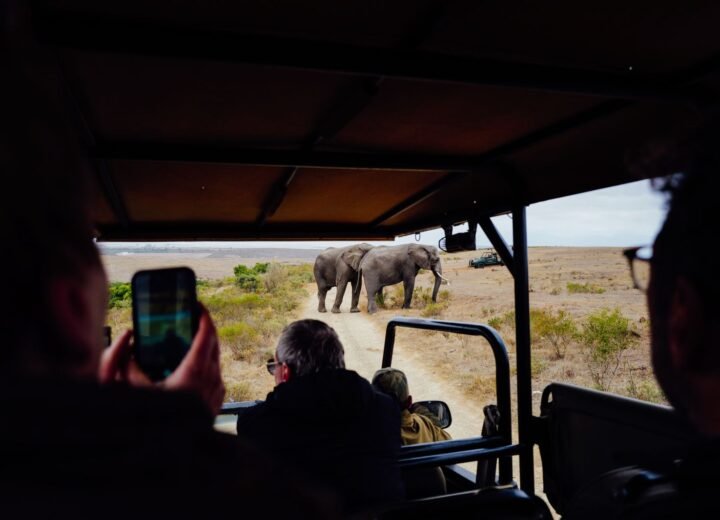
A family safari succeeds when the day includes variety and recovery time. Shorter game-drive blocks, wildlife tracking, junior-ranger activities, cultural encounters and relaxed lodge time can be more memorable than an all-day vehicle schedule. A private vehicle gives the guide freedom to stop for meals, bathrooms or an early return.
Questions to ask before confirming
Ask which services are private, which are shared, what happens when weather or operations change, how emergency support is handled, which payments are non-refundable and whether the quoted room category is actually available. Confirm the luggage allowance, arrival and departure handovers, dietary or mobility arrangements, guide language, payment schedule and the exact activities included on each day. These questions protect both the traveler and the operator by replacing assumptions with a shared written plan.
Continue planning with Africa Gorilla Trips
Use the destination library to understand the places behind this subject, compare duration-numbered safari packages, read related advice in the Safari Journal and submit the detailed safari inquiry form. Africa Gorilla Trips is based in Uganda and can combine local gorilla and primate expertise with carefully coordinated wildlife, cultural and beach journeys across East Africa.

Written by
twinomujunialbert06@gmail.com
East Africa safari specialist sharing practical destination knowledge and thoughtful planning advice.