
Uganda Fly-In Safaris
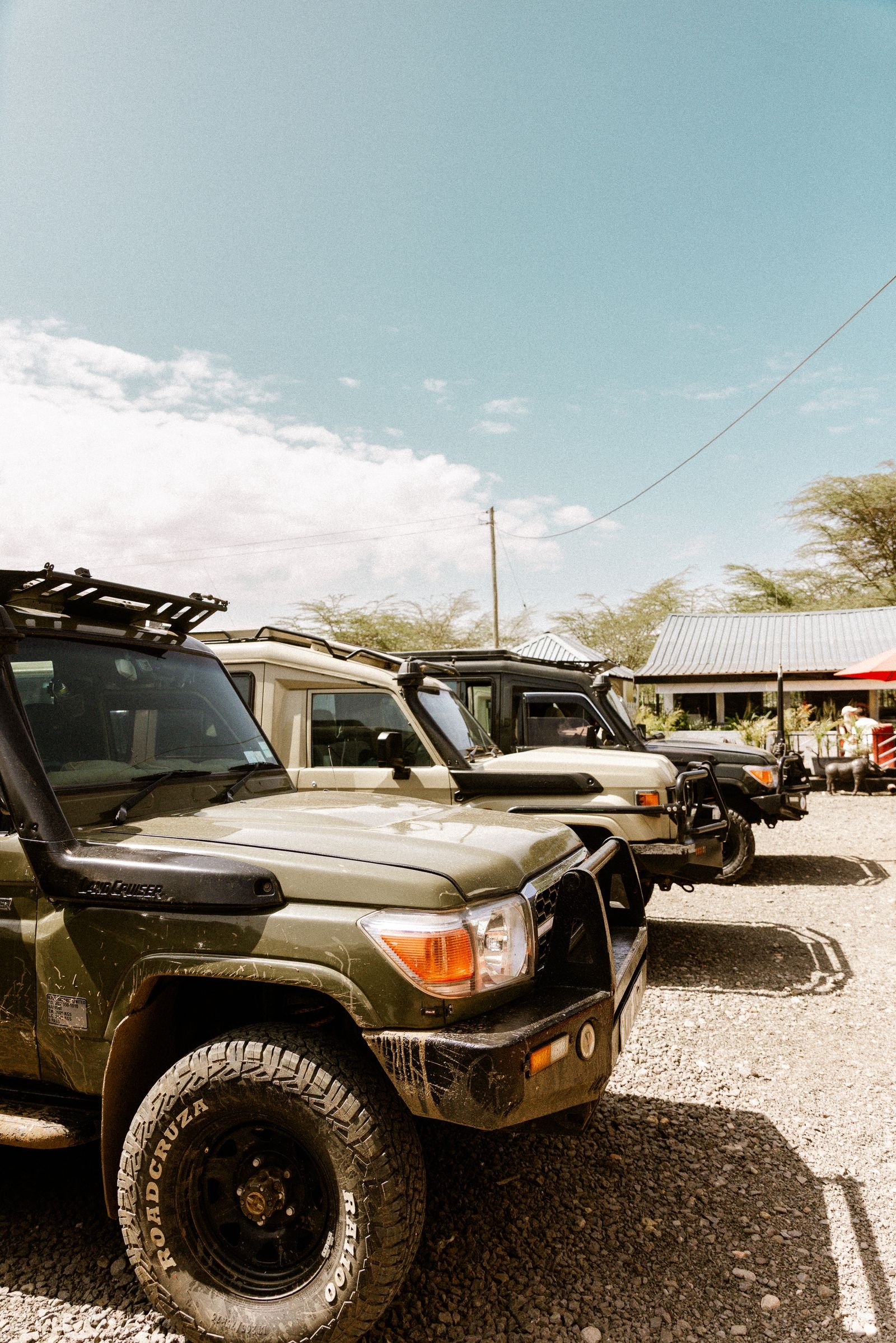
Uganda Fly-In Safaris is designed as a detailed planning resource for travelers who want to understand the destination or safari before asking for a quotation. The experience is centred on high-comfort safari planning shaped by excellent guiding, privileged locations, reduced transfer time and attentive service. Because East Africa combines remote protected areas, permit-controlled activities, changing road conditions, small lodges and seasonal wildlife movement, the quality of the journey depends on decisions made long before the first game drive or forest walk.
The geographical setting is Uganda’s forest, savannah, lake and highland safari circuit. Visitors can expect premier wildlife areas, remote concessions, scenic air routes, intimate camps and carefully chosen restorative settings. Access is planned through private road transfers and, where useful, scheduled regional or domestic flights arranged around arrival times, park gates, airstrips and activity schedules, and the correct route depends on flight times, park gates, lodge location, available days and the surrounding itinerary. The wildlife context includes signature East African wildlife and primates experienced with privacy, flexible pacing and expert interpretation, while seasonal planning recognises that availability at small premium camps is limited, making early planning important in high-demand seasons.
Africa Gorilla Trips is a Uganda-based safari company creating private and tailor-made journeys across Uganda, Rwanda, Kenya, Tanzania, Zanzibar, Burundi and carefully assessed destinations in eastern Democratic Republic of the Congo. The team plans budget, mid-range and luxury travel, but the standard that should remain consistent at every level is honest routing, safe transport, capable guiding, clear inclusions and responsive support.
Map and location of Uganda Fly-In Safaris
The interactive map below places this destination or safari route within East Africa. Use it to understand the relationship between international arrival points, protected areas, nearby towns, border crossings and possible extensions. Exact driving routes, park gates and airstrips are confirmed in the final itinerary because road conditions and operating schedules can change.
Understanding the journey
The strongest version of Uganda Fly-In Safaris is not built by adding activities at random; it is organised around high-comfort safari planning shaped by excellent guiding, privileged locations, reduced transfer time and attentive service. Good planning protects both the main experience and the quieter details that allow travelers to remain present rather than hurried. The page is grounded in Uganda’s forest, savannah, lake and highland safari circuit, where premier wildlife areas, remote concessions, scenic air routes, intimate camps and carefully chosen restorative settings. The practical discussion in this section concentrates on the central promise of the page and the experience it is designed to deliver, while the planning decision is how expectations, pace and priorities should be agreed before reservations are made. For Uganda Fly-In Safaris, access is normally organised through private road transfers and, where useful, scheduled regional or domestic flights arranged around arrival times, park gates, airstrips and activity schedules. Travelers should understand that published transfer times are planning estimates rather than guarantees because rain, road works, border procedures, wildlife on park roads, aircraft rotations and the position of the selected accommodation can all change the day. The central wildlife context includes signature East African wildlife and primates experienced with privacy, flexible pacing and expert interpretation. Sightings remain natural and cannot be guaranteed, so a professional guide interprets tracks, behaviour, habitat and season rather than treating the safari as a checklist. Seasonal planning should also recognise that availability at small premium camps is limited, making early planning important in high-demand seasons. A drier month may offer easier trails or concentrated animals, whereas a greener period can bring dramatic skies, fresh vegetation, young animals, fewer vehicles and excellent photographic atmosphere. Africa Gorilla Trips approaches this decision by comparing the guest’s arrival time, available days, preferred travel style, room needs, interests, budget, fitness and tolerance for long transfers. The company is based in Uganda and designs regional journeys with local operational knowledge, but every proposal still requires current confirmation from parks, lodges, transport providers and border authorities. A responsible itinerary explains what is included, where uncertainty remains and how alternatives will be handled. This is particularly important when permits, small camps, domestic flights or cross-border sectors are involved. Travelers should share passport details exactly as required, disclose medical or mobility considerations early, and obtain comprehensive travel insurance that covers the planned activities and destinations. The strongest plan for Uganda Fly-In Safaris therefore combines ambition with restraint. It preserves the experience described by the page while avoiding unnecessary hotel changes, unrealistic driving schedules and marketing promises that cannot be controlled. That approach creates more time for landscape, wildlife, culture, conversation and rest—the elements that usually become the most memorable parts of an East African journey.
For travelers considering Uganda Fly-In Safaris, the first planning principle is that high-comfort safari planning shaped by excellent guiding, privileged locations, reduced transfer time and attentive service. Good planning protects both the main experience and the quieter details that allow travelers to remain present rather than hurried. The page is grounded in Uganda’s forest, savannah, lake and highland safari circuit, where premier wildlife areas, remote concessions, scenic air routes, intimate camps and carefully chosen restorative settings. The practical discussion in this section concentrates on the central promise of the page and the experience it is designed to deliver, while the planning decision is how expectations, pace and priorities should be agreed before reservations are made. For Uganda Fly-In Safaris, access is normally organised through private road transfers and, where useful, scheduled regional or domestic flights arranged around arrival times, park gates, airstrips and activity schedules. Travelers should understand that published transfer times are planning estimates rather than guarantees because rain, road works, border procedures, wildlife on park roads, aircraft rotations and the position of the selected accommodation can all change the day. The central wildlife context includes signature East African wildlife and primates experienced with privacy, flexible pacing and expert interpretation. Sightings remain natural and cannot be guaranteed, so a professional guide interprets tracks, behaviour, habitat and season rather than treating the safari as a checklist. Seasonal planning should also recognise that availability at small premium camps is limited, making early planning important in high-demand seasons. A drier month may offer easier trails or concentrated animals, whereas a greener period can bring dramatic skies, fresh vegetation, young animals, fewer vehicles and excellent photographic atmosphere. Africa Gorilla Trips approaches this decision by comparing the guest’s arrival time, available days, preferred travel style, room needs, interests, budget, fitness and tolerance for long transfers. The company is based in Uganda and designs regional journeys with local operational knowledge, but every proposal still requires current confirmation from parks, lodges, transport providers and border authorities. A responsible itinerary explains what is included, where uncertainty remains and how alternatives will be handled. This is particularly important when permits, small camps, domestic flights or cross-border sectors are involved. Travelers should share passport details exactly as required, disclose medical or mobility considerations early, and obtain comprehensive travel insurance that covers the planned activities and destinations. The strongest plan for Uganda Fly-In Safaris therefore combines ambition with restraint. It preserves the experience described by the page while avoiding unnecessary hotel changes, unrealistic driving schedules and marketing promises that cannot be controlled. That approach creates more time for landscape, wildlife, culture, conversation and rest—the elements that usually become the most memorable parts of an East African journey.
Why this experience matters
For travelers considering Uganda Fly-In Safaris, the first planning principle is that high-comfort safari planning shaped by excellent guiding, privileged locations, reduced transfer time and attentive service. That principle influences the order of the route, the location of each overnight stay and the amount of energy expected on consecutive days. The page is grounded in Uganda’s forest, savannah, lake and highland safari circuit, where premier wildlife areas, remote concessions, scenic air routes, intimate camps and carefully chosen restorative settings. The practical discussion in this section concentrates on the emotional, ecological and cultural value that gives the journey meaning, while the planning decision is how a memorable safari is created by context rather than by collecting attractions. For Uganda Fly-In Safaris, access is normally organised through private road transfers and, where useful, scheduled regional or domestic flights arranged around arrival times, park gates, airstrips and activity schedules. Travelers should understand that published transfer times are planning estimates rather than guarantees because rain, road works, border procedures, wildlife on park roads, aircraft rotations and the position of the selected accommodation can all change the day. The central wildlife context includes signature East African wildlife and primates experienced with privacy, flexible pacing and expert interpretation. Sightings remain natural and cannot be guaranteed, so a professional guide interprets tracks, behaviour, habitat and season rather than treating the safari as a checklist. Seasonal planning should also recognise that availability at small premium camps is limited, making early planning important in high-demand seasons. A drier month may offer easier trails or concentrated animals, whereas a greener period can bring dramatic skies, fresh vegetation, young animals, fewer vehicles and excellent photographic atmosphere. Africa Gorilla Trips approaches this decision by comparing the guest’s arrival time, available days, preferred travel style, room needs, interests, budget, fitness and tolerance for long transfers. The company is based in Uganda and designs regional journeys with local operational knowledge, but every proposal still requires current confirmation from parks, lodges, transport providers and border authorities. A responsible itinerary explains what is included, where uncertainty remains and how alternatives will be handled. This is particularly important when permits, small camps, domestic flights or cross-border sectors are involved. Travelers should share passport details exactly as required, disclose medical or mobility considerations early, and obtain comprehensive travel insurance that covers the planned activities and destinations. The strongest plan for Uganda Fly-In Safaris therefore combines ambition with restraint. It preserves the experience described by the page while avoiding unnecessary hotel changes, unrealistic driving schedules and marketing promises that cannot be controlled. That approach creates more time for landscape, wildlife, culture, conversation and rest—the elements that usually become the most memorable parts of an East African journey.
Uganda Fly-In Safaris becomes far more rewarding when the itinerary treats high-comfort safari planning shaped by excellent guiding, privileged locations, reduced transfer time and attentive service as its central idea. It also determines whether a road transfer feels like part of the journey or an exhausting interruption between headline experiences. The page is grounded in Uganda’s forest, savannah, lake and highland safari circuit, where premier wildlife areas, remote concessions, scenic air routes, intimate camps and carefully chosen restorative settings. The practical discussion in this section concentrates on the emotional, ecological and cultural value that gives the journey meaning, while the planning decision is how a memorable safari is created by context rather than by collecting attractions. For Uganda Fly-In Safaris, access is normally organised through private road transfers and, where useful, scheduled regional or domestic flights arranged around arrival times, park gates, airstrips and activity schedules. Travelers should understand that published transfer times are planning estimates rather than guarantees because rain, road works, border procedures, wildlife on park roads, aircraft rotations and the position of the selected accommodation can all change the day. The central wildlife context includes signature East African wildlife and primates experienced with privacy, flexible pacing and expert interpretation. Sightings remain natural and cannot be guaranteed, so a professional guide interprets tracks, behaviour, habitat and season rather than treating the safari as a checklist. Seasonal planning should also recognise that availability at small premium camps is limited, making early planning important in high-demand seasons. A drier month may offer easier trails or concentrated animals, whereas a greener period can bring dramatic skies, fresh vegetation, young animals, fewer vehicles and excellent photographic atmosphere. Africa Gorilla Trips approaches this decision by comparing the guest’s arrival time, available days, preferred travel style, room needs, interests, budget, fitness and tolerance for long transfers. The company is based in Uganda and designs regional journeys with local operational knowledge, but every proposal still requires current confirmation from parks, lodges, transport providers and border authorities. A responsible itinerary explains what is included, where uncertainty remains and how alternatives will be handled. This is particularly important when permits, small camps, domestic flights or cross-border sectors are involved. Travelers should share passport details exactly as required, disclose medical or mobility considerations early, and obtain comprehensive travel insurance that covers the planned activities and destinations. The strongest plan for Uganda Fly-In Safaris therefore combines ambition with restraint. It preserves the experience described by the page while avoiding unnecessary hotel changes, unrealistic driving schedules and marketing promises that cannot be controlled. That approach creates more time for landscape, wildlife, culture, conversation and rest—the elements that usually become the most memorable parts of an East African journey.
Geographic setting and regional connections
A useful way to understand Uganda Fly-In Safaris is to begin with high-comfort safari planning shaped by excellent guiding, privileged locations, reduced transfer time and attentive service. It also determines whether a road transfer feels like part of the journey or an exhausting interruption between headline experiences. The page is grounded in Uganda’s forest, savannah, lake and highland safari circuit, where premier wildlife areas, remote concessions, scenic air routes, intimate camps and carefully chosen restorative settings. The practical discussion in this section concentrates on the destination’s position within the wider East African circuit, while the planning decision is how geography affects transfer time, border choices, flight options and sensible combinations. For Uganda Fly-In Safaris, access is normally organised through private road transfers and, where useful, scheduled regional or domestic flights arranged around arrival times, park gates, airstrips and activity schedules. Travelers should understand that published transfer times are planning estimates rather than guarantees because rain, road works, border procedures, wildlife on park roads, aircraft rotations and the position of the selected accommodation can all change the day. The central wildlife context includes signature East African wildlife and primates experienced with privacy, flexible pacing and expert interpretation. Sightings remain natural and cannot be guaranteed, so a professional guide interprets tracks, behaviour, habitat and season rather than treating the safari as a checklist. Seasonal planning should also recognise that availability at small premium camps is limited, making early planning important in high-demand seasons. A drier month may offer easier trails or concentrated animals, whereas a greener period can bring dramatic skies, fresh vegetation, young animals, fewer vehicles and excellent photographic atmosphere. Africa Gorilla Trips approaches this decision by comparing the guest’s arrival time, available days, preferred travel style, room needs, interests, budget, fitness and tolerance for long transfers. The company is based in Uganda and designs regional journeys with local operational knowledge, but every proposal still requires current confirmation from parks, lodges, transport providers and border authorities. A responsible itinerary explains what is included, where uncertainty remains and how alternatives will be handled. This is particularly important when permits, small camps, domestic flights or cross-border sectors are involved. Travelers should share passport details exactly as required, disclose medical or mobility considerations early, and obtain comprehensive travel insurance that covers the planned activities and destinations. The strongest plan for Uganda Fly-In Safaris therefore combines ambition with restraint. It preserves the experience described by the page while avoiding unnecessary hotel changes, unrealistic driving schedules and marketing promises that cannot be controlled. That approach creates more time for landscape, wildlife, culture, conversation and rest—the elements that usually become the most memorable parts of an East African journey.
The strongest version of Uganda Fly-In Safaris is not built by adding activities at random; it is organised around high-comfort safari planning shaped by excellent guiding, privileged locations, reduced transfer time and attentive service. It also determines whether a road transfer feels like part of the journey or an exhausting interruption between headline experiences. The page is grounded in Uganda’s forest, savannah, lake and highland safari circuit, where premier wildlife areas, remote concessions, scenic air routes, intimate camps and carefully chosen restorative settings. The practical discussion in this section concentrates on the destination’s position within the wider East African circuit, while the planning decision is how geography affects transfer time, border choices, flight options and sensible combinations. For Uganda Fly-In Safaris, access is normally organised through private road transfers and, where useful, scheduled regional or domestic flights arranged around arrival times, park gates, airstrips and activity schedules. Travelers should understand that published transfer times are planning estimates rather than guarantees because rain, road works, border procedures, wildlife on park roads, aircraft rotations and the position of the selected accommodation can all change the day. The central wildlife context includes signature East African wildlife and primates experienced with privacy, flexible pacing and expert interpretation. Sightings remain natural and cannot be guaranteed, so a professional guide interprets tracks, behaviour, habitat and season rather than treating the safari as a checklist. Seasonal planning should also recognise that availability at small premium camps is limited, making early planning important in high-demand seasons. A drier month may offer easier trails or concentrated animals, whereas a greener period can bring dramatic skies, fresh vegetation, young animals, fewer vehicles and excellent photographic atmosphere. Africa Gorilla Trips approaches this decision by comparing the guest’s arrival time, available days, preferred travel style, room needs, interests, budget, fitness and tolerance for long transfers. The company is based in Uganda and designs regional journeys with local operational knowledge, but every proposal still requires current confirmation from parks, lodges, transport providers and border authorities. A responsible itinerary explains what is included, where uncertainty remains and how alternatives will be handled. This is particularly important when permits, small camps, domestic flights or cross-border sectors are involved. Travelers should share passport details exactly as required, disclose medical or mobility considerations early, and obtain comprehensive travel insurance that covers the planned activities and destinations. The strongest plan for Uganda Fly-In Safaris therefore combines ambition with restraint. It preserves the experience described by the page while avoiding unnecessary hotel changes, unrealistic driving schedules and marketing promises that cannot be controlled. That approach creates more time for landscape, wildlife, culture, conversation and rest—the elements that usually become the most memorable parts of an East African journey.
Landscape, habitat and atmosphere
The strongest version of Uganda Fly-In Safaris is not built by adding activities at random; it is organised around high-comfort safari planning shaped by excellent guiding, privileged locations, reduced transfer time and attentive service. Good planning protects both the main experience and the quieter details that allow travelers to remain present rather than hurried. The page is grounded in Uganda’s forest, savannah, lake and highland safari circuit, where premier wildlife areas, remote concessions, scenic air routes, intimate camps and carefully chosen restorative settings. The practical discussion in this section concentrates on the physical character of the destination and the way it changes through the day, while the planning decision is how terrain and habitat shape activities, photography, comfort and wildlife movement. For Uganda Fly-In Safaris, access is normally organised through private road transfers and, where useful, scheduled regional or domestic flights arranged around arrival times, park gates, airstrips and activity schedules. Travelers should understand that published transfer times are planning estimates rather than guarantees because rain, road works, border procedures, wildlife on park roads, aircraft rotations and the position of the selected accommodation can all change the day. The central wildlife context includes signature East African wildlife and primates experienced with privacy, flexible pacing and expert interpretation. Sightings remain natural and cannot be guaranteed, so a professional guide interprets tracks, behaviour, habitat and season rather than treating the safari as a checklist. Seasonal planning should also recognise that availability at small premium camps is limited, making early planning important in high-demand seasons. A drier month may offer easier trails or concentrated animals, whereas a greener period can bring dramatic skies, fresh vegetation, young animals, fewer vehicles and excellent photographic atmosphere. Africa Gorilla Trips approaches this decision by comparing the guest’s arrival time, available days, preferred travel style, room needs, interests, budget, fitness and tolerance for long transfers. The company is based in Uganda and designs regional journeys with local operational knowledge, but every proposal still requires current confirmation from parks, lodges, transport providers and border authorities. A responsible itinerary explains what is included, where uncertainty remains and how alternatives will be handled. This is particularly important when permits, small camps, domestic flights or cross-border sectors are involved. Travelers should share passport details exactly as required, disclose medical or mobility considerations early, and obtain comprehensive travel insurance that covers the planned activities and destinations. The strongest plan for Uganda Fly-In Safaris therefore combines ambition with restraint. It preserves the experience described by the page while avoiding unnecessary hotel changes, unrealistic driving schedules and marketing promises that cannot be controlled. That approach creates more time for landscape, wildlife, culture, conversation and rest—the elements that usually become the most memorable parts of an East African journey.
For travelers considering Uganda Fly-In Safaris, the first planning principle is that high-comfort safari planning shaped by excellent guiding, privileged locations, reduced transfer time and attentive service. Good planning protects both the main experience and the quieter details that allow travelers to remain present rather than hurried. The page is grounded in Uganda’s forest, savannah, lake and highland safari circuit, where premier wildlife areas, remote concessions, scenic air routes, intimate camps and carefully chosen restorative settings. The practical discussion in this section concentrates on the physical character of the destination and the way it changes through the day, while the planning decision is how terrain and habitat shape activities, photography, comfort and wildlife movement. For Uganda Fly-In Safaris, access is normally organised through private road transfers and, where useful, scheduled regional or domestic flights arranged around arrival times, park gates, airstrips and activity schedules. Travelers should understand that published transfer times are planning estimates rather than guarantees because rain, road works, border procedures, wildlife on park roads, aircraft rotations and the position of the selected accommodation can all change the day. The central wildlife context includes signature East African wildlife and primates experienced with privacy, flexible pacing and expert interpretation. Sightings remain natural and cannot be guaranteed, so a professional guide interprets tracks, behaviour, habitat and season rather than treating the safari as a checklist. Seasonal planning should also recognise that availability at small premium camps is limited, making early planning important in high-demand seasons. A drier month may offer easier trails or concentrated animals, whereas a greener period can bring dramatic skies, fresh vegetation, young animals, fewer vehicles and excellent photographic atmosphere. Africa Gorilla Trips approaches this decision by comparing the guest’s arrival time, available days, preferred travel style, room needs, interests, budget, fitness and tolerance for long transfers. The company is based in Uganda and designs regional journeys with local operational knowledge, but every proposal still requires current confirmation from parks, lodges, transport providers and border authorities. A responsible itinerary explains what is included, where uncertainty remains and how alternatives will be handled. This is particularly important when permits, small camps, domestic flights or cross-border sectors are involved. Travelers should share passport details exactly as required, disclose medical or mobility considerations early, and obtain comprehensive travel insurance that covers the planned activities and destinations. The strongest plan for Uganda Fly-In Safaris therefore combines ambition with restraint. It preserves the experience described by the page while avoiding unnecessary hotel changes, unrealistic driving schedules and marketing promises that cannot be controlled. That approach creates more time for landscape, wildlife, culture, conversation and rest—the elements that usually become the most memorable parts of an East African journey.
Wildlife and signature encounters
The strongest version of Uganda Fly-In Safaris is not built by adding activities at random; it is organised around high-comfort safari planning shaped by excellent guiding, privileged locations, reduced transfer time and attentive service. That principle influences the order of the route, the location of each overnight stay and the amount of energy expected on consecutive days. The page is grounded in Uganda’s forest, savannah, lake and highland safari circuit, where premier wildlife areas, remote concessions, scenic air routes, intimate camps and carefully chosen restorative settings. The practical discussion in this section concentrates on the animals and natural experiences most closely associated with the journey, while the planning decision is how guides manage uncertainty and avoid promising sightings that nature cannot guarantee. For Uganda Fly-In Safaris, access is normally organised through private road transfers and, where useful, scheduled regional or domestic flights arranged around arrival times, park gates, airstrips and activity schedules. Travelers should understand that published transfer times are planning estimates rather than guarantees because rain, road works, border procedures, wildlife on park roads, aircraft rotations and the position of the selected accommodation can all change the day. The central wildlife context includes signature East African wildlife and primates experienced with privacy, flexible pacing and expert interpretation. Sightings remain natural and cannot be guaranteed, so a professional guide interprets tracks, behaviour, habitat and season rather than treating the safari as a checklist. Seasonal planning should also recognise that availability at small premium camps is limited, making early planning important in high-demand seasons. A drier month may offer easier trails or concentrated animals, whereas a greener period can bring dramatic skies, fresh vegetation, young animals, fewer vehicles and excellent photographic atmosphere. Africa Gorilla Trips approaches this decision by comparing the guest’s arrival time, available days, preferred travel style, room needs, interests, budget, fitness and tolerance for long transfers. The company is based in Uganda and designs regional journeys with local operational knowledge, but every proposal still requires current confirmation from parks, lodges, transport providers and border authorities. A responsible itinerary explains what is included, where uncertainty remains and how alternatives will be handled. This is particularly important when permits, small camps, domestic flights or cross-border sectors are involved. Travelers should share passport details exactly as required, disclose medical or mobility considerations early, and obtain comprehensive travel insurance that covers the planned activities and destinations. The strongest plan for Uganda Fly-In Safaris therefore combines ambition with restraint. It preserves the experience described by the page while avoiding unnecessary hotel changes, unrealistic driving schedules and marketing promises that cannot be controlled. That approach creates more time for landscape, wildlife, culture, conversation and rest—the elements that usually become the most memorable parts of an East African journey.
For travelers considering Uganda Fly-In Safaris, the first planning principle is that high-comfort safari planning shaped by excellent guiding, privileged locations, reduced transfer time and attentive service. That principle influences the order of the route, the location of each overnight stay and the amount of energy expected on consecutive days. The page is grounded in Uganda’s forest, savannah, lake and highland safari circuit, where premier wildlife areas, remote concessions, scenic air routes, intimate camps and carefully chosen restorative settings. The practical discussion in this section concentrates on the animals and natural experiences most closely associated with the journey, while the planning decision is how guides manage uncertainty and avoid promising sightings that nature cannot guarantee. For Uganda Fly-In Safaris, access is normally organised through private road transfers and, where useful, scheduled regional or domestic flights arranged around arrival times, park gates, airstrips and activity schedules. Travelers should understand that published transfer times are planning estimates rather than guarantees because rain, road works, border procedures, wildlife on park roads, aircraft rotations and the position of the selected accommodation can all change the day. The central wildlife context includes signature East African wildlife and primates experienced with privacy, flexible pacing and expert interpretation. Sightings remain natural and cannot be guaranteed, so a professional guide interprets tracks, behaviour, habitat and season rather than treating the safari as a checklist. Seasonal planning should also recognise that availability at small premium camps is limited, making early planning important in high-demand seasons. A drier month may offer easier trails or concentrated animals, whereas a greener period can bring dramatic skies, fresh vegetation, young animals, fewer vehicles and excellent photographic atmosphere. Africa Gorilla Trips approaches this decision by comparing the guest’s arrival time, available days, preferred travel style, room needs, interests, budget, fitness and tolerance for long transfers. The company is based in Uganda and designs regional journeys with local operational knowledge, but every proposal still requires current confirmation from parks, lodges, transport providers and border authorities. A responsible itinerary explains what is included, where uncertainty remains and how alternatives will be handled. This is particularly important when permits, small camps, domestic flights or cross-border sectors are involved. Travelers should share passport details exactly as required, disclose medical or mobility considerations early, and obtain comprehensive travel insurance that covers the planned activities and destinations. The strongest plan for Uganda Fly-In Safaris therefore combines ambition with restraint. It preserves the experience described by the page while avoiding unnecessary hotel changes, unrealistic driving schedules and marketing promises that cannot be controlled. That approach creates more time for landscape, wildlife, culture, conversation and rest—the elements that usually become the most memorable parts of an East African journey.
Designing the right pace
For travelers considering Uganda Fly-In Safaris, the first planning principle is that high-comfort safari planning shaped by excellent guiding, privileged locations, reduced transfer time and attentive service. The result should be a route that feels deliberate, with enough time for observation, recovery and unexpected moments. The page is grounded in Uganda’s forest, savannah, lake and highland safari circuit, where premier wildlife areas, remote concessions, scenic air routes, intimate camps and carefully chosen restorative settings. The practical discussion in this section concentrates on the difference between fitting places into a schedule and allowing enough time to experience them, while the planning decision is how rest, early starts, road time and activity intensity should be balanced. For Uganda Fly-In Safaris, access is normally organised through private road transfers and, where useful, scheduled regional or domestic flights arranged around arrival times, park gates, airstrips and activity schedules. Travelers should understand that published transfer times are planning estimates rather than guarantees because rain, road works, border procedures, wildlife on park roads, aircraft rotations and the position of the selected accommodation can all change the day. The central wildlife context includes signature East African wildlife and primates experienced with privacy, flexible pacing and expert interpretation. Sightings remain natural and cannot be guaranteed, so a professional guide interprets tracks, behaviour, habitat and season rather than treating the safari as a checklist. Seasonal planning should also recognise that availability at small premium camps is limited, making early planning important in high-demand seasons. A drier month may offer easier trails or concentrated animals, whereas a greener period can bring dramatic skies, fresh vegetation, young animals, fewer vehicles and excellent photographic atmosphere. Africa Gorilla Trips approaches this decision by comparing the guest’s arrival time, available days, preferred travel style, room needs, interests, budget, fitness and tolerance for long transfers. The company is based in Uganda and designs regional journeys with local operational knowledge, but every proposal still requires current confirmation from parks, lodges, transport providers and border authorities. A responsible itinerary explains what is included, where uncertainty remains and how alternatives will be handled. This is particularly important when permits, small camps, domestic flights or cross-border sectors are involved. Travelers should share passport details exactly as required, disclose medical or mobility considerations early, and obtain comprehensive travel insurance that covers the planned activities and destinations. The strongest plan for Uganda Fly-In Safaris therefore combines ambition with restraint. It preserves the experience described by the page while avoiding unnecessary hotel changes, unrealistic driving schedules and marketing promises that cannot be controlled. That approach creates more time for landscape, wildlife, culture, conversation and rest—the elements that usually become the most memorable parts of an East African journey.
Uganda Fly-In Safaris becomes far more rewarding when the itinerary treats high-comfort safari planning shaped by excellent guiding, privileged locations, reduced transfer time and attentive service as its central idea. The result should be a route that feels deliberate, with enough time for observation, recovery and unexpected moments. The page is grounded in Uganda’s forest, savannah, lake and highland safari circuit, where premier wildlife areas, remote concessions, scenic air routes, intimate camps and carefully chosen restorative settings. The practical discussion in this section concentrates on the difference between fitting places into a schedule and allowing enough time to experience them, while the planning decision is how rest, early starts, road time and activity intensity should be balanced. For Uganda Fly-In Safaris, access is normally organised through private road transfers and, where useful, scheduled regional or domestic flights arranged around arrival times, park gates, airstrips and activity schedules. Travelers should understand that published transfer times are planning estimates rather than guarantees because rain, road works, border procedures, wildlife on park roads, aircraft rotations and the position of the selected accommodation can all change the day. The central wildlife context includes signature East African wildlife and primates experienced with privacy, flexible pacing and expert interpretation. Sightings remain natural and cannot be guaranteed, so a professional guide interprets tracks, behaviour, habitat and season rather than treating the safari as a checklist. Seasonal planning should also recognise that availability at small premium camps is limited, making early planning important in high-demand seasons. A drier month may offer easier trails or concentrated animals, whereas a greener period can bring dramatic skies, fresh vegetation, young animals, fewer vehicles and excellent photographic atmosphere. Africa Gorilla Trips approaches this decision by comparing the guest’s arrival time, available days, preferred travel style, room needs, interests, budget, fitness and tolerance for long transfers. The company is based in Uganda and designs regional journeys with local operational knowledge, but every proposal still requires current confirmation from parks, lodges, transport providers and border authorities. A responsible itinerary explains what is included, where uncertainty remains and how alternatives will be handled. This is particularly important when permits, small camps, domestic flights or cross-border sectors are involved. Travelers should share passport details exactly as required, disclose medical or mobility considerations early, and obtain comprehensive travel insurance that covers the planned activities and destinations. The strongest plan for Uganda Fly-In Safaris therefore combines ambition with restraint. It preserves the experience described by the page while avoiding unnecessary hotel changes, unrealistic driving schedules and marketing promises that cannot be controlled. That approach creates more time for landscape, wildlife, culture, conversation and rest—the elements that usually become the most memorable parts of an East African journey.
Arrival planning and first-night strategy
Uganda Fly-In Safaris becomes far more rewarding when the itinerary treats high-comfort safari planning shaped by excellent guiding, privileged locations, reduced transfer time and attentive service as its central idea. The result should be a route that feels deliberate, with enough time for observation, recovery and unexpected moments. The page is grounded in Uganda’s forest, savannah, lake and highland safari circuit, where premier wildlife areas, remote concessions, scenic air routes, intimate camps and carefully chosen restorative settings. The practical discussion in this section concentrates on the importance of the international arrival time and a realistic first day, while the planning decision is when a pre-night protects the rest of the itinerary from fatigue and flight delays. For Uganda Fly-In Safaris, access is normally organised through private road transfers and, where useful, scheduled regional or domestic flights arranged around arrival times, park gates, airstrips and activity schedules. Travelers should understand that published transfer times are planning estimates rather than guarantees because rain, road works, border procedures, wildlife on park roads, aircraft rotations and the position of the selected accommodation can all change the day. The central wildlife context includes signature East African wildlife and primates experienced with privacy, flexible pacing and expert interpretation. Sightings remain natural and cannot be guaranteed, so a professional guide interprets tracks, behaviour, habitat and season rather than treating the safari as a checklist. Seasonal planning should also recognise that availability at small premium camps is limited, making early planning important in high-demand seasons. A drier month may offer easier trails or concentrated animals, whereas a greener period can bring dramatic skies, fresh vegetation, young animals, fewer vehicles and excellent photographic atmosphere. Africa Gorilla Trips approaches this decision by comparing the guest’s arrival time, available days, preferred travel style, room needs, interests, budget, fitness and tolerance for long transfers. The company is based in Uganda and designs regional journeys with local operational knowledge, but every proposal still requires current confirmation from parks, lodges, transport providers and border authorities. A responsible itinerary explains what is included, where uncertainty remains and how alternatives will be handled. This is particularly important when permits, small camps, domestic flights or cross-border sectors are involved. Travelers should share passport details exactly as required, disclose medical or mobility considerations early, and obtain comprehensive travel insurance that covers the planned activities and destinations. The strongest plan for Uganda Fly-In Safaris therefore combines ambition with restraint. It preserves the experience described by the page while avoiding unnecessary hotel changes, unrealistic driving schedules and marketing promises that cannot be controlled. That approach creates more time for landscape, wildlife, culture, conversation and rest—the elements that usually become the most memorable parts of an East African journey.
A useful way to understand Uganda Fly-In Safaris is to begin with high-comfort safari planning shaped by excellent guiding, privileged locations, reduced transfer time and attentive service. The result should be a route that feels deliberate, with enough time for observation, recovery and unexpected moments. The page is grounded in Uganda’s forest, savannah, lake and highland safari circuit, where premier wildlife areas, remote concessions, scenic air routes, intimate camps and carefully chosen restorative settings. The practical discussion in this section concentrates on the importance of the international arrival time and a realistic first day, while the planning decision is when a pre-night protects the rest of the itinerary from fatigue and flight delays. For Uganda Fly-In Safaris, access is normally organised through private road transfers and, where useful, scheduled regional or domestic flights arranged around arrival times, park gates, airstrips and activity schedules. Travelers should understand that published transfer times are planning estimates rather than guarantees because rain, road works, border procedures, wildlife on park roads, aircraft rotations and the position of the selected accommodation can all change the day. The central wildlife context includes signature East African wildlife and primates experienced with privacy, flexible pacing and expert interpretation. Sightings remain natural and cannot be guaranteed, so a professional guide interprets tracks, behaviour, habitat and season rather than treating the safari as a checklist. Seasonal planning should also recognise that availability at small premium camps is limited, making early planning important in high-demand seasons. A drier month may offer easier trails or concentrated animals, whereas a greener period can bring dramatic skies, fresh vegetation, young animals, fewer vehicles and excellent photographic atmosphere. Africa Gorilla Trips approaches this decision by comparing the guest’s arrival time, available days, preferred travel style, room needs, interests, budget, fitness and tolerance for long transfers. The company is based in Uganda and designs regional journeys with local operational knowledge, but every proposal still requires current confirmation from parks, lodges, transport providers and border authorities. A responsible itinerary explains what is included, where uncertainty remains and how alternatives will be handled. This is particularly important when permits, small camps, domestic flights or cross-border sectors are involved. Travelers should share passport details exactly as required, disclose medical or mobility considerations early, and obtain comprehensive travel insurance that covers the planned activities and destinations. The strongest plan for Uganda Fly-In Safaris therefore combines ambition with restraint. It preserves the experience described by the page while avoiding unnecessary hotel changes, unrealistic driving schedules and marketing promises that cannot be controlled. That approach creates more time for landscape, wildlife, culture, conversation and rest—the elements that usually become the most memorable parts of an East African journey.
Road transfers and scenic travel
For travelers considering Uganda Fly-In Safaris, the first planning principle is that high-comfort safari planning shaped by excellent guiding, privileged locations, reduced transfer time and attentive service. The result should be a route that feels deliberate, with enough time for observation, recovery and unexpected moments. The page is grounded in Uganda’s forest, savannah, lake and highland safari circuit, where premier wildlife areas, remote concessions, scenic air routes, intimate camps and carefully chosen restorative settings. The practical discussion in this section concentrates on the value and practical reality of overland journeys in East Africa, while the planning decision is how vehicle quality, road conditions, refreshment stops and border time influence comfort. For Uganda Fly-In Safaris, access is normally organised through private road transfers and, where useful, scheduled regional or domestic flights arranged around arrival times, park gates, airstrips and activity schedules. Travelers should understand that published transfer times are planning estimates rather than guarantees because rain, road works, border procedures, wildlife on park roads, aircraft rotations and the position of the selected accommodation can all change the day. The central wildlife context includes signature East African wildlife and primates experienced with privacy, flexible pacing and expert interpretation. Sightings remain natural and cannot be guaranteed, so a professional guide interprets tracks, behaviour, habitat and season rather than treating the safari as a checklist. Seasonal planning should also recognise that availability at small premium camps is limited, making early planning important in high-demand seasons. A drier month may offer easier trails or concentrated animals, whereas a greener period can bring dramatic skies, fresh vegetation, young animals, fewer vehicles and excellent photographic atmosphere. Africa Gorilla Trips approaches this decision by comparing the guest’s arrival time, available days, preferred travel style, room needs, interests, budget, fitness and tolerance for long transfers. The company is based in Uganda and designs regional journeys with local operational knowledge, but every proposal still requires current confirmation from parks, lodges, transport providers and border authorities. A responsible itinerary explains what is included, where uncertainty remains and how alternatives will be handled. This is particularly important when permits, small camps, domestic flights or cross-border sectors are involved. Travelers should share passport details exactly as required, disclose medical or mobility considerations early, and obtain comprehensive travel insurance that covers the planned activities and destinations. The strongest plan for Uganda Fly-In Safaris therefore combines ambition with restraint. It preserves the experience described by the page while avoiding unnecessary hotel changes, unrealistic driving schedules and marketing promises that cannot be controlled. That approach creates more time for landscape, wildlife, culture, conversation and rest—the elements that usually become the most memorable parts of an East African journey.
Uganda Fly-In Safaris becomes far more rewarding when the itinerary treats high-comfort safari planning shaped by excellent guiding, privileged locations, reduced transfer time and attentive service as its central idea. The result should be a route that feels deliberate, with enough time for observation, recovery and unexpected moments. The page is grounded in Uganda’s forest, savannah, lake and highland safari circuit, where premier wildlife areas, remote concessions, scenic air routes, intimate camps and carefully chosen restorative settings. The practical discussion in this section concentrates on the value and practical reality of overland journeys in East Africa, while the planning decision is how vehicle quality, road conditions, refreshment stops and border time influence comfort. For Uganda Fly-In Safaris, access is normally organised through private road transfers and, where useful, scheduled regional or domestic flights arranged around arrival times, park gates, airstrips and activity schedules. Travelers should understand that published transfer times are planning estimates rather than guarantees because rain, road works, border procedures, wildlife on park roads, aircraft rotations and the position of the selected accommodation can all change the day. The central wildlife context includes signature East African wildlife and primates experienced with privacy, flexible pacing and expert interpretation. Sightings remain natural and cannot be guaranteed, so a professional guide interprets tracks, behaviour, habitat and season rather than treating the safari as a checklist. Seasonal planning should also recognise that availability at small premium camps is limited, making early planning important in high-demand seasons. A drier month may offer easier trails or concentrated animals, whereas a greener period can bring dramatic skies, fresh vegetation, young animals, fewer vehicles and excellent photographic atmosphere. Africa Gorilla Trips approaches this decision by comparing the guest’s arrival time, available days, preferred travel style, room needs, interests, budget, fitness and tolerance for long transfers. The company is based in Uganda and designs regional journeys with local operational knowledge, but every proposal still requires current confirmation from parks, lodges, transport providers and border authorities. A responsible itinerary explains what is included, where uncertainty remains and how alternatives will be handled. This is particularly important when permits, small camps, domestic flights or cross-border sectors are involved. Travelers should share passport details exactly as required, disclose medical or mobility considerations early, and obtain comprehensive travel insurance that covers the planned activities and destinations. The strongest plan for Uganda Fly-In Safaris therefore combines ambition with restraint. It preserves the experience described by the page while avoiding unnecessary hotel changes, unrealistic driving schedules and marketing promises that cannot be controlled. That approach creates more time for landscape, wildlife, culture, conversation and rest—the elements that usually become the most memorable parts of an East African journey.
Flying sectors and luggage planning
A useful way to understand Uganda Fly-In Safaris is to begin with high-comfort safari planning shaped by excellent guiding, privileged locations, reduced transfer time and attentive service. That principle influences the order of the route, the location of each overnight stay and the amount of energy expected on consecutive days. The page is grounded in Uganda’s forest, savannah, lake and highland safari circuit, where premier wildlife areas, remote concessions, scenic air routes, intimate camps and carefully chosen restorative settings. The practical discussion in this section concentrates on where domestic or regional flights can improve the itinerary, while the planning decision is how baggage limits, airstrip transfers and weather contingencies should be handled. For Uganda Fly-In Safaris, access is normally organised through private road transfers and, where useful, scheduled regional or domestic flights arranged around arrival times, park gates, airstrips and activity schedules. Travelers should understand that published transfer times are planning estimates rather than guarantees because rain, road works, border procedures, wildlife on park roads, aircraft rotations and the position of the selected accommodation can all change the day. The central wildlife context includes signature East African wildlife and primates experienced with privacy, flexible pacing and expert interpretation. Sightings remain natural and cannot be guaranteed, so a professional guide interprets tracks, behaviour, habitat and season rather than treating the safari as a checklist. Seasonal planning should also recognise that availability at small premium camps is limited, making early planning important in high-demand seasons. A drier month may offer easier trails or concentrated animals, whereas a greener period can bring dramatic skies, fresh vegetation, young animals, fewer vehicles and excellent photographic atmosphere. Africa Gorilla Trips approaches this decision by comparing the guest’s arrival time, available days, preferred travel style, room needs, interests, budget, fitness and tolerance for long transfers. The company is based in Uganda and designs regional journeys with local operational knowledge, but every proposal still requires current confirmation from parks, lodges, transport providers and border authorities. A responsible itinerary explains what is included, where uncertainty remains and how alternatives will be handled. This is particularly important when permits, small camps, domestic flights or cross-border sectors are involved. Travelers should share passport details exactly as required, disclose medical or mobility considerations early, and obtain comprehensive travel insurance that covers the planned activities and destinations. The strongest plan for Uganda Fly-In Safaris therefore combines ambition with restraint. It preserves the experience described by the page while avoiding unnecessary hotel changes, unrealistic driving schedules and marketing promises that cannot be controlled. That approach creates more time for landscape, wildlife, culture, conversation and rest—the elements that usually become the most memorable parts of an East African journey.
The strongest version of Uganda Fly-In Safaris is not built by adding activities at random; it is organised around high-comfort safari planning shaped by excellent guiding, privileged locations, reduced transfer time and attentive service. That principle influences the order of the route, the location of each overnight stay and the amount of energy expected on consecutive days. The page is grounded in Uganda’s forest, savannah, lake and highland safari circuit, where premier wildlife areas, remote concessions, scenic air routes, intimate camps and carefully chosen restorative settings. The practical discussion in this section concentrates on where domestic or regional flights can improve the itinerary, while the planning decision is how baggage limits, airstrip transfers and weather contingencies should be handled. For Uganda Fly-In Safaris, access is normally organised through private road transfers and, where useful, scheduled regional or domestic flights arranged around arrival times, park gates, airstrips and activity schedules. Travelers should understand that published transfer times are planning estimates rather than guarantees because rain, road works, border procedures, wildlife on park roads, aircraft rotations and the position of the selected accommodation can all change the day. The central wildlife context includes signature East African wildlife and primates experienced with privacy, flexible pacing and expert interpretation. Sightings remain natural and cannot be guaranteed, so a professional guide interprets tracks, behaviour, habitat and season rather than treating the safari as a checklist. Seasonal planning should also recognise that availability at small premium camps is limited, making early planning important in high-demand seasons. A drier month may offer easier trails or concentrated animals, whereas a greener period can bring dramatic skies, fresh vegetation, young animals, fewer vehicles and excellent photographic atmosphere. Africa Gorilla Trips approaches this decision by comparing the guest’s arrival time, available days, preferred travel style, room needs, interests, budget, fitness and tolerance for long transfers. The company is based in Uganda and designs regional journeys with local operational knowledge, but every proposal still requires current confirmation from parks, lodges, transport providers and border authorities. A responsible itinerary explains what is included, where uncertainty remains and how alternatives will be handled. This is particularly important when permits, small camps, domestic flights or cross-border sectors are involved. Travelers should share passport details exactly as required, disclose medical or mobility considerations early, and obtain comprehensive travel insurance that covers the planned activities and destinations. The strongest plan for Uganda Fly-In Safaris therefore combines ambition with restraint. It preserves the experience described by the page while avoiding unnecessary hotel changes, unrealistic driving schedules and marketing promises that cannot be controlled. That approach creates more time for landscape, wildlife, culture, conversation and rest—the elements that usually become the most memorable parts of an East African journey.
Accommodation by location, not label
The strongest version of Uganda Fly-In Safaris is not built by adding activities at random; it is organised around high-comfort safari planning shaped by excellent guiding, privileged locations, reduced transfer time and attentive service. It also determines whether a road transfer feels like part of the journey or an exhausting interruption between headline experiences. The page is grounded in Uganda’s forest, savannah, lake and highland safari circuit, where premier wildlife areas, remote concessions, scenic air routes, intimate camps and carefully chosen restorative settings. The practical discussion in this section concentrates on why a lodge must be matched to the correct park gate, permit sector or activity area, while the planning decision is how location can matter more than a broad claim that a property is near a park. For Uganda Fly-In Safaris, access is normally organised through private road transfers and, where useful, scheduled regional or domestic flights arranged around arrival times, park gates, airstrips and activity schedules. Travelers should understand that published transfer times are planning estimates rather than guarantees because rain, road works, border procedures, wildlife on park roads, aircraft rotations and the position of the selected accommodation can all change the day. The central wildlife context includes signature East African wildlife and primates experienced with privacy, flexible pacing and expert interpretation. Sightings remain natural and cannot be guaranteed, so a professional guide interprets tracks, behaviour, habitat and season rather than treating the safari as a checklist. Seasonal planning should also recognise that availability at small premium camps is limited, making early planning important in high-demand seasons. A drier month may offer easier trails or concentrated animals, whereas a greener period can bring dramatic skies, fresh vegetation, young animals, fewer vehicles and excellent photographic atmosphere. Africa Gorilla Trips approaches this decision by comparing the guest’s arrival time, available days, preferred travel style, room needs, interests, budget, fitness and tolerance for long transfers. The company is based in Uganda and designs regional journeys with local operational knowledge, but every proposal still requires current confirmation from parks, lodges, transport providers and border authorities. A responsible itinerary explains what is included, where uncertainty remains and how alternatives will be handled. This is particularly important when permits, small camps, domestic flights or cross-border sectors are involved. Travelers should share passport details exactly as required, disclose medical or mobility considerations early, and obtain comprehensive travel insurance that covers the planned activities and destinations. The strongest plan for Uganda Fly-In Safaris therefore combines ambition with restraint. It preserves the experience described by the page while avoiding unnecessary hotel changes, unrealistic driving schedules and marketing promises that cannot be controlled. That approach creates more time for landscape, wildlife, culture, conversation and rest—the elements that usually become the most memorable parts of an East African journey.
For travelers considering Uganda Fly-In Safaris, the first planning principle is that high-comfort safari planning shaped by excellent guiding, privileged locations, reduced transfer time and attentive service. The result should be a route that feels deliberate, with enough time for observation, recovery and unexpected moments. The page is grounded in Uganda’s forest, savannah, lake and highland safari circuit, where premier wildlife areas, remote concessions, scenic air routes, intimate camps and carefully chosen restorative settings. The practical discussion in this section concentrates on why a lodge must be matched to the correct park gate, permit sector or activity area, while the planning decision is how location can matter more than a broad claim that a property is near a park. For Uganda Fly-In Safaris, access is normally organised through private road transfers and, where useful, scheduled regional or domestic flights arranged around arrival times, park gates, airstrips and activity schedules. Travelers should understand that published transfer times are planning estimates rather than guarantees because rain, road works, border procedures, wildlife on park roads, aircraft rotations and the position of the selected accommodation can all change the day. The central wildlife context includes signature East African wildlife and primates experienced with privacy, flexible pacing and expert interpretation. Sightings remain natural and cannot be guaranteed, so a professional guide interprets tracks, behaviour, habitat and season rather than treating the safari as a checklist. Seasonal planning should also recognise that availability at small premium camps is limited, making early planning important in high-demand seasons. A drier month may offer easier trails or concentrated animals, whereas a greener period can bring dramatic skies, fresh vegetation, young animals, fewer vehicles and excellent photographic atmosphere. Africa Gorilla Trips approaches this decision by comparing the guest’s arrival time, available days, preferred travel style, room needs, interests, budget, fitness and tolerance for long transfers. The company is based in Uganda and designs regional journeys with local operational knowledge, but every proposal still requires current confirmation from parks, lodges, transport providers and border authorities. A responsible itinerary explains what is included, where uncertainty remains and how alternatives will be handled. This is particularly important when permits, small camps, domestic flights or cross-border sectors are involved. Travelers should share passport details exactly as required, disclose medical or mobility considerations early, and obtain comprehensive travel insurance that covers the planned activities and destinations. The strongest plan for Uganda Fly-In Safaris therefore combines ambition with restraint. It preserves the experience described by the page while avoiding unnecessary hotel changes, unrealistic driving schedules and marketing promises that cannot be controlled. That approach creates more time for landscape, wildlife, culture, conversation and rest—the elements that usually become the most memorable parts of an East African journey.
Budget travel style
A useful way to understand Uganda Fly-In Safaris is to begin with high-comfort safari planning shaped by excellent guiding, privileged locations, reduced transfer time and attentive service. The result should be a route that feels deliberate, with enough time for observation, recovery and unexpected moments. The page is grounded in Uganda’s forest, savannah, lake and highland safari circuit, where premier wildlife areas, remote concessions, scenic air routes, intimate camps and carefully chosen restorative settings. The practical discussion in this section concentrates on what a well-run budget safari should protect and where savings are realistic, while the planning decision is why permits, safety, guide quality and reliable transport should never be compromised. For Uganda Fly-In Safaris, access is normally organised through private road transfers and, where useful, scheduled regional or domestic flights arranged around arrival times, park gates, airstrips and activity schedules. Travelers should understand that published transfer times are planning estimates rather than guarantees because rain, road works, border procedures, wildlife on park roads, aircraft rotations and the position of the selected accommodation can all change the day. The central wildlife context includes signature East African wildlife and primates experienced with privacy, flexible pacing and expert interpretation. Sightings remain natural and cannot be guaranteed, so a professional guide interprets tracks, behaviour, habitat and season rather than treating the safari as a checklist. Seasonal planning should also recognise that availability at small premium camps is limited, making early planning important in high-demand seasons. A drier month may offer easier trails or concentrated animals, whereas a greener period can bring dramatic skies, fresh vegetation, young animals, fewer vehicles and excellent photographic atmosphere. Africa Gorilla Trips approaches this decision by comparing the guest’s arrival time, available days, preferred travel style, room needs, interests, budget, fitness and tolerance for long transfers. The company is based in Uganda and designs regional journeys with local operational knowledge, but every proposal still requires current confirmation from parks, lodges, transport providers and border authorities. A responsible itinerary explains what is included, where uncertainty remains and how alternatives will be handled. This is particularly important when permits, small camps, domestic flights or cross-border sectors are involved. Travelers should share passport details exactly as required, disclose medical or mobility considerations early, and obtain comprehensive travel insurance that covers the planned activities and destinations. The strongest plan for Uganda Fly-In Safaris therefore combines ambition with restraint. It preserves the experience described by the page while avoiding unnecessary hotel changes, unrealistic driving schedules and marketing promises that cannot be controlled. That approach creates more time for landscape, wildlife, culture, conversation and rest—the elements that usually become the most memorable parts of an East African journey.
The strongest version of Uganda Fly-In Safaris is not built by adding activities at random; it is organised around high-comfort safari planning shaped by excellent guiding, privileged locations, reduced transfer time and attentive service. Good planning protects both the main experience and the quieter details that allow travelers to remain present rather than hurried. The page is grounded in Uganda’s forest, savannah, lake and highland safari circuit, where premier wildlife areas, remote concessions, scenic air routes, intimate camps and carefully chosen restorative settings. The practical discussion in this section concentrates on what a well-run budget safari should protect and where savings are realistic, while the planning decision is why permits, safety, guide quality and reliable transport should never be compromised. For Uganda Fly-In Safaris, access is normally organised through private road transfers and, where useful, scheduled regional or domestic flights arranged around arrival times, park gates, airstrips and activity schedules. Travelers should understand that published transfer times are planning estimates rather than guarantees because rain, road works, border procedures, wildlife on park roads, aircraft rotations and the position of the selected accommodation can all change the day. The central wildlife context includes signature East African wildlife and primates experienced with privacy, flexible pacing and expert interpretation. Sightings remain natural and cannot be guaranteed, so a professional guide interprets tracks, behaviour, habitat and season rather than treating the safari as a checklist. Seasonal planning should also recognise that availability at small premium camps is limited, making early planning important in high-demand seasons. A drier month may offer easier trails or concentrated animals, whereas a greener period can bring dramatic skies, fresh vegetation, young animals, fewer vehicles and excellent photographic atmosphere. Africa Gorilla Trips approaches this decision by comparing the guest’s arrival time, available days, preferred travel style, room needs, interests, budget, fitness and tolerance for long transfers. The company is based in Uganda and designs regional journeys with local operational knowledge, but every proposal still requires current confirmation from parks, lodges, transport providers and border authorities. A responsible itinerary explains what is included, where uncertainty remains and how alternatives will be handled. This is particularly important when permits, small camps, domestic flights or cross-border sectors are involved. Travelers should share passport details exactly as required, disclose medical or mobility considerations early, and obtain comprehensive travel insurance that covers the planned activities and destinations. The strongest plan for Uganda Fly-In Safaris therefore combines ambition with restraint. It preserves the experience described by the page while avoiding unnecessary hotel changes, unrealistic driving schedules and marketing promises that cannot be controlled. That approach creates more time for landscape, wildlife, culture, conversation and rest—the elements that usually become the most memorable parts of an East African journey.
Mid-range travel style
The strongest version of Uganda Fly-In Safaris is not built by adding activities at random; it is organised around high-comfort safari planning shaped by excellent guiding, privileged locations, reduced transfer time and attentive service. It also determines whether a road transfer feels like part of the journey or an exhausting interruption between headline experiences. The page is grounded in Uganda’s forest, savannah, lake and highland safari circuit, where premier wildlife areas, remote concessions, scenic air routes, intimate camps and carefully chosen restorative settings. The practical discussion in this section concentrates on the balance of comfort, character, service and sensible cost, while the planning decision is how room quality, meal plans and location influence value. For Uganda Fly-In Safaris, access is normally organised through private road transfers and, where useful, scheduled regional or domestic flights arranged around arrival times, park gates, airstrips and activity schedules. Travelers should understand that published transfer times are planning estimates rather than guarantees because rain, road works, border procedures, wildlife on park roads, aircraft rotations and the position of the selected accommodation can all change the day. The central wildlife context includes signature East African wildlife and primates experienced with privacy, flexible pacing and expert interpretation. Sightings remain natural and cannot be guaranteed, so a professional guide interprets tracks, behaviour, habitat and season rather than treating the safari as a checklist. Seasonal planning should also recognise that availability at small premium camps is limited, making early planning important in high-demand seasons. A drier month may offer easier trails or concentrated animals, whereas a greener period can bring dramatic skies, fresh vegetation, young animals, fewer vehicles and excellent photographic atmosphere. Africa Gorilla Trips approaches this decision by comparing the guest’s arrival time, available days, preferred travel style, room needs, interests, budget, fitness and tolerance for long transfers. The company is based in Uganda and designs regional journeys with local operational knowledge, but every proposal still requires current confirmation from parks, lodges, transport providers and border authorities. A responsible itinerary explains what is included, where uncertainty remains and how alternatives will be handled. This is particularly important when permits, small camps, domestic flights or cross-border sectors are involved. Travelers should share passport details exactly as required, disclose medical or mobility considerations early, and obtain comprehensive travel insurance that covers the planned activities and destinations. The strongest plan for Uganda Fly-In Safaris therefore combines ambition with restraint. It preserves the experience described by the page while avoiding unnecessary hotel changes, unrealistic driving schedules and marketing promises that cannot be controlled. That approach creates more time for landscape, wildlife, culture, conversation and rest—the elements that usually become the most memorable parts of an East African journey.
For travelers considering Uganda Fly-In Safaris, the first planning principle is that high-comfort safari planning shaped by excellent guiding, privileged locations, reduced transfer time and attentive service. The result should be a route that feels deliberate, with enough time for observation, recovery and unexpected moments. The page is grounded in Uganda’s forest, savannah, lake and highland safari circuit, where premier wildlife areas, remote concessions, scenic air routes, intimate camps and carefully chosen restorative settings. The practical discussion in this section concentrates on the balance of comfort, character, service and sensible cost, while the planning decision is how room quality, meal plans and location influence value. For Uganda Fly-In Safaris, access is normally organised through private road transfers and, where useful, scheduled regional or domestic flights arranged around arrival times, park gates, airstrips and activity schedules. Travelers should understand that published transfer times are planning estimates rather than guarantees because rain, road works, border procedures, wildlife on park roads, aircraft rotations and the position of the selected accommodation can all change the day. The central wildlife context includes signature East African wildlife and primates experienced with privacy, flexible pacing and expert interpretation. Sightings remain natural and cannot be guaranteed, so a professional guide interprets tracks, behaviour, habitat and season rather than treating the safari as a checklist. Seasonal planning should also recognise that availability at small premium camps is limited, making early planning important in high-demand seasons. A drier month may offer easier trails or concentrated animals, whereas a greener period can bring dramatic skies, fresh vegetation, young animals, fewer vehicles and excellent photographic atmosphere. Africa Gorilla Trips approaches this decision by comparing the guest’s arrival time, available days, preferred travel style, room needs, interests, budget, fitness and tolerance for long transfers. The company is based in Uganda and designs regional journeys with local operational knowledge, but every proposal still requires current confirmation from parks, lodges, transport providers and border authorities. A responsible itinerary explains what is included, where uncertainty remains and how alternatives will be handled. This is particularly important when permits, small camps, domestic flights or cross-border sectors are involved. Travelers should share passport details exactly as required, disclose medical or mobility considerations early, and obtain comprehensive travel insurance that covers the planned activities and destinations. The strongest plan for Uganda Fly-In Safaris therefore combines ambition with restraint. It preserves the experience described by the page while avoiding unnecessary hotel changes, unrealistic driving schedules and marketing promises that cannot be controlled. That approach creates more time for landscape, wildlife, culture, conversation and rest—the elements that usually become the most memorable parts of an East African journey.
Luxury and fly-in travel style
A useful way to understand Uganda Fly-In Safaris is to begin with high-comfort safari planning shaped by excellent guiding, privileged locations, reduced transfer time and attentive service. That principle influences the order of the route, the location of each overnight stay and the amount of energy expected on consecutive days. The page is grounded in Uganda’s forest, savannah, lake and highland safari circuit, where premier wildlife areas, remote concessions, scenic air routes, intimate camps and carefully chosen restorative settings. The practical discussion in this section concentrates on the features that create genuine luxury beyond decorative finishes, while the planning decision is how privacy, guiding, location, flexible dining and reduced transfer time justify cost. For Uganda Fly-In Safaris, access is normally organised through private road transfers and, where useful, scheduled regional or domestic flights arranged around arrival times, park gates, airstrips and activity schedules. Travelers should understand that published transfer times are planning estimates rather than guarantees because rain, road works, border procedures, wildlife on park roads, aircraft rotations and the position of the selected accommodation can all change the day. The central wildlife context includes signature East African wildlife and primates experienced with privacy, flexible pacing and expert interpretation. Sightings remain natural and cannot be guaranteed, so a professional guide interprets tracks, behaviour, habitat and season rather than treating the safari as a checklist. Seasonal planning should also recognise that availability at small premium camps is limited, making early planning important in high-demand seasons. A drier month may offer easier trails or concentrated animals, whereas a greener period can bring dramatic skies, fresh vegetation, young animals, fewer vehicles and excellent photographic atmosphere. Africa Gorilla Trips approaches this decision by comparing the guest’s arrival time, available days, preferred travel style, room needs, interests, budget, fitness and tolerance for long transfers. The company is based in Uganda and designs regional journeys with local operational knowledge, but every proposal still requires current confirmation from parks, lodges, transport providers and border authorities. A responsible itinerary explains what is included, where uncertainty remains and how alternatives will be handled. This is particularly important when permits, small camps, domestic flights or cross-border sectors are involved. Travelers should share passport details exactly as required, disclose medical or mobility considerations early, and obtain comprehensive travel insurance that covers the planned activities and destinations. The strongest plan for Uganda Fly-In Safaris therefore combines ambition with restraint. It preserves the experience described by the page while avoiding unnecessary hotel changes, unrealistic driving schedules and marketing promises that cannot be controlled. That approach creates more time for landscape, wildlife, culture, conversation and rest—the elements that usually become the most memorable parts of an East African journey.
The strongest version of Uganda Fly-In Safaris is not built by adding activities at random; it is organised around high-comfort safari planning shaped by excellent guiding, privileged locations, reduced transfer time and attentive service. That principle influences the order of the route, the location of each overnight stay and the amount of energy expected on consecutive days. The page is grounded in Uganda’s forest, savannah, lake and highland safari circuit, where premier wildlife areas, remote concessions, scenic air routes, intimate camps and carefully chosen restorative settings. The practical discussion in this section concentrates on the features that create genuine luxury beyond decorative finishes, while the planning decision is how privacy, guiding, location, flexible dining and reduced transfer time justify cost. For Uganda Fly-In Safaris, access is normally organised through private road transfers and, where useful, scheduled regional or domestic flights arranged around arrival times, park gates, airstrips and activity schedules. Travelers should understand that published transfer times are planning estimates rather than guarantees because rain, road works, border procedures, wildlife on park roads, aircraft rotations and the position of the selected accommodation can all change the day. The central wildlife context includes signature East African wildlife and primates experienced with privacy, flexible pacing and expert interpretation. Sightings remain natural and cannot be guaranteed, so a professional guide interprets tracks, behaviour, habitat and season rather than treating the safari as a checklist. Seasonal planning should also recognise that availability at small premium camps is limited, making early planning important in high-demand seasons. A drier month may offer easier trails or concentrated animals, whereas a greener period can bring dramatic skies, fresh vegetation, young animals, fewer vehicles and excellent photographic atmosphere. Africa Gorilla Trips approaches this decision by comparing the guest’s arrival time, available days, preferred travel style, room needs, interests, budget, fitness and tolerance for long transfers. The company is based in Uganda and designs regional journeys with local operational knowledge, but every proposal still requires current confirmation from parks, lodges, transport providers and border authorities. A responsible itinerary explains what is included, where uncertainty remains and how alternatives will be handled. This is particularly important when permits, small camps, domestic flights or cross-border sectors are involved. Travelers should share passport details exactly as required, disclose medical or mobility considerations early, and obtain comprehensive travel insurance that covers the planned activities and destinations. The strongest plan for Uganda Fly-In Safaris therefore combines ambition with restraint. It preserves the experience described by the page while avoiding unnecessary hotel changes, unrealistic driving schedules and marketing promises that cannot be controlled. That approach creates more time for landscape, wildlife, culture, conversation and rest—the elements that usually become the most memorable parts of an East African journey.
Best time to travel
A useful way to understand Uganda Fly-In Safaris is to begin with high-comfort safari planning shaped by excellent guiding, privileged locations, reduced transfer time and attentive service. It also determines whether a road transfer feels like part of the journey or an exhausting interruption between headline experiences. The page is grounded in Uganda’s forest, savannah, lake and highland safari circuit, where premier wildlife areas, remote concessions, scenic air routes, intimate camps and carefully chosen restorative settings. The practical discussion in this section concentrates on seasonal trade-offs rather than a single universal best month, while the planning decision is how rainfall, visibility, vegetation, availability and personal tolerance interact. For Uganda Fly-In Safaris, access is normally organised through private road transfers and, where useful, scheduled regional or domestic flights arranged around arrival times, park gates, airstrips and activity schedules. Travelers should understand that published transfer times are planning estimates rather than guarantees because rain, road works, border procedures, wildlife on park roads, aircraft rotations and the position of the selected accommodation can all change the day. The central wildlife context includes signature East African wildlife and primates experienced with privacy, flexible pacing and expert interpretation. Sightings remain natural and cannot be guaranteed, so a professional guide interprets tracks, behaviour, habitat and season rather than treating the safari as a checklist. Seasonal planning should also recognise that availability at small premium camps is limited, making early planning important in high-demand seasons. A drier month may offer easier trails or concentrated animals, whereas a greener period can bring dramatic skies, fresh vegetation, young animals, fewer vehicles and excellent photographic atmosphere. Africa Gorilla Trips approaches this decision by comparing the guest’s arrival time, available days, preferred travel style, room needs, interests, budget, fitness and tolerance for long transfers. The company is based in Uganda and designs regional journeys with local operational knowledge, but every proposal still requires current confirmation from parks, lodges, transport providers and border authorities. A responsible itinerary explains what is included, where uncertainty remains and how alternatives will be handled. This is particularly important when permits, small camps, domestic flights or cross-border sectors are involved. Travelers should share passport details exactly as required, disclose medical or mobility considerations early, and obtain comprehensive travel insurance that covers the planned activities and destinations. The strongest plan for Uganda Fly-In Safaris therefore combines ambition with restraint. It preserves the experience described by the page while avoiding unnecessary hotel changes, unrealistic driving schedules and marketing promises that cannot be controlled. That approach creates more time for landscape, wildlife, culture, conversation and rest—the elements that usually become the most memorable parts of an East African journey.
The strongest version of Uganda Fly-In Safaris is not built by adding activities at random; it is organised around high-comfort safari planning shaped by excellent guiding, privileged locations, reduced transfer time and attentive service. It also determines whether a road transfer feels like part of the journey or an exhausting interruption between headline experiences. The page is grounded in Uganda’s forest, savannah, lake and highland safari circuit, where premier wildlife areas, remote concessions, scenic air routes, intimate camps and carefully chosen restorative settings. The practical discussion in this section concentrates on seasonal trade-offs rather than a single universal best month, while the planning decision is how rainfall, visibility, vegetation, availability and personal tolerance interact. For Uganda Fly-In Safaris, access is normally organised through private road transfers and, where useful, scheduled regional or domestic flights arranged around arrival times, park gates, airstrips and activity schedules. Travelers should understand that published transfer times are planning estimates rather than guarantees because rain, road works, border procedures, wildlife on park roads, aircraft rotations and the position of the selected accommodation can all change the day. The central wildlife context includes signature East African wildlife and primates experienced with privacy, flexible pacing and expert interpretation. Sightings remain natural and cannot be guaranteed, so a professional guide interprets tracks, behaviour, habitat and season rather than treating the safari as a checklist. Seasonal planning should also recognise that availability at small premium camps is limited, making early planning important in high-demand seasons. A drier month may offer easier trails or concentrated animals, whereas a greener period can bring dramatic skies, fresh vegetation, young animals, fewer vehicles and excellent photographic atmosphere. Africa Gorilla Trips approaches this decision by comparing the guest’s arrival time, available days, preferred travel style, room needs, interests, budget, fitness and tolerance for long transfers. The company is based in Uganda and designs regional journeys with local operational knowledge, but every proposal still requires current confirmation from parks, lodges, transport providers and border authorities. A responsible itinerary explains what is included, where uncertainty remains and how alternatives will be handled. This is particularly important when permits, small camps, domestic flights or cross-border sectors are involved. Travelers should share passport details exactly as required, disclose medical or mobility considerations early, and obtain comprehensive travel insurance that covers the planned activities and destinations. The strongest plan for Uganda Fly-In Safaris therefore combines ambition with restraint. It preserves the experience described by the page while avoiding unnecessary hotel changes, unrealistic driving schedules and marketing promises that cannot be controlled. That approach creates more time for landscape, wildlife, culture, conversation and rest—the elements that usually become the most memorable parts of an East African journey.
Weather, altitude and daily comfort
For travelers considering Uganda Fly-In Safaris, the first planning principle is that high-comfort safari planning shaped by excellent guiding, privileged locations, reduced transfer time and attentive service. That principle influences the order of the route, the location of each overnight stay and the amount of energy expected on consecutive days. The page is grounded in Uganda’s forest, savannah, lake and highland safari circuit, where premier wildlife areas, remote concessions, scenic air routes, intimate camps and carefully chosen restorative settings. The practical discussion in this section concentrates on the microclimates visitors may experience across forests, highlands, lakes, coast and savannah, while the planning decision is how layers, hydration and realistic clothing improve each day. For Uganda Fly-In Safaris, access is normally organised through private road transfers and, where useful, scheduled regional or domestic flights arranged around arrival times, park gates, airstrips and activity schedules. Travelers should understand that published transfer times are planning estimates rather than guarantees because rain, road works, border procedures, wildlife on park roads, aircraft rotations and the position of the selected accommodation can all change the day. The central wildlife context includes signature East African wildlife and primates experienced with privacy, flexible pacing and expert interpretation. Sightings remain natural and cannot be guaranteed, so a professional guide interprets tracks, behaviour, habitat and season rather than treating the safari as a checklist. Seasonal planning should also recognise that availability at small premium camps is limited, making early planning important in high-demand seasons. A drier month may offer easier trails or concentrated animals, whereas a greener period can bring dramatic skies, fresh vegetation, young animals, fewer vehicles and excellent photographic atmosphere. Africa Gorilla Trips approaches this decision by comparing the guest’s arrival time, available days, preferred travel style, room needs, interests, budget, fitness and tolerance for long transfers. The company is based in Uganda and designs regional journeys with local operational knowledge, but every proposal still requires current confirmation from parks, lodges, transport providers and border authorities. A responsible itinerary explains what is included, where uncertainty remains and how alternatives will be handled. This is particularly important when permits, small camps, domestic flights or cross-border sectors are involved. Travelers should share passport details exactly as required, disclose medical or mobility considerations early, and obtain comprehensive travel insurance that covers the planned activities and destinations. The strongest plan for Uganda Fly-In Safaris therefore combines ambition with restraint. It preserves the experience described by the page while avoiding unnecessary hotel changes, unrealistic driving schedules and marketing promises that cannot be controlled. That approach creates more time for landscape, wildlife, culture, conversation and rest—the elements that usually become the most memorable parts of an East African journey.
Uganda Fly-In Safaris becomes far more rewarding when the itinerary treats high-comfort safari planning shaped by excellent guiding, privileged locations, reduced transfer time and attentive service as its central idea. It also determines whether a road transfer feels like part of the journey or an exhausting interruption between headline experiences. The page is grounded in Uganda’s forest, savannah, lake and highland safari circuit, where premier wildlife areas, remote concessions, scenic air routes, intimate camps and carefully chosen restorative settings. The practical discussion in this section concentrates on the microclimates visitors may experience across forests, highlands, lakes, coast and savannah, while the planning decision is how layers, hydration and realistic clothing improve each day. For Uganda Fly-In Safaris, access is normally organised through private road transfers and, where useful, scheduled regional or domestic flights arranged around arrival times, park gates, airstrips and activity schedules. Travelers should understand that published transfer times are planning estimates rather than guarantees because rain, road works, border procedures, wildlife on park roads, aircraft rotations and the position of the selected accommodation can all change the day. The central wildlife context includes signature East African wildlife and primates experienced with privacy, flexible pacing and expert interpretation. Sightings remain natural and cannot be guaranteed, so a professional guide interprets tracks, behaviour, habitat and season rather than treating the safari as a checklist. Seasonal planning should also recognise that availability at small premium camps is limited, making early planning important in high-demand seasons. A drier month may offer easier trails or concentrated animals, whereas a greener period can bring dramatic skies, fresh vegetation, young animals, fewer vehicles and excellent photographic atmosphere. Africa Gorilla Trips approaches this decision by comparing the guest’s arrival time, available days, preferred travel style, room needs, interests, budget, fitness and tolerance for long transfers. The company is based in Uganda and designs regional journeys with local operational knowledge, but every proposal still requires current confirmation from parks, lodges, transport providers and border authorities. A responsible itinerary explains what is included, where uncertainty remains and how alternatives will be handled. This is particularly important when permits, small camps, domestic flights or cross-border sectors are involved. Travelers should share passport details exactly as required, disclose medical or mobility considerations early, and obtain comprehensive travel insurance that covers the planned activities and destinations. The strongest plan for Uganda Fly-In Safaris therefore combines ambition with restraint. It preserves the experience described by the page while avoiding unnecessary hotel changes, unrealistic driving schedules and marketing promises that cannot be controlled. That approach creates more time for landscape, wildlife, culture, conversation and rest—the elements that usually become the most memorable parts of an East African journey.
Permits, park reservations and availability
Uganda Fly-In Safaris becomes far more rewarding when the itinerary treats high-comfort safari planning shaped by excellent guiding, privileged locations, reduced transfer time and attentive service as its central idea. It also determines whether a road transfer feels like part of the journey or an exhausting interruption between headline experiences. The page is grounded in Uganda’s forest, savannah, lake and highland safari circuit, where premier wildlife areas, remote concessions, scenic air routes, intimate camps and carefully chosen restorative settings. The practical discussion in this section concentrates on the reservations that must be secured before the itinerary is treated as confirmed, while the planning decision is why names, passport details, dates and cancellation rules require careful checking. For Uganda Fly-In Safaris, access is normally organised through private road transfers and, where useful, scheduled regional or domestic flights arranged around arrival times, park gates, airstrips and activity schedules. Travelers should understand that published transfer times are planning estimates rather than guarantees because rain, road works, border procedures, wildlife on park roads, aircraft rotations and the position of the selected accommodation can all change the day. The central wildlife context includes signature East African wildlife and primates experienced with privacy, flexible pacing and expert interpretation. Sightings remain natural and cannot be guaranteed, so a professional guide interprets tracks, behaviour, habitat and season rather than treating the safari as a checklist. Seasonal planning should also recognise that availability at small premium camps is limited, making early planning important in high-demand seasons. A drier month may offer easier trails or concentrated animals, whereas a greener period can bring dramatic skies, fresh vegetation, young animals, fewer vehicles and excellent photographic atmosphere. Africa Gorilla Trips approaches this decision by comparing the guest’s arrival time, available days, preferred travel style, room needs, interests, budget, fitness and tolerance for long transfers. The company is based in Uganda and designs regional journeys with local operational knowledge, but every proposal still requires current confirmation from parks, lodges, transport providers and border authorities. A responsible itinerary explains what is included, where uncertainty remains and how alternatives will be handled. This is particularly important when permits, small camps, domestic flights or cross-border sectors are involved. Travelers should share passport details exactly as required, disclose medical or mobility considerations early, and obtain comprehensive travel insurance that covers the planned activities and destinations. The strongest plan for Uganda Fly-In Safaris therefore combines ambition with restraint. It preserves the experience described by the page while avoiding unnecessary hotel changes, unrealistic driving schedules and marketing promises that cannot be controlled. That approach creates more time for landscape, wildlife, culture, conversation and rest—the elements that usually become the most memorable parts of an East African journey.
A useful way to understand Uganda Fly-In Safaris is to begin with high-comfort safari planning shaped by excellent guiding, privileged locations, reduced transfer time and attentive service. It also determines whether a road transfer feels like part of the journey or an exhausting interruption between headline experiences. The page is grounded in Uganda’s forest, savannah, lake and highland safari circuit, where premier wildlife areas, remote concessions, scenic air routes, intimate camps and carefully chosen restorative settings. The practical discussion in this section concentrates on the reservations that must be secured before the itinerary is treated as confirmed, while the planning decision is why names, passport details, dates and cancellation rules require careful checking. For Uganda Fly-In Safaris, access is normally organised through private road transfers and, where useful, scheduled regional or domestic flights arranged around arrival times, park gates, airstrips and activity schedules. Travelers should understand that published transfer times are planning estimates rather than guarantees because rain, road works, border procedures, wildlife on park roads, aircraft rotations and the position of the selected accommodation can all change the day. The central wildlife context includes signature East African wildlife and primates experienced with privacy, flexible pacing and expert interpretation. Sightings remain natural and cannot be guaranteed, so a professional guide interprets tracks, behaviour, habitat and season rather than treating the safari as a checklist. Seasonal planning should also recognise that availability at small premium camps is limited, making early planning important in high-demand seasons. A drier month may offer easier trails or concentrated animals, whereas a greener period can bring dramatic skies, fresh vegetation, young animals, fewer vehicles and excellent photographic atmosphere. Africa Gorilla Trips approaches this decision by comparing the guest’s arrival time, available days, preferred travel style, room needs, interests, budget, fitness and tolerance for long transfers. The company is based in Uganda and designs regional journeys with local operational knowledge, but every proposal still requires current confirmation from parks, lodges, transport providers and border authorities. A responsible itinerary explains what is included, where uncertainty remains and how alternatives will be handled. This is particularly important when permits, small camps, domestic flights or cross-border sectors are involved. Travelers should share passport details exactly as required, disclose medical or mobility considerations early, and obtain comprehensive travel insurance that covers the planned activities and destinations. The strongest plan for Uganda Fly-In Safaris therefore combines ambition with restraint. It preserves the experience described by the page while avoiding unnecessary hotel changes, unrealistic driving schedules and marketing promises that cannot be controlled. That approach creates more time for landscape, wildlife, culture, conversation and rest—the elements that usually become the most memorable parts of an East African journey.
Physical preparation and activity grading
A useful way to understand Uganda Fly-In Safaris is to begin with high-comfort safari planning shaped by excellent guiding, privileged locations, reduced transfer time and attentive service. It also determines whether a road transfer feels like part of the journey or an exhausting interruption between headline experiences. The page is grounded in Uganda’s forest, savannah, lake and highland safari circuit, where premier wildlife areas, remote concessions, scenic air routes, intimate camps and carefully chosen restorative settings. The practical discussion in this section concentrates on the relationship between fitness, terrain, altitude and enjoyment, while the planning decision is how honest preparation and porter support can make demanding activities more manageable. For Uganda Fly-In Safaris, access is normally organised through private road transfers and, where useful, scheduled regional or domestic flights arranged around arrival times, park gates, airstrips and activity schedules. Travelers should understand that published transfer times are planning estimates rather than guarantees because rain, road works, border procedures, wildlife on park roads, aircraft rotations and the position of the selected accommodation can all change the day. The central wildlife context includes signature East African wildlife and primates experienced with privacy, flexible pacing and expert interpretation. Sightings remain natural and cannot be guaranteed, so a professional guide interprets tracks, behaviour, habitat and season rather than treating the safari as a checklist. Seasonal planning should also recognise that availability at small premium camps is limited, making early planning important in high-demand seasons. A drier month may offer easier trails or concentrated animals, whereas a greener period can bring dramatic skies, fresh vegetation, young animals, fewer vehicles and excellent photographic atmosphere. Africa Gorilla Trips approaches this decision by comparing the guest’s arrival time, available days, preferred travel style, room needs, interests, budget, fitness and tolerance for long transfers. The company is based in Uganda and designs regional journeys with local operational knowledge, but every proposal still requires current confirmation from parks, lodges, transport providers and border authorities. A responsible itinerary explains what is included, where uncertainty remains and how alternatives will be handled. This is particularly important when permits, small camps, domestic flights or cross-border sectors are involved. Travelers should share passport details exactly as required, disclose medical or mobility considerations early, and obtain comprehensive travel insurance that covers the planned activities and destinations. The strongest plan for Uganda Fly-In Safaris therefore combines ambition with restraint. It preserves the experience described by the page while avoiding unnecessary hotel changes, unrealistic driving schedules and marketing promises that cannot be controlled. That approach creates more time for landscape, wildlife, culture, conversation and rest—the elements that usually become the most memorable parts of an East African journey.
The strongest version of Uganda Fly-In Safaris is not built by adding activities at random; it is organised around high-comfort safari planning shaped by excellent guiding, privileged locations, reduced transfer time and attentive service. It also determines whether a road transfer feels like part of the journey or an exhausting interruption between headline experiences. The page is grounded in Uganda’s forest, savannah, lake and highland safari circuit, where premier wildlife areas, remote concessions, scenic air routes, intimate camps and carefully chosen restorative settings. The practical discussion in this section concentrates on the relationship between fitness, terrain, altitude and enjoyment, while the planning decision is how honest preparation and porter support can make demanding activities more manageable. For Uganda Fly-In Safaris, access is normally organised through private road transfers and, where useful, scheduled regional or domestic flights arranged around arrival times, park gates, airstrips and activity schedules. Travelers should understand that published transfer times are planning estimates rather than guarantees because rain, road works, border procedures, wildlife on park roads, aircraft rotations and the position of the selected accommodation can all change the day. The central wildlife context includes signature East African wildlife and primates experienced with privacy, flexible pacing and expert interpretation. Sightings remain natural and cannot be guaranteed, so a professional guide interprets tracks, behaviour, habitat and season rather than treating the safari as a checklist. Seasonal planning should also recognise that availability at small premium camps is limited, making early planning important in high-demand seasons. A drier month may offer easier trails or concentrated animals, whereas a greener period can bring dramatic skies, fresh vegetation, young animals, fewer vehicles and excellent photographic atmosphere. Africa Gorilla Trips approaches this decision by comparing the guest’s arrival time, available days, preferred travel style, room needs, interests, budget, fitness and tolerance for long transfers. The company is based in Uganda and designs regional journeys with local operational knowledge, but every proposal still requires current confirmation from parks, lodges, transport providers and border authorities. A responsible itinerary explains what is included, where uncertainty remains and how alternatives will be handled. This is particularly important when permits, small camps, domestic flights or cross-border sectors are involved. Travelers should share passport details exactly as required, disclose medical or mobility considerations early, and obtain comprehensive travel insurance that covers the planned activities and destinations. The strongest plan for Uganda Fly-In Safaris therefore combines ambition with restraint. It preserves the experience described by the page while avoiding unnecessary hotel changes, unrealistic driving schedules and marketing promises that cannot be controlled. That approach creates more time for landscape, wildlife, culture, conversation and rest—the elements that usually become the most memorable parts of an East African journey.
Packing with purpose
The strongest version of Uganda Fly-In Safaris is not built by adding activities at random; it is organised around high-comfort safari planning shaped by excellent guiding, privileged locations, reduced transfer time and attentive service. Good planning protects both the main experience and the quieter details that allow travelers to remain present rather than hurried. The page is grounded in Uganda’s forest, savannah, lake and highland safari circuit, where premier wildlife areas, remote concessions, scenic air routes, intimate camps and carefully chosen restorative settings. The practical discussion in this section concentrates on how to prepare for changing weather without carrying unnecessary luggage, while the planning decision is why footwear, rain protection, daypacks, sun care and camera protection matter. For Uganda Fly-In Safaris, access is normally organised through private road transfers and, where useful, scheduled regional or domestic flights arranged around arrival times, park gates, airstrips and activity schedules. Travelers should understand that published transfer times are planning estimates rather than guarantees because rain, road works, border procedures, wildlife on park roads, aircraft rotations and the position of the selected accommodation can all change the day. The central wildlife context includes signature East African wildlife and primates experienced with privacy, flexible pacing and expert interpretation. Sightings remain natural and cannot be guaranteed, so a professional guide interprets tracks, behaviour, habitat and season rather than treating the safari as a checklist. Seasonal planning should also recognise that availability at small premium camps is limited, making early planning important in high-demand seasons. A drier month may offer easier trails or concentrated animals, whereas a greener period can bring dramatic skies, fresh vegetation, young animals, fewer vehicles and excellent photographic atmosphere. Africa Gorilla Trips approaches this decision by comparing the guest’s arrival time, available days, preferred travel style, room needs, interests, budget, fitness and tolerance for long transfers. The company is based in Uganda and designs regional journeys with local operational knowledge, but every proposal still requires current confirmation from parks, lodges, transport providers and border authorities. A responsible itinerary explains what is included, where uncertainty remains and how alternatives will be handled. This is particularly important when permits, small camps, domestic flights or cross-border sectors are involved. Travelers should share passport details exactly as required, disclose medical or mobility considerations early, and obtain comprehensive travel insurance that covers the planned activities and destinations. The strongest plan for Uganda Fly-In Safaris therefore combines ambition with restraint. It preserves the experience described by the page while avoiding unnecessary hotel changes, unrealistic driving schedules and marketing promises that cannot be controlled. That approach creates more time for landscape, wildlife, culture, conversation and rest—the elements that usually become the most memorable parts of an East African journey.
For travelers considering Uganda Fly-In Safaris, the first planning principle is that high-comfort safari planning shaped by excellent guiding, privileged locations, reduced transfer time and attentive service. Good planning protects both the main experience and the quieter details that allow travelers to remain present rather than hurried. The page is grounded in Uganda’s forest, savannah, lake and highland safari circuit, where premier wildlife areas, remote concessions, scenic air routes, intimate camps and carefully chosen restorative settings. The practical discussion in this section concentrates on how to prepare for changing weather without carrying unnecessary luggage, while the planning decision is why footwear, rain protection, daypacks, sun care and camera protection matter. For Uganda Fly-In Safaris, access is normally organised through private road transfers and, where useful, scheduled regional or domestic flights arranged around arrival times, park gates, airstrips and activity schedules. Travelers should understand that published transfer times are planning estimates rather than guarantees because rain, road works, border procedures, wildlife on park roads, aircraft rotations and the position of the selected accommodation can all change the day. The central wildlife context includes signature East African wildlife and primates experienced with privacy, flexible pacing and expert interpretation. Sightings remain natural and cannot be guaranteed, so a professional guide interprets tracks, behaviour, habitat and season rather than treating the safari as a checklist. Seasonal planning should also recognise that availability at small premium camps is limited, making early planning important in high-demand seasons. A drier month may offer easier trails or concentrated animals, whereas a greener period can bring dramatic skies, fresh vegetation, young animals, fewer vehicles and excellent photographic atmosphere. Africa Gorilla Trips approaches this decision by comparing the guest’s arrival time, available days, preferred travel style, room needs, interests, budget, fitness and tolerance for long transfers. The company is based in Uganda and designs regional journeys with local operational knowledge, but every proposal still requires current confirmation from parks, lodges, transport providers and border authorities. A responsible itinerary explains what is included, where uncertainty remains and how alternatives will be handled. This is particularly important when permits, small camps, domestic flights or cross-border sectors are involved. Travelers should share passport details exactly as required, disclose medical or mobility considerations early, and obtain comprehensive travel insurance that covers the planned activities and destinations. The strongest plan for Uganda Fly-In Safaris therefore combines ambition with restraint. It preserves the experience described by the page while avoiding unnecessary hotel changes, unrealistic driving schedules and marketing promises that cannot be controlled. That approach creates more time for landscape, wildlife, culture, conversation and rest—the elements that usually become the most memorable parts of an East African journey.
Photography and respectful observation
Uganda Fly-In Safaris becomes far more rewarding when the itinerary treats high-comfort safari planning shaped by excellent guiding, privileged locations, reduced transfer time and attentive service as its central idea. It also determines whether a road transfer feels like part of the journey or an exhausting interruption between headline experiences. The page is grounded in Uganda’s forest, savannah, lake and highland safari circuit, where premier wildlife areas, remote concessions, scenic air routes, intimate camps and carefully chosen restorative settings. The practical discussion in this section concentrates on the practical conditions that influence wildlife and landscape photography, while the planning decision is how distance, flash restrictions, group movement and animal welfare shape responsible images. For Uganda Fly-In Safaris, access is normally organised through private road transfers and, where useful, scheduled regional or domestic flights arranged around arrival times, park gates, airstrips and activity schedules. Travelers should understand that published transfer times are planning estimates rather than guarantees because rain, road works, border procedures, wildlife on park roads, aircraft rotations and the position of the selected accommodation can all change the day. The central wildlife context includes signature East African wildlife and primates experienced with privacy, flexible pacing and expert interpretation. Sightings remain natural and cannot be guaranteed, so a professional guide interprets tracks, behaviour, habitat and season rather than treating the safari as a checklist. Seasonal planning should also recognise that availability at small premium camps is limited, making early planning important in high-demand seasons. A drier month may offer easier trails or concentrated animals, whereas a greener period can bring dramatic skies, fresh vegetation, young animals, fewer vehicles and excellent photographic atmosphere. Africa Gorilla Trips approaches this decision by comparing the guest’s arrival time, available days, preferred travel style, room needs, interests, budget, fitness and tolerance for long transfers. The company is based in Uganda and designs regional journeys with local operational knowledge, but every proposal still requires current confirmation from parks, lodges, transport providers and border authorities. A responsible itinerary explains what is included, where uncertainty remains and how alternatives will be handled. This is particularly important when permits, small camps, domestic flights or cross-border sectors are involved. Travelers should share passport details exactly as required, disclose medical or mobility considerations early, and obtain comprehensive travel insurance that covers the planned activities and destinations. The strongest plan for Uganda Fly-In Safaris therefore combines ambition with restraint. It preserves the experience described by the page while avoiding unnecessary hotel changes, unrealistic driving schedules and marketing promises that cannot be controlled. That approach creates more time for landscape, wildlife, culture, conversation and rest—the elements that usually become the most memorable parts of an East African journey.
A useful way to understand Uganda Fly-In Safaris is to begin with high-comfort safari planning shaped by excellent guiding, privileged locations, reduced transfer time and attentive service. It also determines whether a road transfer feels like part of the journey or an exhausting interruption between headline experiences. The page is grounded in Uganda’s forest, savannah, lake and highland safari circuit, where premier wildlife areas, remote concessions, scenic air routes, intimate camps and carefully chosen restorative settings. The practical discussion in this section concentrates on the practical conditions that influence wildlife and landscape photography, while the planning decision is how distance, flash restrictions, group movement and animal welfare shape responsible images. For Uganda Fly-In Safaris, access is normally organised through private road transfers and, where useful, scheduled regional or domestic flights arranged around arrival times, park gates, airstrips and activity schedules. Travelers should understand that published transfer times are planning estimates rather than guarantees because rain, road works, border procedures, wildlife on park roads, aircraft rotations and the position of the selected accommodation can all change the day. The central wildlife context includes signature East African wildlife and primates experienced with privacy, flexible pacing and expert interpretation. Sightings remain natural and cannot be guaranteed, so a professional guide interprets tracks, behaviour, habitat and season rather than treating the safari as a checklist. Seasonal planning should also recognise that availability at small premium camps is limited, making early planning important in high-demand seasons. A drier month may offer easier trails or concentrated animals, whereas a greener period can bring dramatic skies, fresh vegetation, young animals, fewer vehicles and excellent photographic atmosphere. Africa Gorilla Trips approaches this decision by comparing the guest’s arrival time, available days, preferred travel style, room needs, interests, budget, fitness and tolerance for long transfers. The company is based in Uganda and designs regional journeys with local operational knowledge, but every proposal still requires current confirmation from parks, lodges, transport providers and border authorities. A responsible itinerary explains what is included, where uncertainty remains and how alternatives will be handled. This is particularly important when permits, small camps, domestic flights or cross-border sectors are involved. Travelers should share passport details exactly as required, disclose medical or mobility considerations early, and obtain comprehensive travel insurance that covers the planned activities and destinations. The strongest plan for Uganda Fly-In Safaris therefore combines ambition with restraint. It preserves the experience described by the page while avoiding unnecessary hotel changes, unrealistic driving schedules and marketing promises that cannot be controlled. That approach creates more time for landscape, wildlife, culture, conversation and rest—the elements that usually become the most memorable parts of an East African journey.
Continue planning with related Africa Gorilla Trips resources
Travelers refining this journey can compare the route with Uganda Birding Safaris and Uganda Budget Safaris. These related pages explain alternative durations, neighbouring destinations and different combinations, making it easier to decide whether the current page offers the right balance of forests, wildlife, culture, transfer time and accommodation style.
Travelers refining this journey can compare the route with Uganda Cultural Safaris and Uganda Family Safaris. These related pages explain alternative durations, neighbouring destinations and different combinations, making it easier to decide whether the current page offers the right balance of forests, wildlife, culture, transfer time and accommodation style.
Travelers refining this journey can compare the route with Uganda Honeymoon Safaris and Uganda Luxury Safaris. These related pages explain alternative durations, neighbouring destinations and different combinations, making it easier to decide whether the current page offers the right balance of forests, wildlife, culture, transfer time and accommodation style.
Travelers refining this journey can compare the route with Uganda Walking Safaris and 12 Days Uganda Rwanda and Kenya Safari. These related pages explain alternative durations, neighbouring destinations and different combinations, making it easier to decide whether the current page offers the right balance of forests, wildlife, culture, transfer time and accommodation style.
Travelers refining this journey can compare the route with 4 Days Uganda Chimpanzee and Wildlife Safari and 5 Days Uganda Gorilla and Lake Bunyonyi Safari. These related pages explain alternative durations, neighbouring destinations and different combinations, making it easier to decide whether the current page offers the right balance of forests, wildlife, culture, transfer time and accommodation style.
Authoritative external planning and conservation sources
Before travel, consult Uganda Wildlife Authority and UWA national parks directory for official or specialist information. Regulations, park procedures, health recommendations, operational status and conservation updates can change, so authoritative sources should be checked again close to departure even when an itinerary was planned carefully in advance.
Before travel, consult UWA publications and tariff resources and UNESCO Bwindi World Heritage listing for official or specialist information. Regulations, park procedures, health recommendations, operational status and conservation updates can change, so authoritative sources should be checked again close to departure even when an itinerary was planned carefully in advance.
Before travel, consult CDC Uganda traveler guidance and Visit Rwanda tourism portal for official or specialist information. Regulations, park procedures, health recommendations, operational status and conservation updates can change, so authoritative sources should be checked again close to departure even when an itinerary was planned carefully in advance.
Before travel, consult Visit Rwanda national parks and African Parks Akagera National Park for official or specialist information. Regulations, park procedures, health recommendations, operational status and conservation updates can change, so authoritative sources should be checked again close to departure even when an itinerary was planned carefully in advance.
Before travel, consult Kenya Wildlife Service parks and Kenya Wildlife Service Amboseli for official or specialist information. Regulations, park procedures, health recommendations, operational status and conservation updates can change, so authoritative sources should be checked again close to departure even when an itinerary was planned carefully in advance.
Final planning perspective
Uganda Fly-In Safaris should ultimately feel coherent rather than crowded. The best proposal respects the traveler’s time, budget, health, curiosity and preferred comfort while remaining honest about distance, weather, permit rules and wildlife uncertainty. Africa Gorilla Trips can redesign the journey around exact dates, room needs, arrival flights and special interests, but the starting point is always a realistic conversation about what matters most.
Detailed planning reflection 1
The strongest version of Uganda Fly-In Safaris is not built by adding activities at random; it is organised around high-comfort safari planning shaped by excellent guiding, privileged locations, reduced transfer time and attentive service. It also determines whether a road transfer feels like part of the journey or an exhausting interruption between headline experiences. The page is grounded in Uganda’s forest, savannah, lake and highland safari circuit, where premier wildlife areas, remote concessions, scenic air routes, intimate camps and carefully chosen restorative settings. The practical discussion in this section concentrates on a deeper examination of how Uganda Fly-In Safaris can be adapted without weakening its central experience, while the planning decision is the relationship between time, route, traveler expectations and responsible operations. For Uganda Fly-In Safaris, access is normally organised through private road transfers and, where useful, scheduled regional or domestic flights arranged around arrival times, park gates, airstrips and activity schedules. Travelers should understand that published transfer times are planning estimates rather than guarantees because rain, road works, border procedures, wildlife on park roads, aircraft rotations and the position of the selected accommodation can all change the day. The central wildlife context includes signature East African wildlife and primates experienced with privacy, flexible pacing and expert interpretation. Sightings remain natural and cannot be guaranteed, so a professional guide interprets tracks, behaviour, habitat and season rather than treating the safari as a checklist. Seasonal planning should also recognise that availability at small premium camps is limited, making early planning important in high-demand seasons. A drier month may offer easier trails or concentrated animals, whereas a greener period can bring dramatic skies, fresh vegetation, young animals, fewer vehicles and excellent photographic atmosphere. Africa Gorilla Trips approaches this decision by comparing the guest’s arrival time, available days, preferred travel style, room needs, interests, budget, fitness and tolerance for long transfers. The company is based in Uganda and designs regional journeys with local operational knowledge, but every proposal still requires current confirmation from parks, lodges, transport providers and border authorities. A responsible itinerary explains what is included, where uncertainty remains and how alternatives will be handled. This is particularly important when permits, small camps, domestic flights or cross-border sectors are involved. Travelers should share passport details exactly as required, disclose medical or mobility considerations early, and obtain comprehensive travel insurance that covers the planned activities and destinations. The strongest plan for Uganda Fly-In Safaris therefore combines ambition with restraint. It preserves the experience described by the page while avoiding unnecessary hotel changes, unrealistic driving schedules and marketing promises that cannot be controlled. That approach creates more time for landscape, wildlife, culture, conversation and rest—the elements that usually become the most memorable parts of an East African journey.
For travelers considering Uganda Fly-In Safaris, the first planning principle is that high-comfort safari planning shaped by excellent guiding, privileged locations, reduced transfer time and attentive service. The result should be a route that feels deliberate, with enough time for observation, recovery and unexpected moments. The page is grounded in Uganda’s forest, savannah, lake and highland safari circuit, where premier wildlife areas, remote concessions, scenic air routes, intimate camps and carefully chosen restorative settings. The practical discussion in this section concentrates on a deeper examination of how Uganda Fly-In Safaris can be adapted without weakening its central experience, while the planning decision is the relationship between time, route, traveler expectations and responsible operations. For Uganda Fly-In Safaris, access is normally organised through private road transfers and, where useful, scheduled regional or domestic flights arranged around arrival times, park gates, airstrips and activity schedules. Travelers should understand that published transfer times are planning estimates rather than guarantees because rain, road works, border procedures, wildlife on park roads, aircraft rotations and the position of the selected accommodation can all change the day. The central wildlife context includes signature East African wildlife and primates experienced with privacy, flexible pacing and expert interpretation. Sightings remain natural and cannot be guaranteed, so a professional guide interprets tracks, behaviour, habitat and season rather than treating the safari as a checklist. Seasonal planning should also recognise that availability at small premium camps is limited, making early planning important in high-demand seasons. A drier month may offer easier trails or concentrated animals, whereas a greener period can bring dramatic skies, fresh vegetation, young animals, fewer vehicles and excellent photographic atmosphere. Africa Gorilla Trips approaches this decision by comparing the guest’s arrival time, available days, preferred travel style, room needs, interests, budget, fitness and tolerance for long transfers. The company is based in Uganda and designs regional journeys with local operational knowledge, but every proposal still requires current confirmation from parks, lodges, transport providers and border authorities. A responsible itinerary explains what is included, where uncertainty remains and how alternatives will be handled. This is particularly important when permits, small camps, domestic flights or cross-border sectors are involved. Travelers should share passport details exactly as required, disclose medical or mobility considerations early, and obtain comprehensive travel insurance that covers the planned activities and destinations. The strongest plan for Uganda Fly-In Safaris therefore combines ambition with restraint. It preserves the experience described by the page while avoiding unnecessary hotel changes, unrealistic driving schedules and marketing promises that cannot be controlled. That approach creates more time for landscape, wildlife, culture, conversation and rest—the elements that usually become the most memorable parts of an East African journey.
Request a tailor-made Uganda Fly-In Safaris
Africa Gorilla Trips is a Uganda-based safari company planning private journeys across East Africa. Share your dates, number of travelers, preferred comfort level, approximate budget, activities and any personal requirements. The planning team will check current permits, accommodation and transport before preparing a detailed proposal.
Plan with a Uganda-based safari specialist
Request a tailor-made East Africa safari
Tell us what matters most. We will check permits, accommodation and transport before preparing your personalized proposal.